Mauna Loa Observatory, Atmospheric research facility on Mauna Loa volcano, Hawaii County, United States.
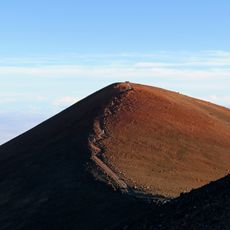
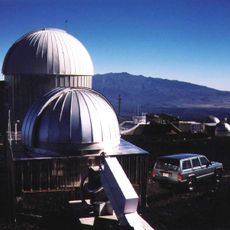
Mauna Loa Observatory is an atmospheric research facility situated on a volcano in Hawaii that monitors air composition from a high-altitude location. The station measures gases such as carbon dioxide and methane in an environment far from cities and industrial pollution.
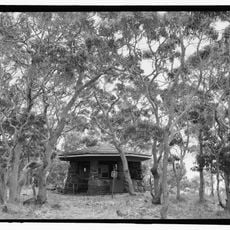
The facility was founded in 1956 and started measuring carbon dioxide levels shortly afterward. These early measurements established the foundation for tracking how Earth's atmosphere has changed over many decades.
The station's name is tied to the Keeling Curve, the record begun by Charles David Keeling in March 1958. In 2015 the observatory logged a daily carbon dioxide reading of 400 parts per million, a figure Pope Francis cited in his apostolic exhortation Laudate Deum on the climate crisis.
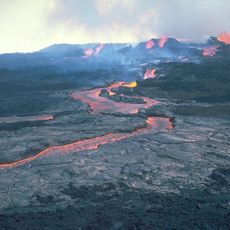
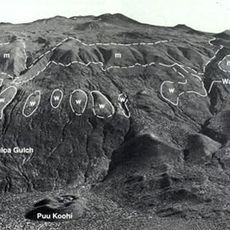
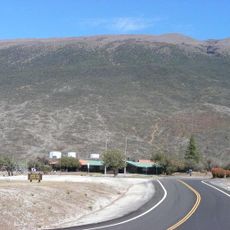
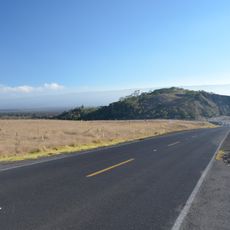
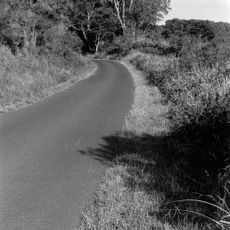
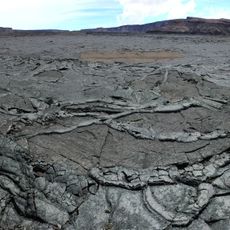
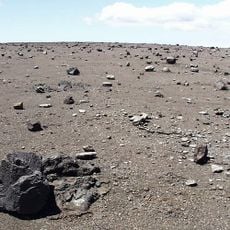
The observatory sits at the end of the Mauna Loa Observatory Access Road, and NOAA controls the gate. Lava from the 2022 eruption buried parts of the road and damaged the power lines, so check access before setting out. The trailhead for the summit route, managed by Hawaiʻi Volcanoes National Park, lies below the site.
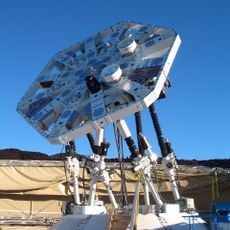
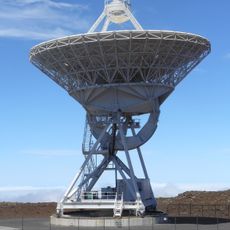
The 400 ppm daily CO2 reading recorded here in 2015 was cited by Pope Francis in his apostolic exhortation Laudate Deum. The site also hosts the Mauna Loa Solar Observatory, a Global Oscillations Network Group station and the Yuan-Tseh Lee Array, a cosmic microwave background observatory.
The community of curious travelers
AroundUs brings together thousands of curated places, local tips, and hidden gems, enriched daily by 93,952 contributors worldwide.