S:t Olofsholm, Nature reserve in Hellvi, Sweden
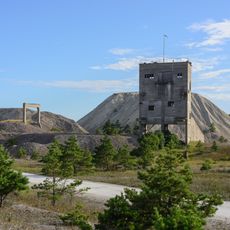
S:t Olofsholm is a nature reserve on the eastern part of a peninsula of the same name in Hellvi parish, northeastern Gotland. The 11-hectare reserve covers most of the hill south of the old harbour. Parts of a church built to commemorate Olof Haraldson's landing are incorporated into a warehouse that still stands.
According to the Gutasaga, the Norwegian king Olof Haraldson (Olav the Holy) landed at S:t Olofsholm, then called Akergarn, in 1029 on a journey to Russia and Christianised Gotland. A church was built to commemorate this landing; parts of it are incorporated into a warehouse that still stands. In the early 1600s the Gullandske Compagnie, owned by the Danish king, built Gotland's first large lime kiln here; lime burning continued intermittently until 1860. From 1901 to 1953 block stone was quarried and shipped from a harbour on the peninsula.
The name Akergarn was used for the site before it became Sankt Olofsholm, referring to the landing by Olof Haraldson described in the Gutasaga. A church was later built to mark that landing, and parts of it are incorporated into a warehouse that still stands. The peninsula also preserves traces of lime burning that began in the early 1600s.
The 11-hectare reserve covers most of the hill south of the old harbour on the eastern part of the peninsula, in Hellvi parish. Access is on foot; the terrain is limestone ground with remains of quarrying and kiln activity, so watch your footing near old workings.
Gotland's first large lime kiln was built here in the early 1600s by the Gullandske Compagnie, owned by the Danish king. Lime burning continued with interruptions until 1860, and from 1901 to 1953 block stone was quarried for shipping from a harbour on the peninsula.
The community of curious travelers
AroundUs brings together thousands of curated places, local tips, and hidden gems, enriched daily by 94,408 contributors worldwide.