Birka and Hovgården, Archaeological site in Ekerö, Sweden
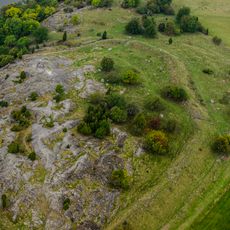
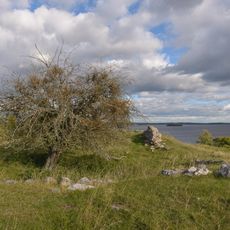
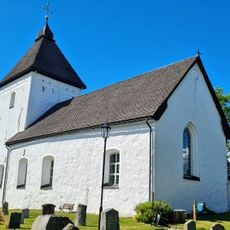
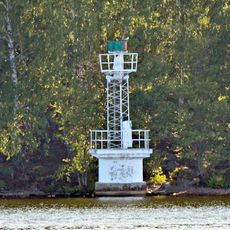
Birka and Hovgården spread across two islands in Lake Mälaren and contain burial grounds, building foundations, and harbor structures from the Viking era. The site reveals the layout of a medieval trading settlement with distinct areas for living, commerce, and ritual practices.
Birka was founded in the mid-8th century, when Lake Mälaren was still a bay of the Baltic Sea about five metres higher than today. It grew into Sweden's main trading centre, with 700 to 1,000 inhabitants at its peak, until it was abruptly abandoned around 970, its role passing to Sigtuna. Hovgården, the royal estate facing it on Adelsö, kept its status; a royal palace built there in the 1270s was destroyed at the end of the 14th century.
The graves here reflect how Vikings organized their community and marked differences in status through burial practices. Walking through the site, you notice how artifacts were carefully placed with the dead, showing what mattered to these people.
Boat services from Stockholm provide the main access to the islands, with regular departures during the warmer months. Guided tours help visitors interpret the scattered remains and explore the uneven terrain safely.
The name Birka appears in the Vita Anskarii by Rimbert, the only contemporary written source on the town, as the Latin Birca. Scholars still debate whether it Latinises Björkö, "birch island", or comes from the Birk trading status. Since the 18th century some placed Birka in Västergötland, Östergötland or Åland; excavations settled it on Björkö.
The community of curious travelers
AroundUs brings together thousands of curated places, local tips, and hidden gems, enriched daily by 93,804 contributors worldwide.