Tulse Hill, Residential district in South London, England
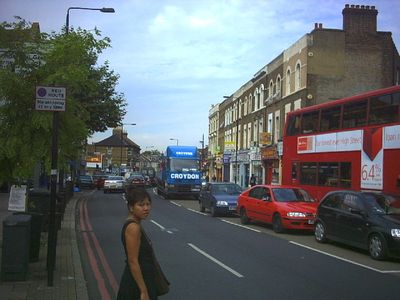
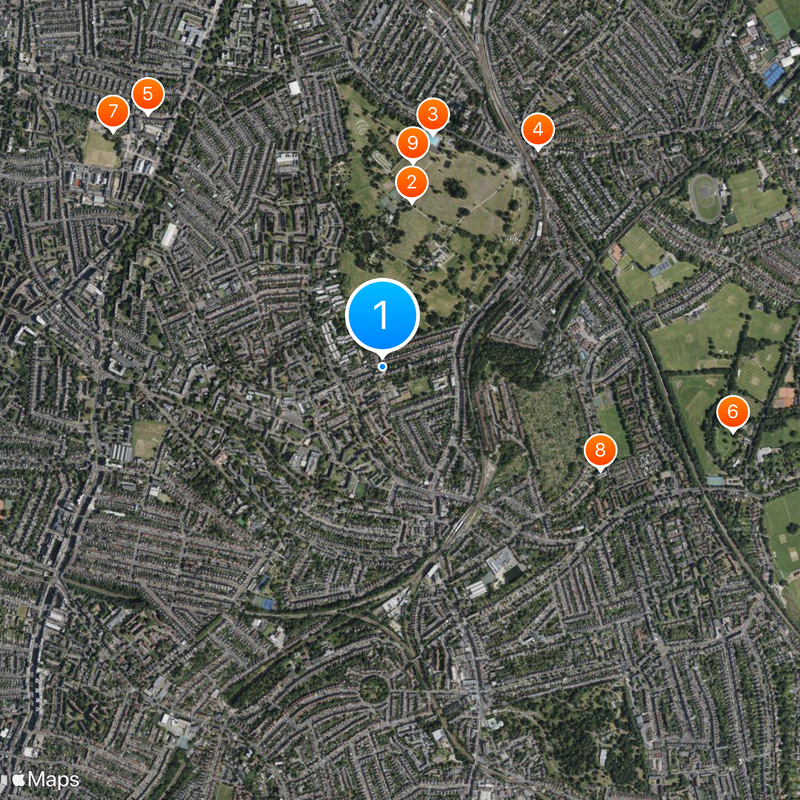
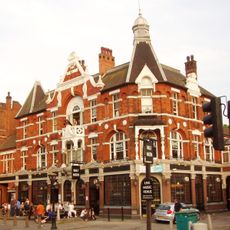
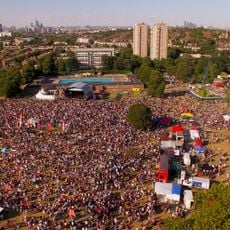
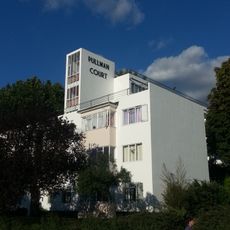
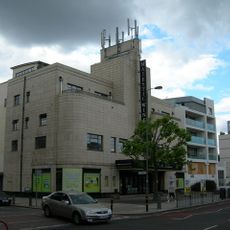
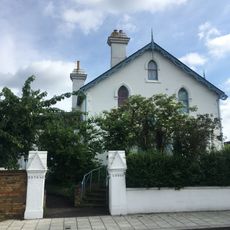
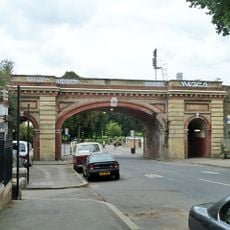
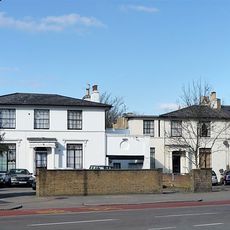
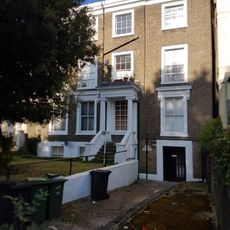
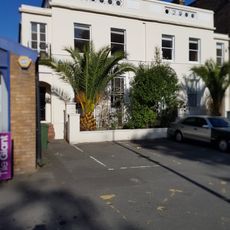
Tulse Hill is a residential area on a hillside about 5 miles south of central London, featuring Victorian houses alongside modern residential buildings set along the slope. The district blends different building styles and creates a mixed housing environment with tree-lined streets and local shops.
The area takes its name from the Tulse family who owned farmland from 1650 onwards and later became prominent in London's affairs. Development accelerated in the 1800s with the construction of residential housing and the arrival of rail connections.
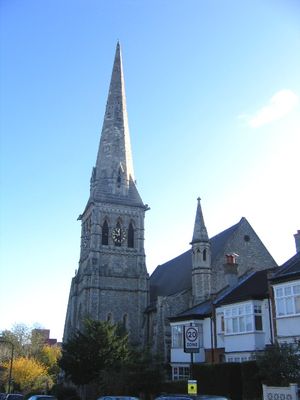
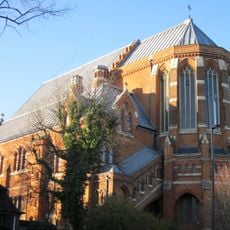
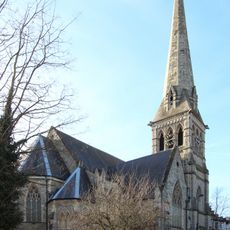
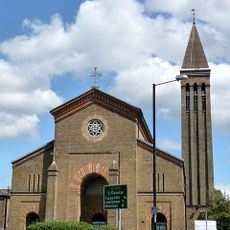
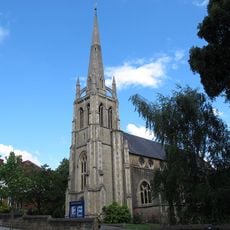
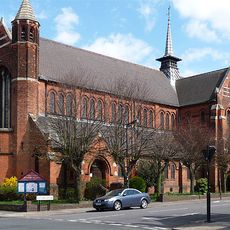
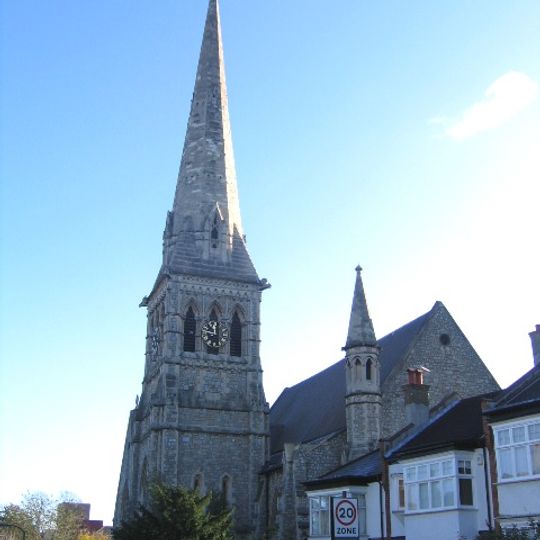
Holy Trinity Church on Trinity Rise defines the neighborhood with its Victorian Gothic design and draws visitors interested in period architecture. The church remains central to community life and reflects the area's long spiritual heritage.
Several bus routes serve the area, and Tulse Hill railway station provides direct connections to the center and other parts of the city. The hillside layout requires good walking shoes if you explore side streets and want to navigate the slopes comfortably.
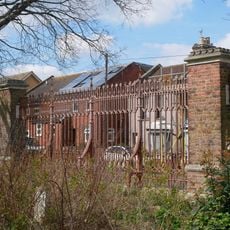
Astronomer William Huggins built a private observatory here in 1856 and conducted groundbreaking research in stellar spectroscopy. His work laid foundations for modern astrophysics and attracted scientists from around the world.
The community of curious travelers
AroundUs brings together thousands of curated places, local tips, and hidden gems, enriched daily by 60,000 contributors worldwide.