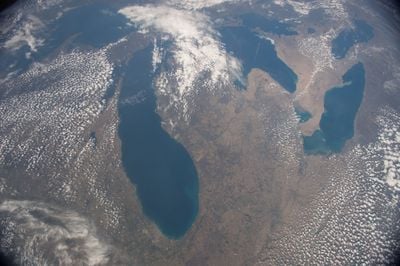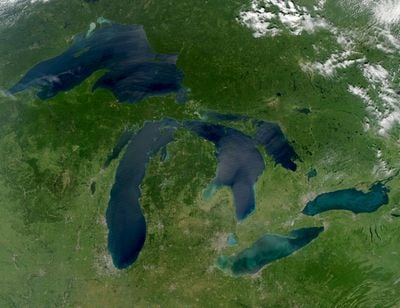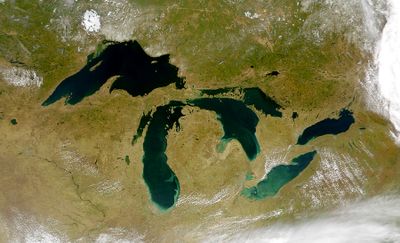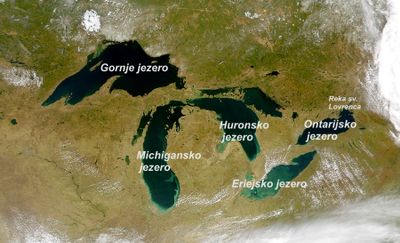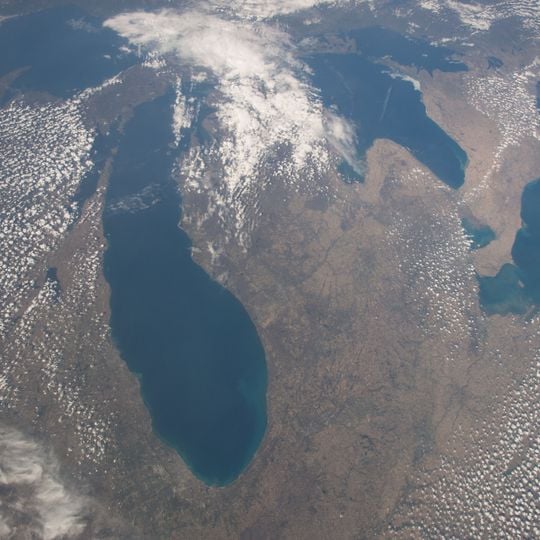
Great Lakes, Freshwater lakes between Ontario, Canada and Michigan, United States
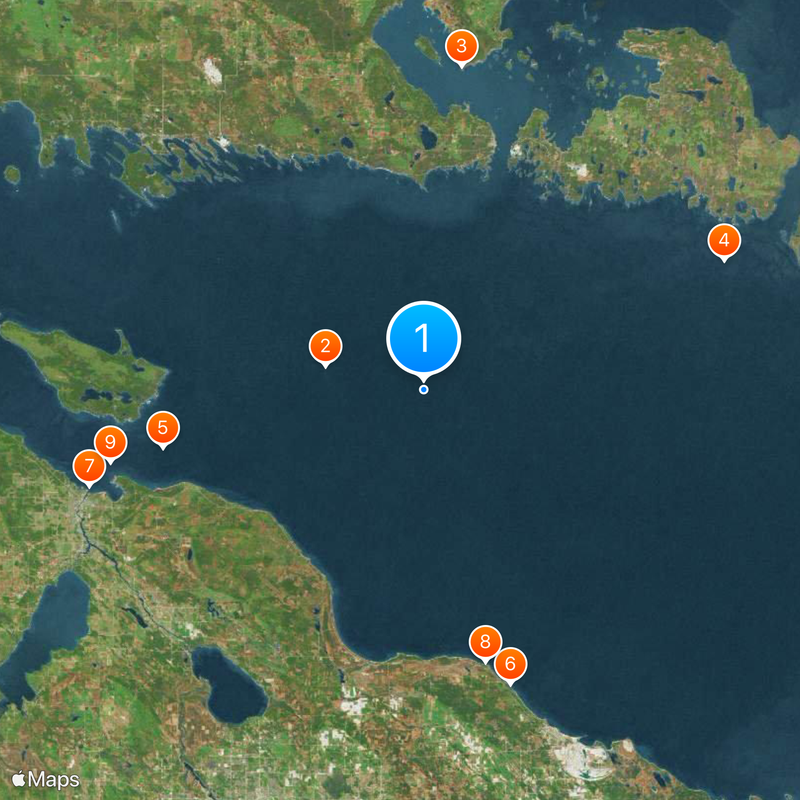
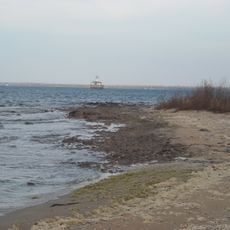
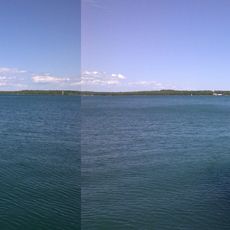
The Great Lakes are five connected bodies of water between Canada and the United States: Superior, Michigan, Huron, Erie, and Ontario, forming the largest freshwater system on the planet. Their shoreline stretches for 17,000 km (10,500 miles) and includes sandy beaches, rocky cliffs, wetlands, and hundreds of bays where vessels seek shelter.
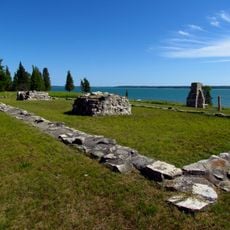
Glaciers carved deep basins 14,000 years ago, which filled with meltwater and created the current lake system. European explorers reached the region in the 17th century and established trade routes that relied on indigenous waterways.
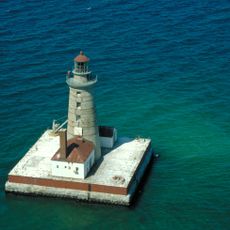
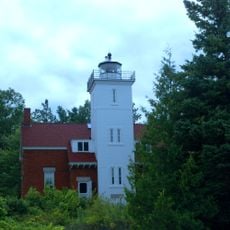
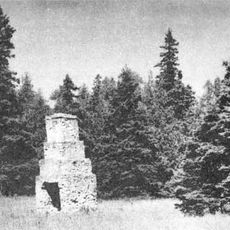
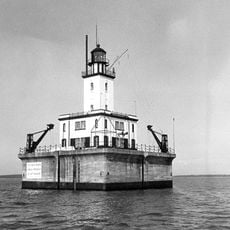
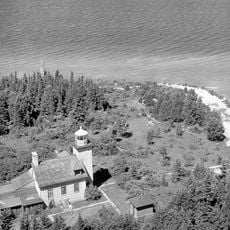
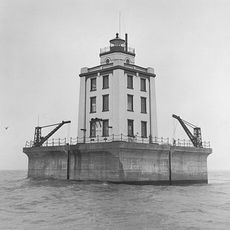
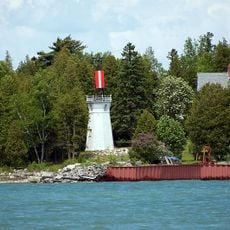
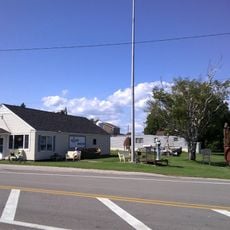
Lakeside towns across all five shores host fish fries and waterfront festivals that reflect local maritime customs, and boatyards still build cargo vessels using traditional engineering. Communities gather at beaches and docks to swim, fish, and launch boats, while lighthouses along the coastline tell stories of past sailors through guided tours and museum displays.
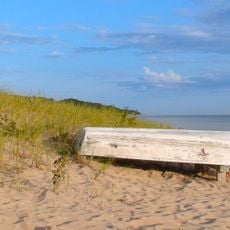
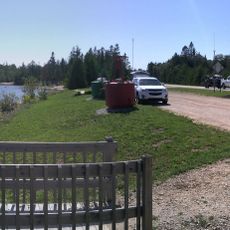
Visitors find public beaches, hiking paths, and boat launches along the entire coastline, and many parks offer campsites with views over the water. Ferries connect islands to the mainland, and water conditions change quickly, so check weather forecasts before heading out on boats.
A water drop entering Lake Superior takes roughly 200 years to travel through all five lakes and reach the Atlantic Ocean through the Saint Lawrence River. Shipwrecks from the 19th century still rest on the cold lake floors, preserved so well that divers can identify wooden planks and cargo.
The community of curious travelers
AroundUs brings together thousands of curated places, local tips, and hidden gems, enriched daily by 60,000 contributors worldwide.