Buffalo-Niagara Falls metropolitan area, Metropolitan statistical area in Western New York, United States.
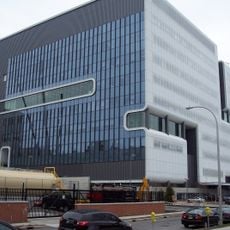
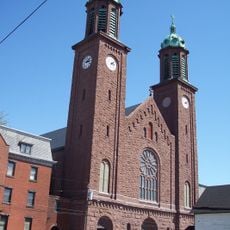
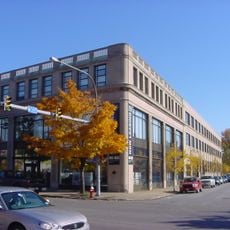
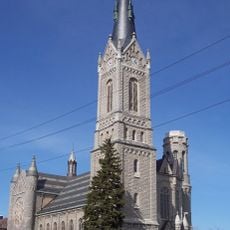
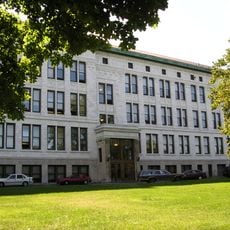
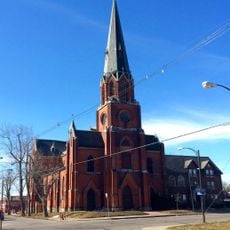
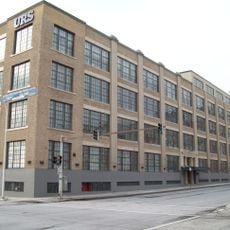
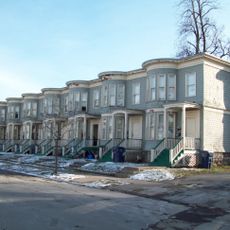
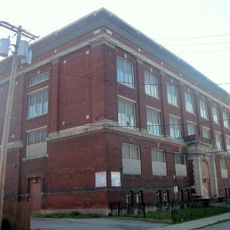
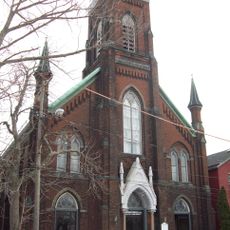
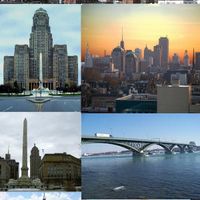
The Buffalo-Niagara Falls metropolitan area spans Erie and Niagara Counties in western New York, combining cities, suburbs, and natural landscapes along Lake Erie and the Niagara River. The region transitions from densely developed urban cores to suburban communities and waterfront areas.
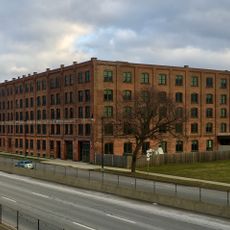
The region emerged as a transportation hub in the 1800s when the Erie Canal made Buffalo a major port for grain trade, fundamentally shaping its economic growth. This canal connection transformed the area from a trading post into an industrial center for decades.
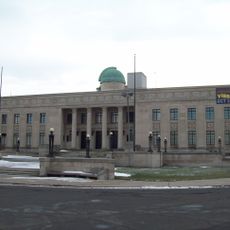
The region hosts art museums and performance venues that shape local creative life, with the Albright-Knox Art Gallery serving as a major center for exhibitions and theater productions. These institutions attract visitors and residents who participate in the region's ongoing artistic activities.
The region is accessible through two international airports and a network of highways that connect communities across both counties. Local public transit systems help visitors navigate between areas using buses and other transportation options.
The region holds North America's largest collection of grain elevators, many of which remain from the era when Great Lakes shipping dominated the landscape. These distinctive industrial structures still define the visual character of waterfront areas.
The community of curious travelers
AroundUs brings together thousands of curated places, local tips, and hidden gems, enriched daily by 91,129 contributors worldwide.