New York, U.S. state in northeastern United States
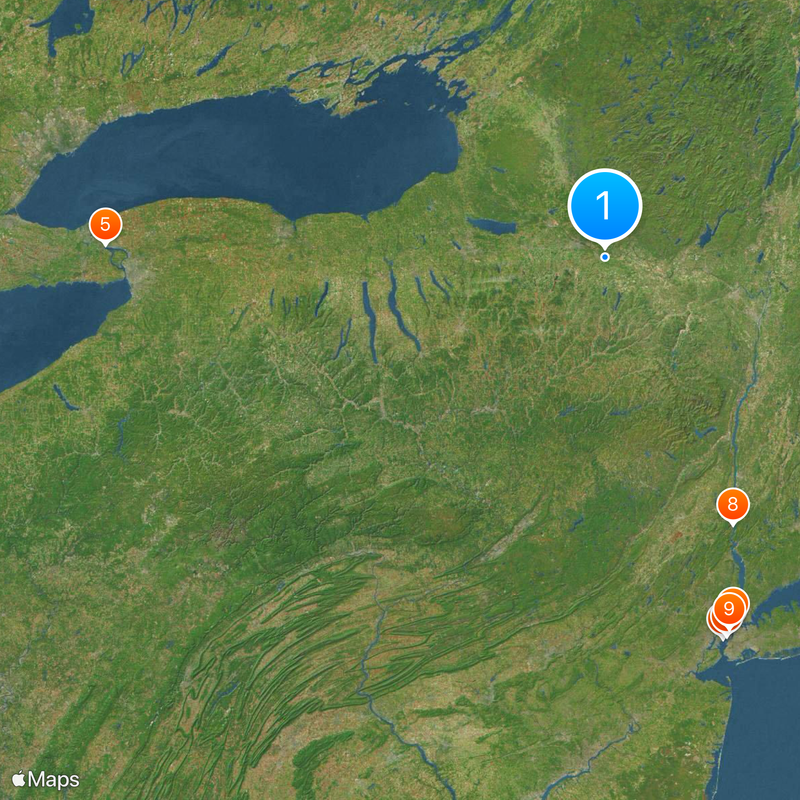
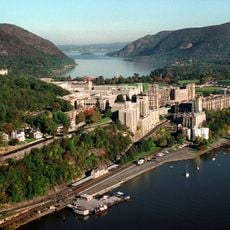
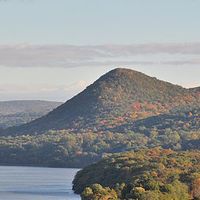
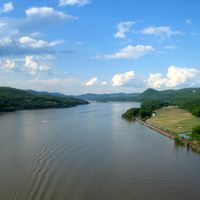
This administrative territory spans from the Atlantic coast to the Great Lakes, encompassing 62 counties across 54,555 square miles (141,300 square kilometers). The landscape ranges from coastal plains to the Hudson Valley, the Adirondack and Catskill Mountains, while waterways including the Erie Canal form important geographic features throughout the region.
Following Dutch colonization in 1624 and British takeover in 1664, the territory became the eleventh federal state in 1788. Completion of the Erie Canal in 1825 transformed the region into a commercial hub. Nineteenth-century industrialization and waves of immigration shaped economic and demographic development that continues to influence the area today.
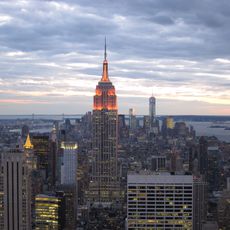
With over 19 million residents, the state represents diverse cultural communities that shape its art, music, and culinary scene. Broadway theaters, renowned museums, and cultural festivals draw visitors worldwide, while ethnic neighborhoods preserve the multicultural heritage that defines daily life across urban and rural areas.
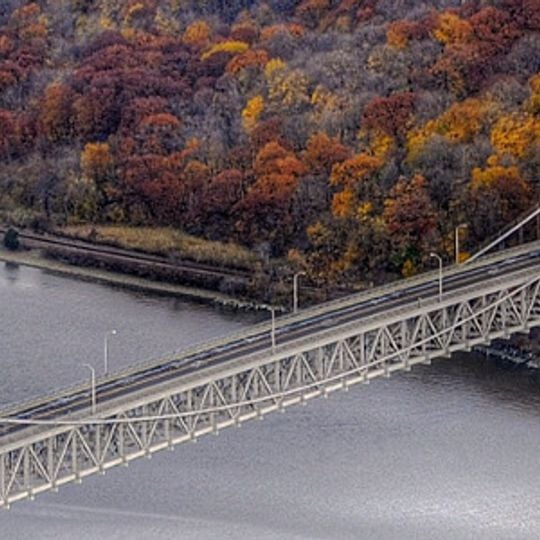
International airports in several cities provide worldwide connections, while Amtrak trains and interstate highways enable access to all regions. Fall displays foliage colors, winter suits mountain sports, summer favors lake visits. Visitor centers in metropolitan and rural areas supply information and maps for travelers exploring different counties and natural areas.
The Finger Lakes region contains eleven elongated bodies of water formed by glaciers during the last ice age, now surrounded by over 100 wineries. The area produces Riesling and other varietals that benefit from cool climate conditions and mineral-rich soils deposited by ancient glacial activity.
The community of curious travelers
AroundUs brings together thousands of curated places, local tips, and hidden gems, enriched daily by 90,792 contributors worldwide.