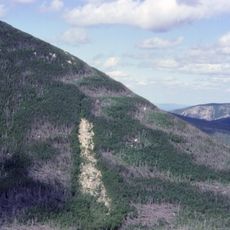
Chesuncook Lake, reservoir in Piscataquis County, Maine, United States
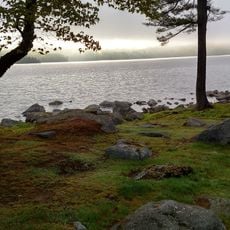
Chesuncook Lake is a large reservoir in Maine created by dam construction, stretching across a wide area with an irregular shoreline featuring many bays and points. The water reaches depths over 150 feet (46 meters) in some areas, while shallower sections near the shore provide calmer water for various activities.
The lake formed through dam construction in 1835, 1903, and 1916, with the Ripogenus Dam expansion in 1916 covering nearby lakes and ponds. The area held importance in the fur trade and logging industry, with a settlement established in 1849 and a lodge built in 1864 that continues welcoming guests today.
The name Chesuncook comes from indigenous language and means 'goose place', referring to the calls of Canada geese that echo across the water. Today, the lake serves as a gathering place where visitors and locals connect with the natural world in a shared tradition of fishing and boating.
Visitors can explore the water using boats, kayaks, or canoes through basic boat ramps available at access points around the lake. The protected natural surroundings mean most visits center on the water or simple shoreline stops, with minimal development affecting the experience.
Writer Henry David Thoreau visited in 1853 and documented his experience, yet noted surprisingly that no geese were present during his visit despite the lake's name referring to those birds. The lake is also part of the Northern Forest Canoe Trail, a popular paddling route that draws canoeists through Maine's wilderness.
The community of curious travelers
AroundUs brings together thousands of curated places, local tips, and hidden gems, enriched daily by 90,886 contributors worldwide.