Patuxet tribe, Native American settlement in Plymouth County, United States.
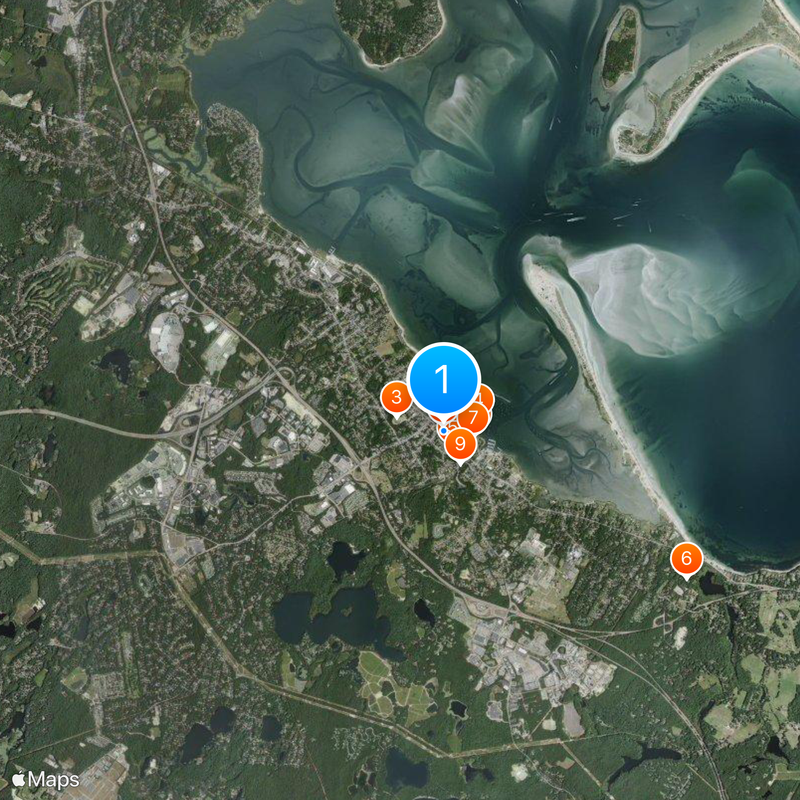
The Patuxet were a people who inhabited the coastal areas of present-day Plymouth, Massachusetts, establishing settlements near rivers and the Atlantic Ocean. Their locations provided access to fishing grounds and farmable land for agriculture.
Between 1614 and 1620, epidemics swept through southeastern New England and devastated the Patuxet population almost completely. These diseases killed most of the people before European colonists arrived in significant numbers.
The Patuxet were part of the Wampanoag confederation and used the land seasonally, with winter camps inland among forests and stays along the coast during warmer months. Their way of life followed the rhythm of available resources and natural cycles.
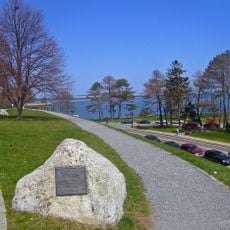
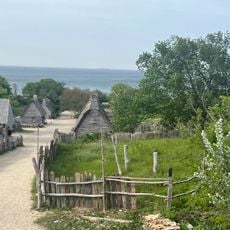
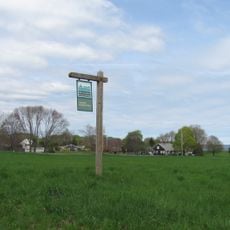
The Patuxet territory included cleared and cultivated lands that later became the foundation for Plymouth Colony's agricultural development. Visitors can see the landscape and geographical features that supported both native settlements and later colonial farming.
Tisquantum, one of the last surviving Patuxet, taught English settlers essential farming methods including cultivation of corn, beans, and squash. His ability to bridge two cultures made him crucial to early encounters between native and colonial peoples.
The community of curious travelers
AroundUs brings together thousands of curated places, local tips, and hidden gems, enriched daily by 90,858 contributors worldwide.