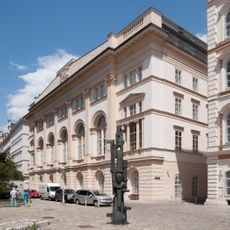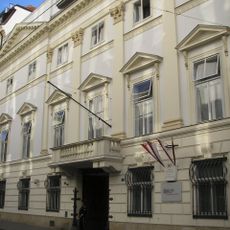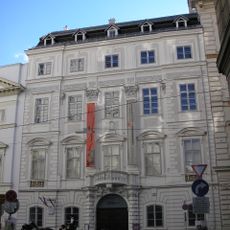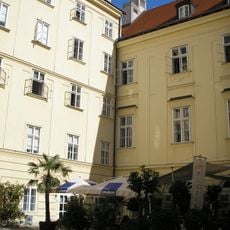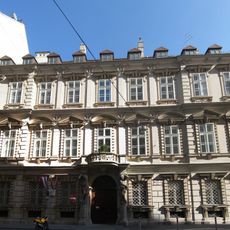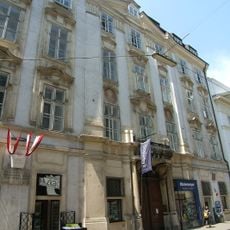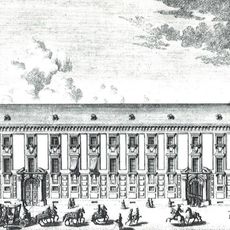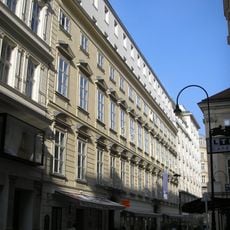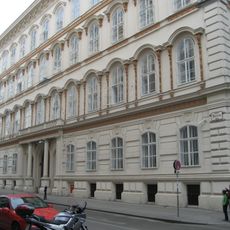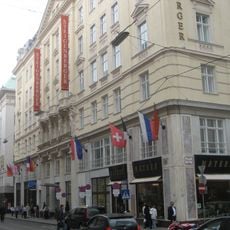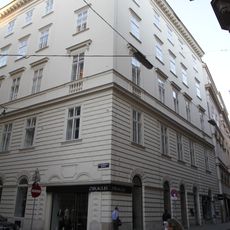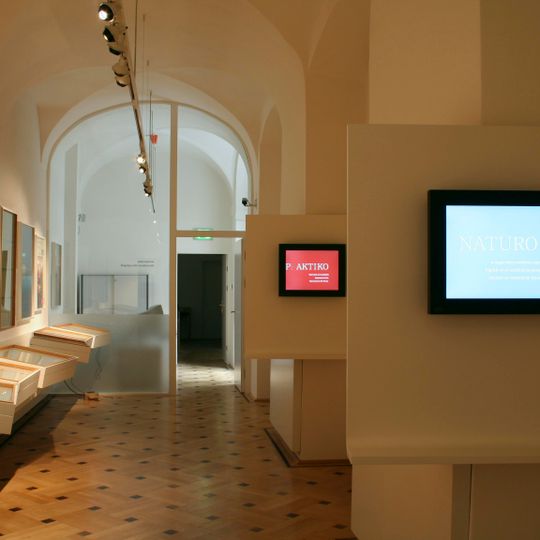
Esperanto Museum and Collection of Planned Languages, Language museum in Palais Mollard, Vienna, Austria
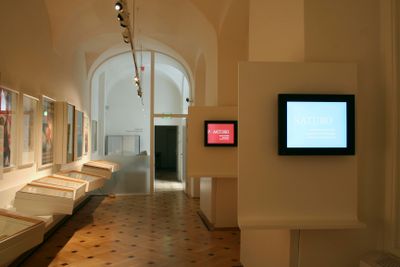
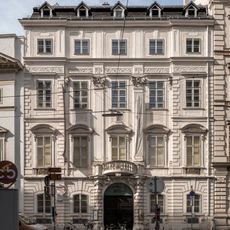
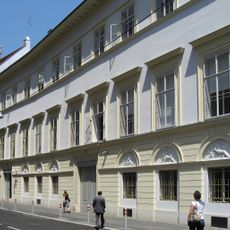
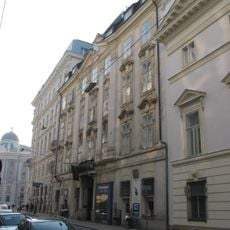
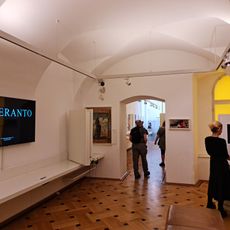
The Esperanto Museum and Collection of Planned Languages is located in Palais Mollard and features multiple rooms with exhibits about constructed languages and communication systems. The displays include historical posters, archival documents, and interactive stations where visitors can explore various language projects.
The museum was founded in 1927 by Hugo Steiner to document constructed languages and their development over time. The collection was shut down during World War II but survived and was later reopened to the public after the war.
The collection shows how Esperanto arose as a way to help people communicate across language boundaries, an idea born during the multilingual Habsburg period. Visitors can observe how this movement attracted followers throughout Europe and continues to have supporters today.
Audio guides are available in German, English, and Esperanto to help visitors understand the exhibits better. Interactive stations allow guests to experiment with different languages and learn about how they are structured.
The museum preserves materials from approximately 500 different planned language projects, ranging from early philosophical attempts to modern inventions. This extensive collection shows how many people throughout history have tried to create a universal communication language.
The community of curious travelers
AroundUs brings together thousands of curated places, local tips, and hidden gems, enriched daily by 91,356 contributors worldwide.