Balearic Islands, Mediterranean archipelago in eastern Spain
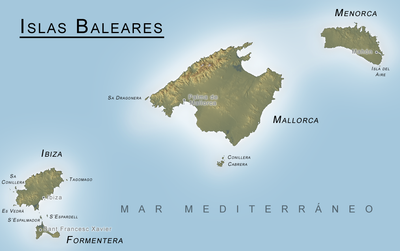
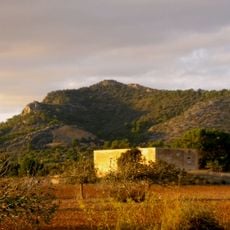
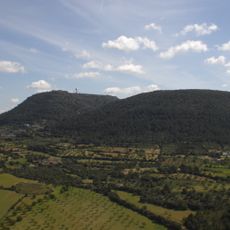
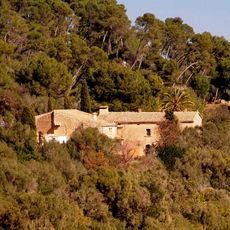
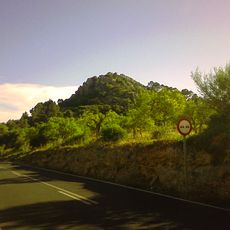
The Balearic Islands form a Mediterranean group off the eastern coast of Spain, about 88 kilometers from the mainland, with Mallorca, Menorca, Ibiza, and Formentera as the main inhabited areas. Each island shows a different landscape, from flat coasts and coves to rolling inland hills and steep cliffs along certain shores.
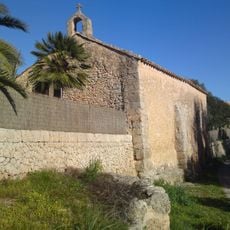
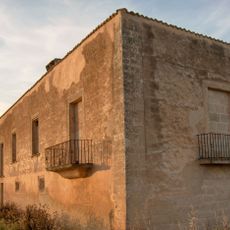
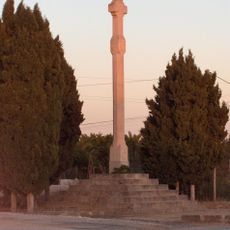
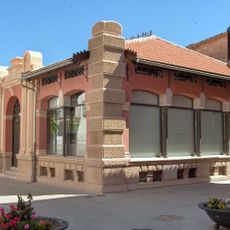
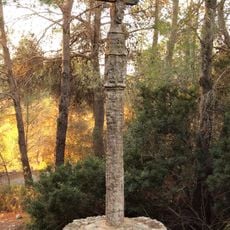
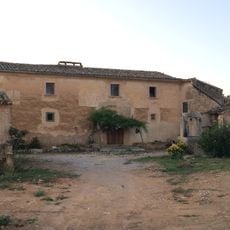
Phoenicians, Greeks, Carthaginians, and Romans governed these islands in turn before the Kingdom of Aragon incorporated them in the 13th century. These shifting powers shaped settlement patterns, language, and architecture still visible today.
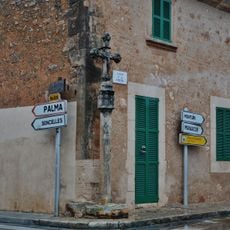
You hear Catalan spoken in cafes and markets alongside Spanish, and many street signs, shop windows, and menus display both languages side by side. Locals use their language naturally in daily conversation, at neighborhood festivals, and in village squares, giving visitors a direct sense of the living bilingual character of the islands.
Three airports on Mallorca, Menorca, and Ibiza link the archipelago to many European cities year round. Ferries run regularly between the islands, making it possible to explore several destinations during a single visit.
Ibiza holds several ancient Phoenician sites, including the ruins of Sa Caleta and the necropolis at Puig des Molins, both recognized by UNESCO. These locations reveal traces of early burial practices and settlement layouts often overlooked by travelers focused on the coast.
The community of curious travelers
AroundUs brings together thousands of curated places, local tips, and hidden gems, enriched daily by 92,039 contributors worldwide.