See the monuments around you in AROpen chests in the app
Around Us is built for your phone — point your camera at the streets and discover the monuments and places around you in augmented reality.Around Us is built for your phone — chests unlock when you walk, explore and capture nearby places.
Balearic Islands: small villages, secret beaches, old chapels
The Balearic Islands offer more than just the popular beaches. This collection shows places that locals visit every day, away from the busy tourist spots. You will find stone villages on the hills, hidden coves with clear water, and markets where the pace of life follows its natural flow.
Each spot on this list gives a different look at the islands. Small fishing ports with colorful boats gently rocking, old village squares shaded by almond trees, and coastal paths winding between the sea and land. These are places where you meet the people who live here, try local food in family-run restaurants, and learn why so many travelers have been drawn here over the years.
Balearic Islands: small villages, secret beaches, old chapels
The Balearic Islands offer more than just the popular beaches. This collection shows places that locals visit every day, away from the busy tourist spots. You will find stone villages on the hills, hidden coves with clear water, and markets where the pace of life follows its natural flow.
Each spot on this list gives a different look at the islands. Small fishing ports with colorful boats gently rocking, old village squares shaded by almond trees, and coastal paths winding between the sea and land. These are places where you meet the people who live here, try local food in family-run restaurants, and learn why so many travelers have been drawn here over the years.
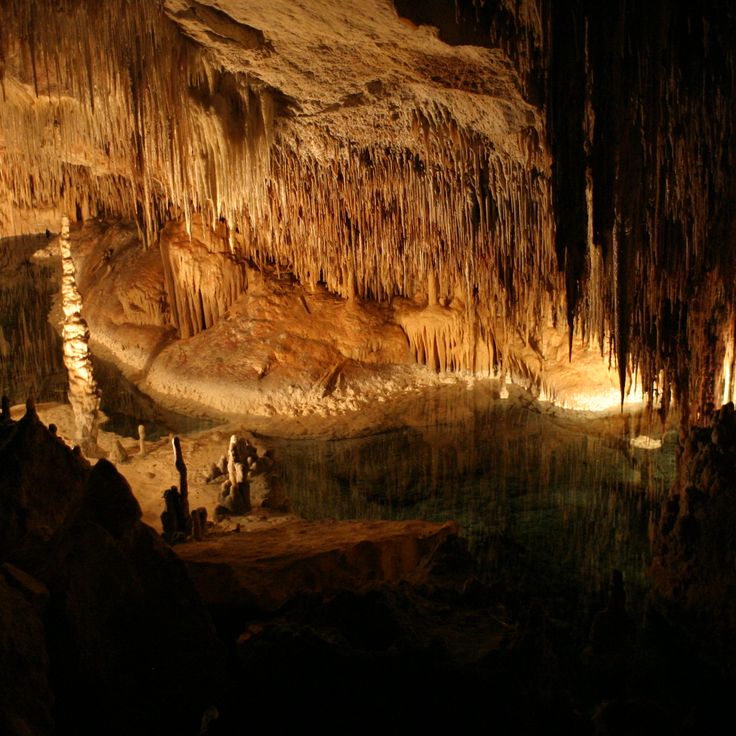
The Drach Caves in Majorca feature an underground network with four distinct chambers containing a subterranean lake and numerous stalactites and stalagmites. This site showcases the geological history of the island and invites visitors to explore these natural formations. The cool caves offer relief from the hot summer days and allow you to experience Majorca's landscape from a completely different perspective.
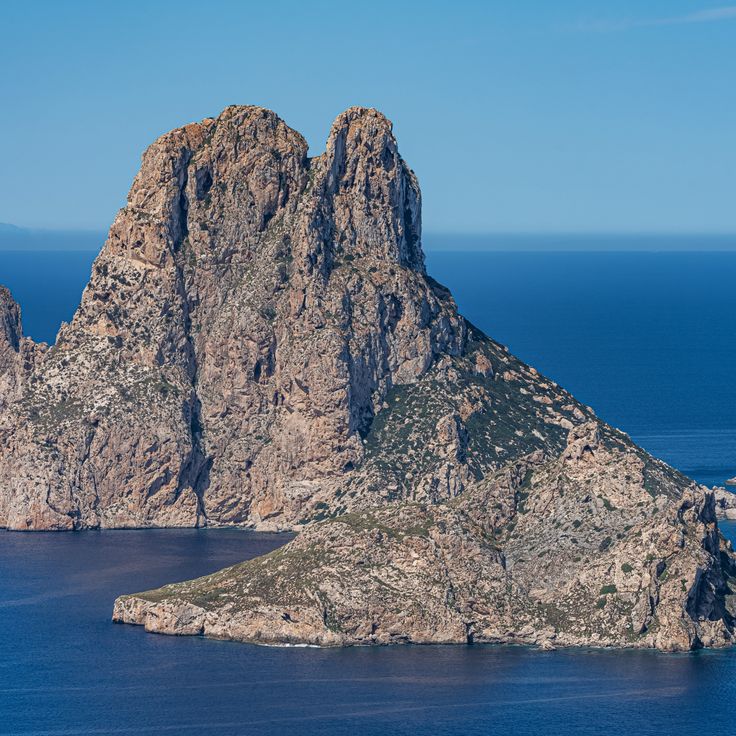
Es Vedrà is an uninhabited limestone island that rises about 380 meters above the sea and is clearly visible from Ibiza. The island draws visitors who want to admire the dramatic rock formation from boats. Local stories and legends surround this place, which stands out from the coast of Ibiza. The island itself is not open to tourists, but the view from the shore or the water shows an impressive natural structure. It is a place many people visit to experience the raw beauty of the Balearic Islands.
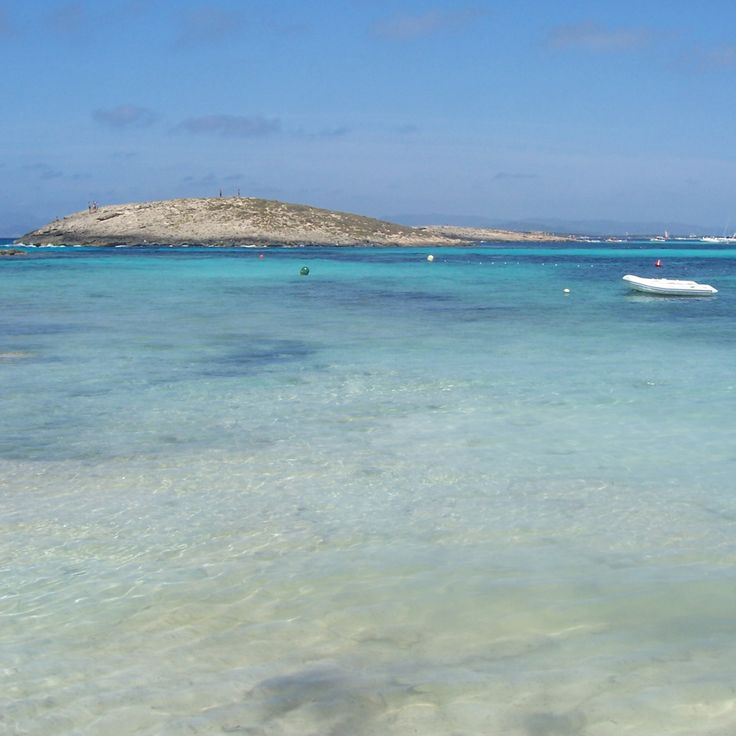
Playa de Illetas on Formentera displays the natural character of this Balearic island. Fine sand curves along the water while pine forests and Mediterranean vegetation with pink pepper trees frame the shore. This beach shows how the islands balance human presence with unspoiled nature. Visitors find themselves in a setting where the rhythm of island life continues at its own pace, removed from the crowded tourist centers.
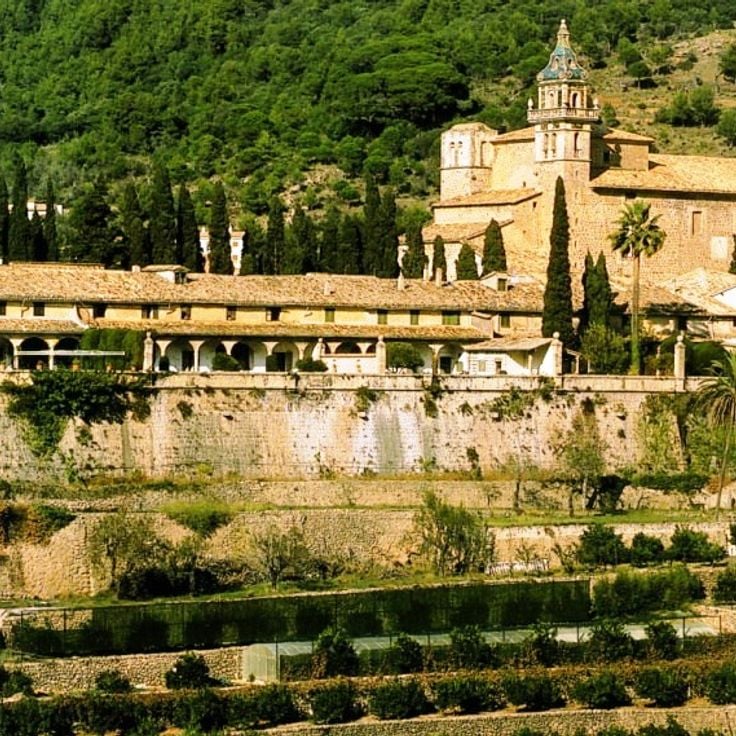
The Valldemossa Monastery stands in the Serra de Tramuntana mountains and dates back to the 14th century. It was home to Carthusian monks who lived according to their spiritual traditions. This place shows how monastic life shaped the region. The rooms and corridors reveal daily routines of prayer and work. The architecture blends with the steep mountain landscape, offering views across valleys and toward the sea. Visiting this monastery reveals how communities once lived in harmony with the demanding terrain.
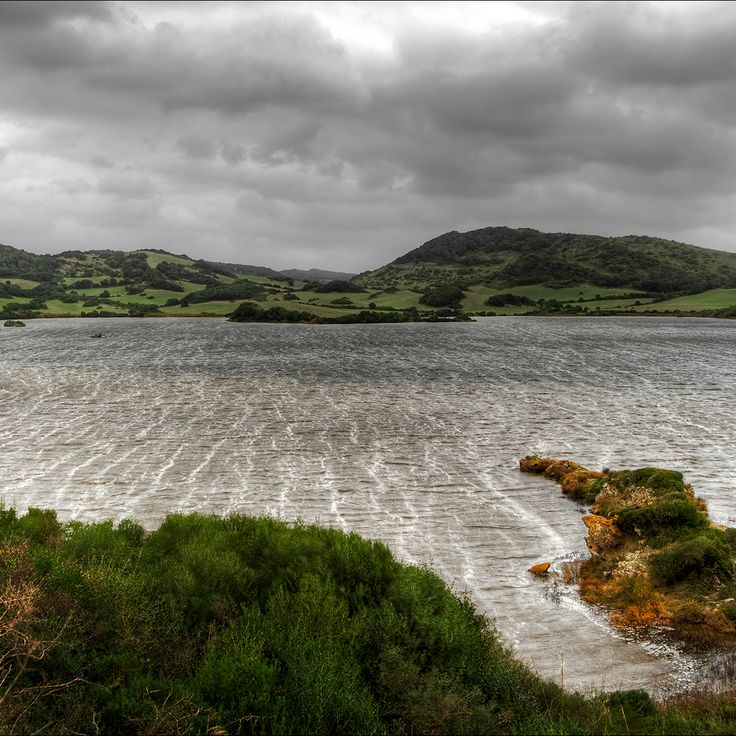
S'Albufera des Grau Natural Park shows you a side of Minorca where nature remains untouched and wild. The salt lagoon is home to many bird species, and the observation tower lets you watch them up close as they move through the water and sky. Walking paths cross through different habitats, from wetlands to drier ground, revealing how much life thrives in this small space. This park feels far removed from the busy tourist beaches, offering a chance to see what the islands looked like before development.
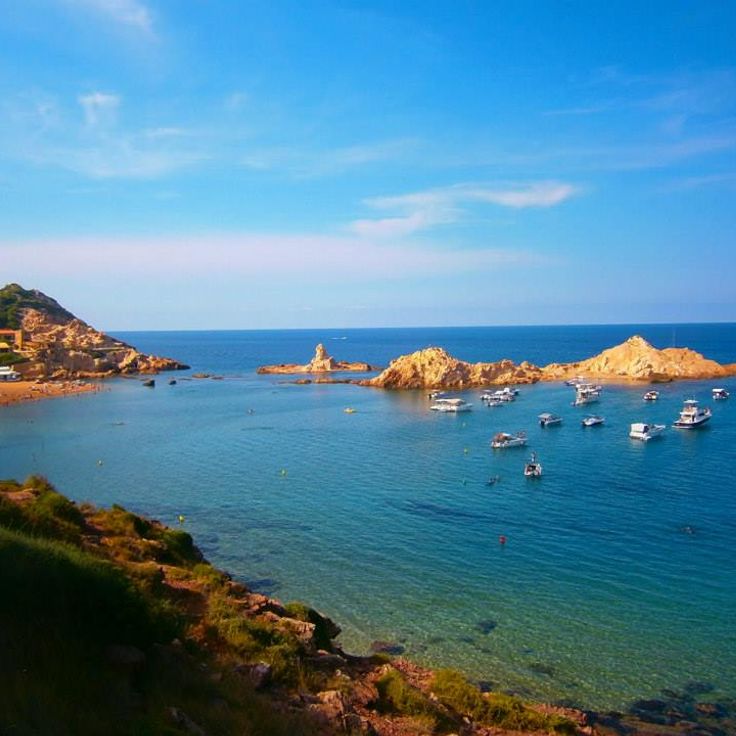
Cala Pregonda is a beach on Menorca with sand in reddish and golden tones, framed by two headlands. The water displays turquoise hues. This place shows what the Balearic Islands look like beyond the well-known beaches. Here you encounter fewer visitors and can experience the natural beauty of the island directly. The beach lies away from major tourism routes and retains the calm character that local people value.
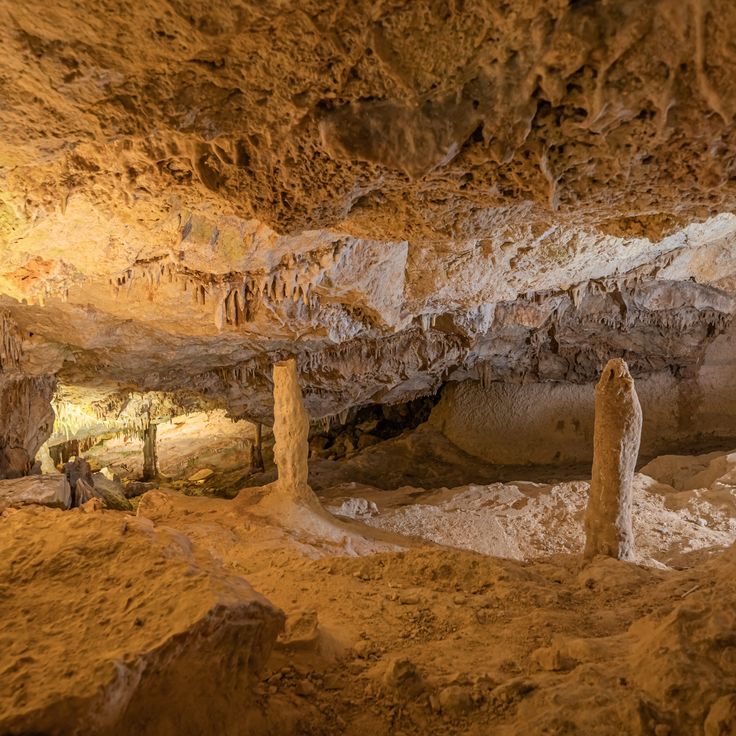
The cave of Sant Miquel is a natural cavern in Mallorca that has held limestone stalactites and stalagmites for thousands of years. This underground landscape shows how nature has slowly transformed stone into remarkable forms over vast stretches of time. Visitors can descend into the depths and explore this hidden world, completely different from the sunny surface of the island. The cave conveys a sense of Mallorca's geological history and offers a cool, peaceful experience away from the surface world.
Esporles sits among olive groves and stone terraces in the Tramuntana mountains. This village displays traditional Majorcan architecture with light-colored stone houses, narrow streets, and a quiet village square. The people here maintain old crafts and farming ways that have been part of the land for generations. The surrounding terraced landscape and clear mountain light show how daily life flows in a small Balearic mountain village.
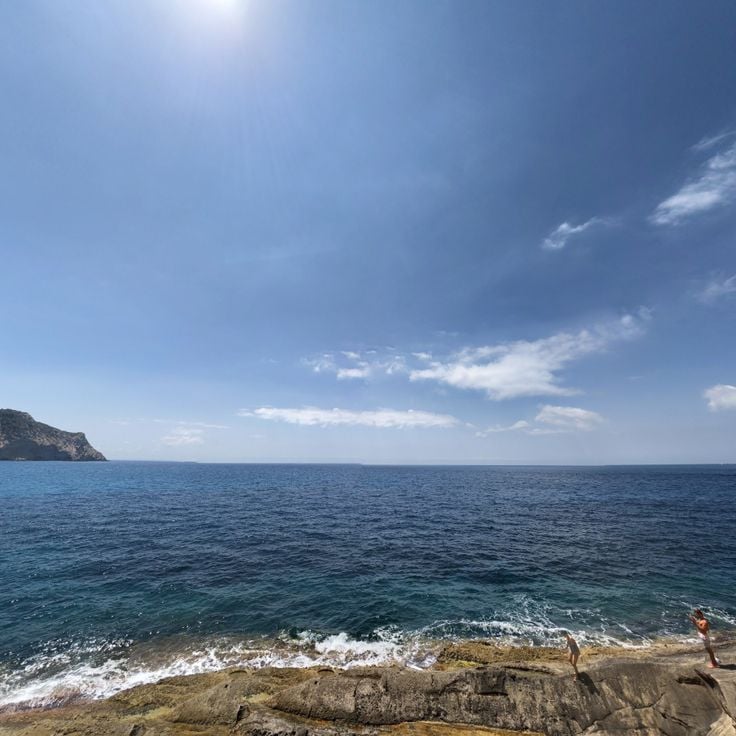
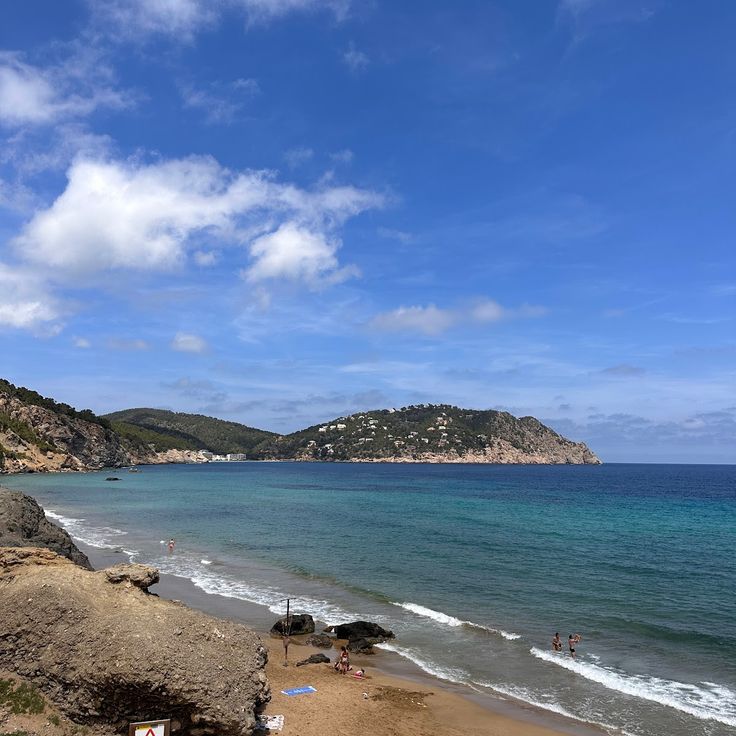
This cove near Ibiza sits between limestone walls and displays different geological patterns. The water reaches a depth of 50 feet (15 meters). This place fits perfectly into the Balearic collection, showing hidden spots away from famous beaches. Here you will find a location that locals know and value, where you can experience the island's natural beauty in its simple form.
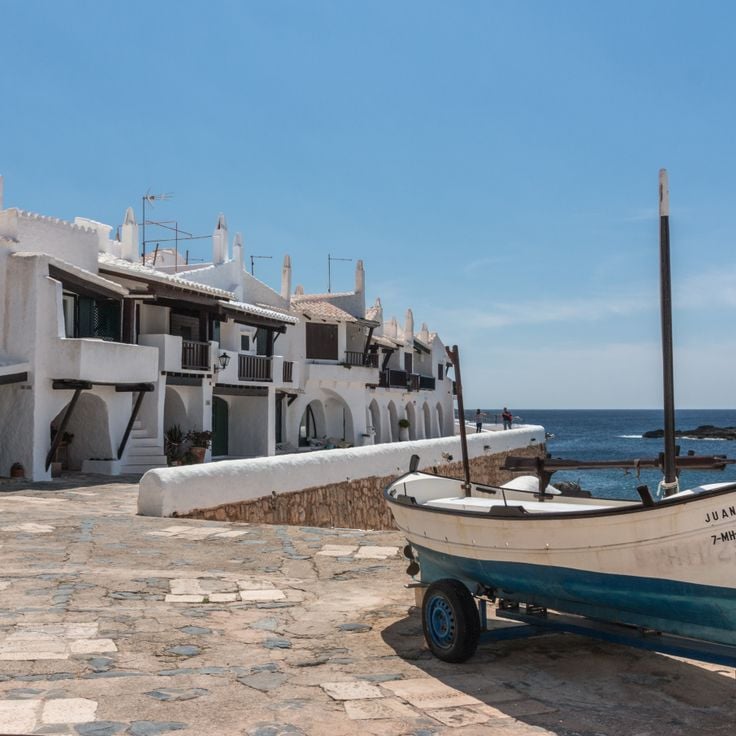
Binibeca Vell is a fishing village on Minorca built in the 1970s. The village has white houses built close together, creating narrow lanes and alleyways. The architecture follows traditional Mediterranean patterns with simple, clean lines. Small squares open up between the buildings, offering places to rest. The harbor sits at the edge of the village where fishing boats are moored. Visitors can see how local people live here and try fresh fish at family-run restaurants along the waterfront.
Els Calderers is a historic estate on Mallorca that shows how the island's farming life developed over time. The house displays original furniture from the 17th century and everyday objects that belonged to agricultural families. Walking through the rooms, you see tools, kitchens, and living spaces that reveal how people worked the land and lived together. The farmyard with its old barns and equipment tells the story of agriculture's importance to the island. Visiting Els Calderers helps you understand the rhythm of daily life that has shaped Mallorca for generations.
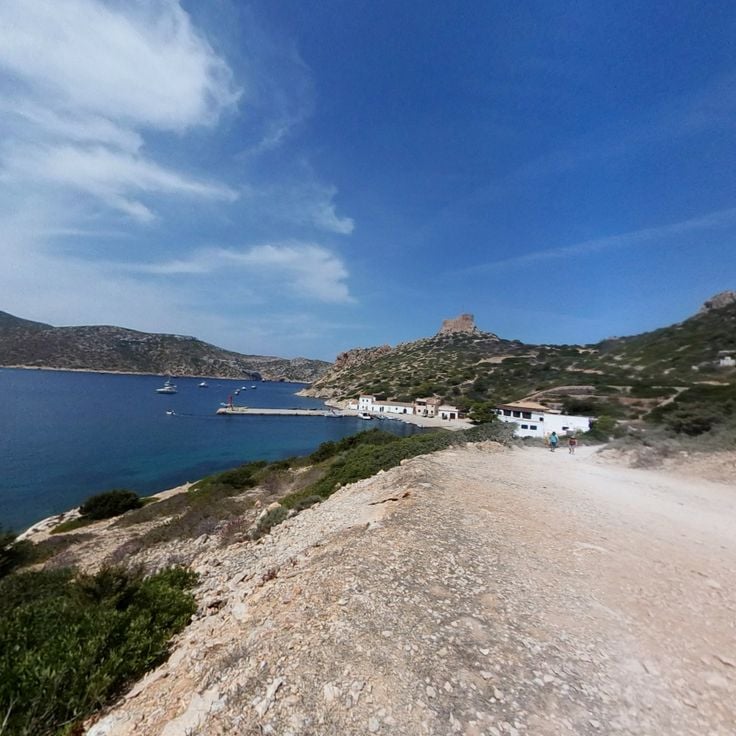
Cabrera Archipelago National Park belongs in this collection because it reveals the natural life of the Balearics far from tourist crowds. The protected area contains 19 islands with plants and animals found nowhere else. Dolphins and sea turtles inhabit the waters here. When you visit, you experience wild nature on its own terms, where the sea and islands follow rhythms unchanged by mass tourism. It is a place that shows what the Balearics were and still are beyond the beaches.
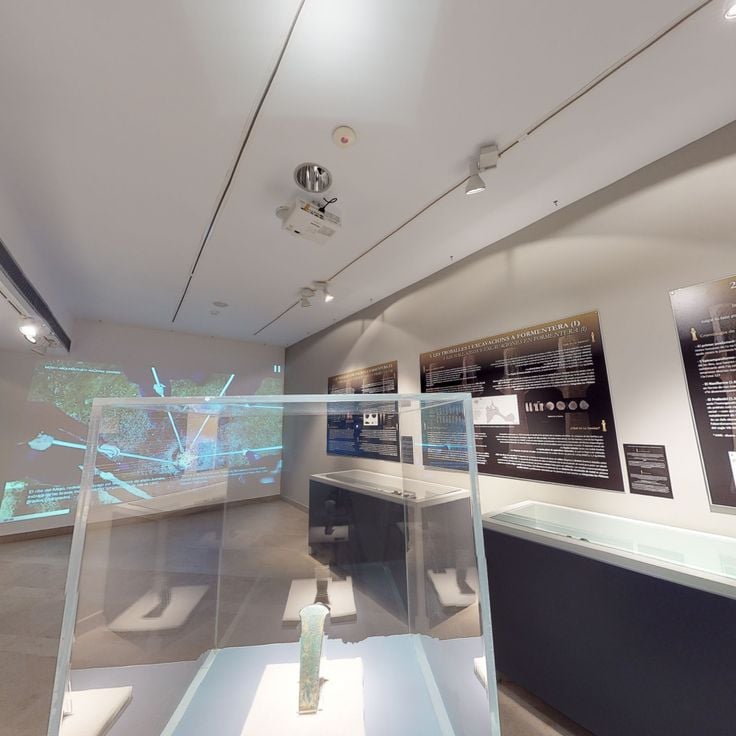
The Puig des Molins necropolis is an ancient Phoenician burial site on Ibiza with thousands of burial chambers carved into the hillside. It shows how people in this place honored their dead thousands of years ago. Walking through the site, you see stone chambers and passages dug into the earth. The attached museum displays pottery, jewelry, and everyday objects found in the graves, offering glimpses into the lives of those who lived here long ago. This location reveals how a civilization practiced its customs and beliefs in one of the Mediterranean's most important burial grounds.
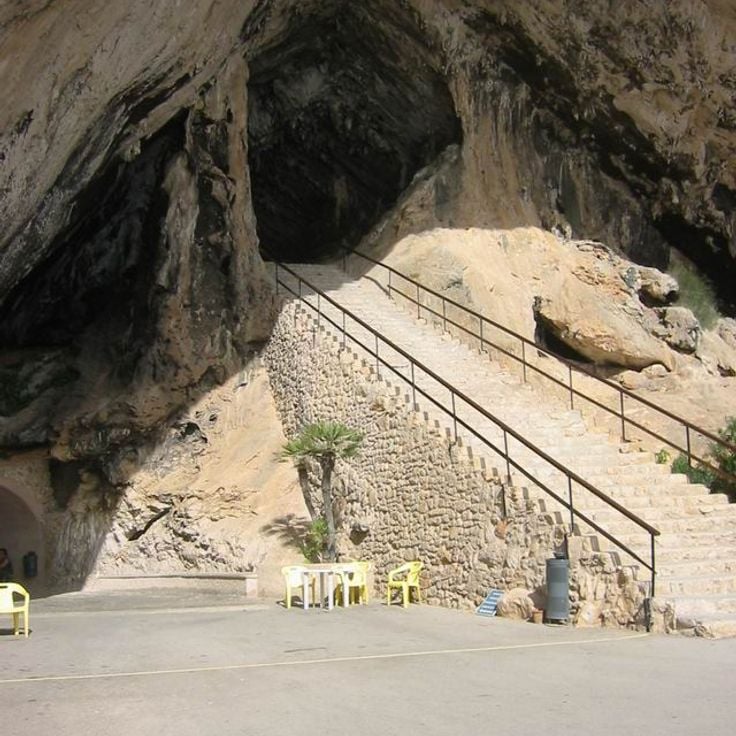
The Artà Caves are natural limestone formations along the eastern coast, stretching across several hundred meters with dramatic stone shapes inside. Walking through them, you see stalactites hanging from above and stalagmites rising from the ground, created over countless years. This location sits away from crowded tourist areas, a place where locals come to experience the raw power of nature. The caves show how water and time have carved deep into the rock. It is a space where you can feel the age of the islands and understand how nature continues to shape these lands.
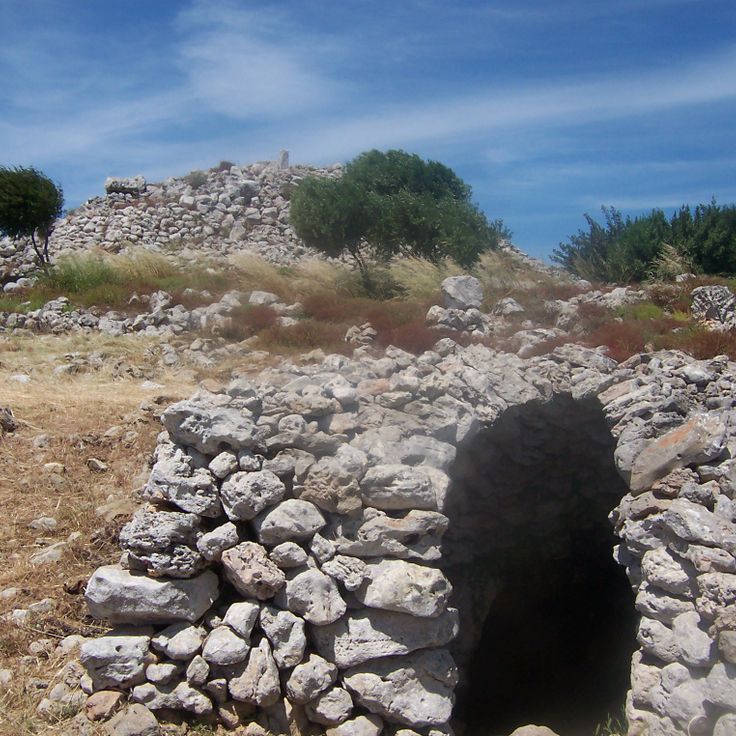
Torre d'en Galmés is a Bronze Age site on Minorca with several stone buildings, caves, and fortified structures from the Talayotic period. This settlement shows how early inhabitants lived and protected themselves. You can still see the old walls and understand how people thousands of years ago built their homes and organized their community.
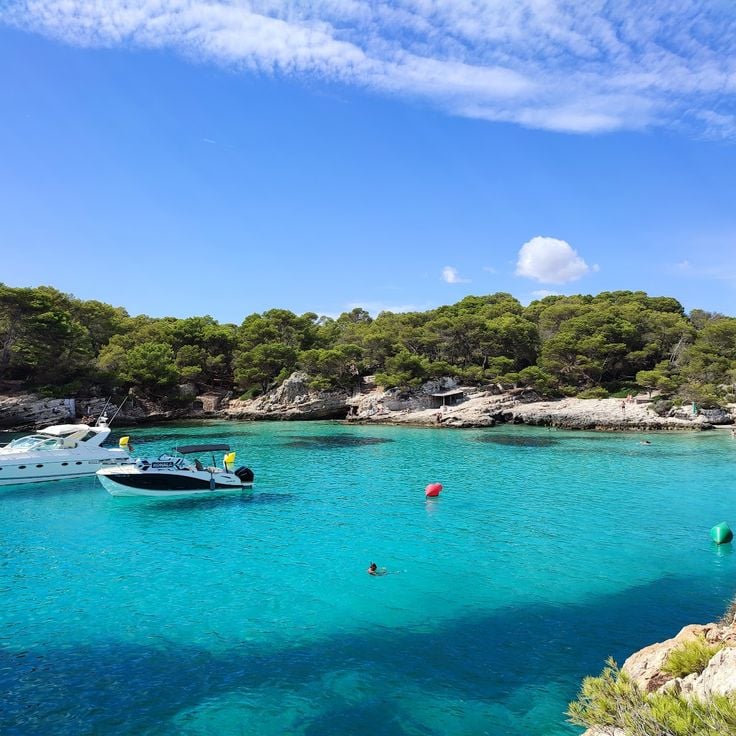
Cala Turqueta is a small beach nestled between pine forests, showing the natural character of the Balearic Islands. The water here is clear and turquoise, and the sand is fine and white. This place is visited by locals who come to escape the crowds. The natural surroundings with trees provide shade and shelter. It is a place where you can experience nature in its original form, as it has been preserved through generations.
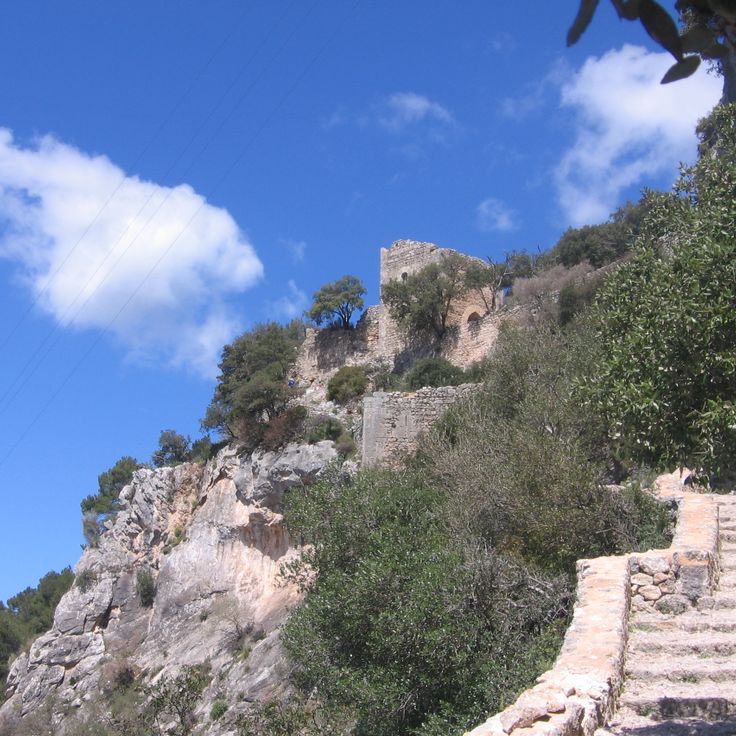
Castle Alaro sits on a peak of the Serra de Tramuntana, offering visitors a wide view across Mallorca's central plain. This medieval fortress shows how island residents once defended their home. The path up winds through pine forests and over rocky trails worn by generations of locals. Reaching the top, you see the entire island spread below - the sea in the distance and small villages nestled in the valleys. On clear days, your gaze stretches all the way to the horizon. The old stone walls tell stories of the past as you walk among them and trace your fingers across their surface.
Las Salinas is far more than a place of salt production. This site shows how people have harvested salt from the sea for thousands of years, since the time of the Phoenicians. When you walk through, you see shallow pools where water shimmers and watch birds circle above the flats. The rhythm of salt-making follows the natural cycle of seasons, and many bird species have made this place a stopping point during migration. Las Salinas reveals an ancient craft that has connected generations of families and shaped the landscape of Ibiza.
The market of Santanyí opens its stalls on Wednesdays and Saturdays, drawing locals who come to buy regional food, textiles, and crafts made by Majorcan artisans. This market shows how the island's communities gather and exchange goods in a rhythm that has continued for generations. Walking through the stands, you encounter the flavors and textures of daily island life, from fresh produce to handmade items that reflect local traditions and skills.
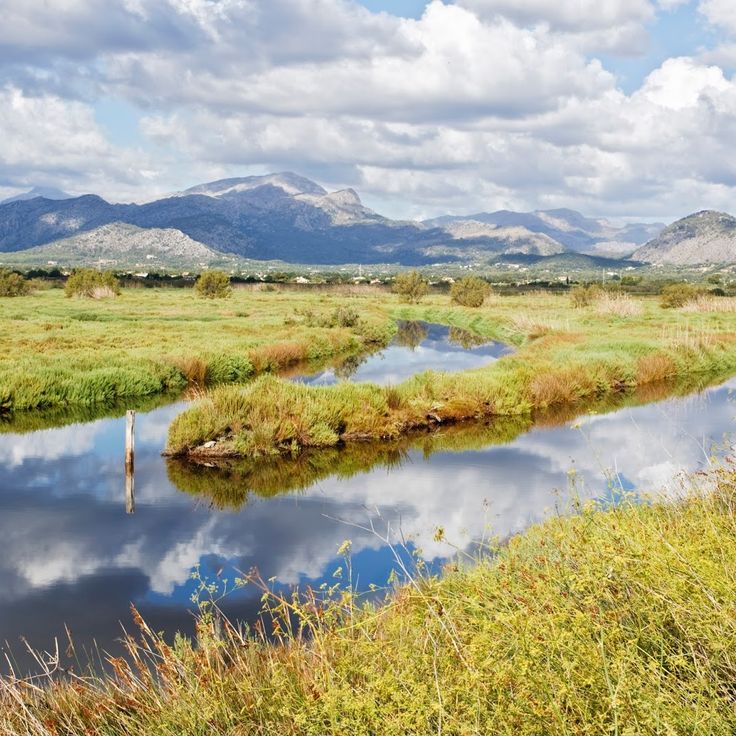
This natural reserve on Majorca is a coastal wetland where you can watch dozens of bird species in their daily life. Marked trails take you through reed beds and salt marshes, letting you hear the sounds of nature and observe how birds move through their habitat. The reserve shows how the landscape works here and why local people have chosen to protect it.
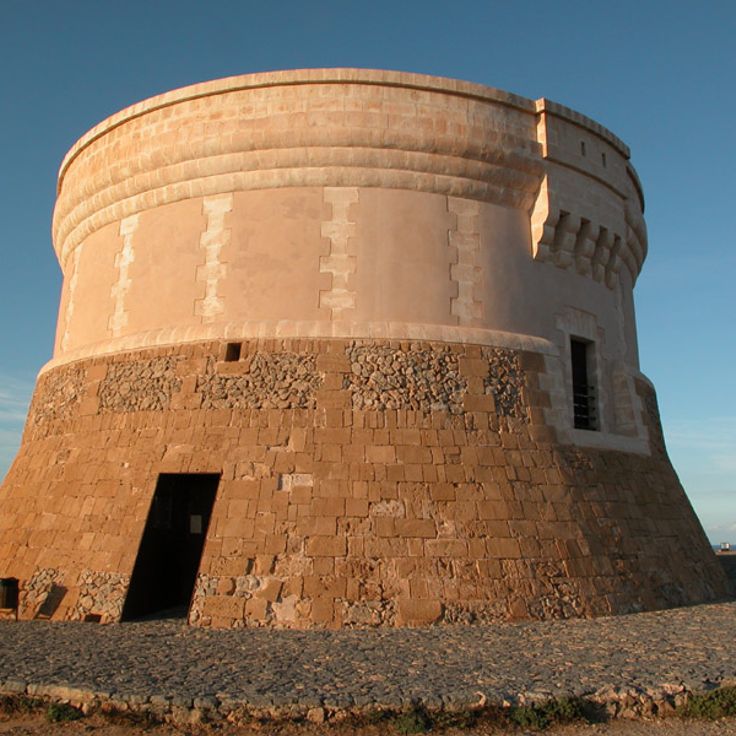
The Fornells Tower is a military fortress from the 19th century standing on Minorca's northern coast. Built by the British, it was designed to watch over ships in the harbor and on the sea. Today this tower shows a piece of history, revealing how the islands were controlled by different powers over the centuries. From the top you can see the Fornells bay, one of the island's most beautiful harbors, where small fishing boats and sailboats anchor. The place tells the story of a time when security and trade were closely linked.
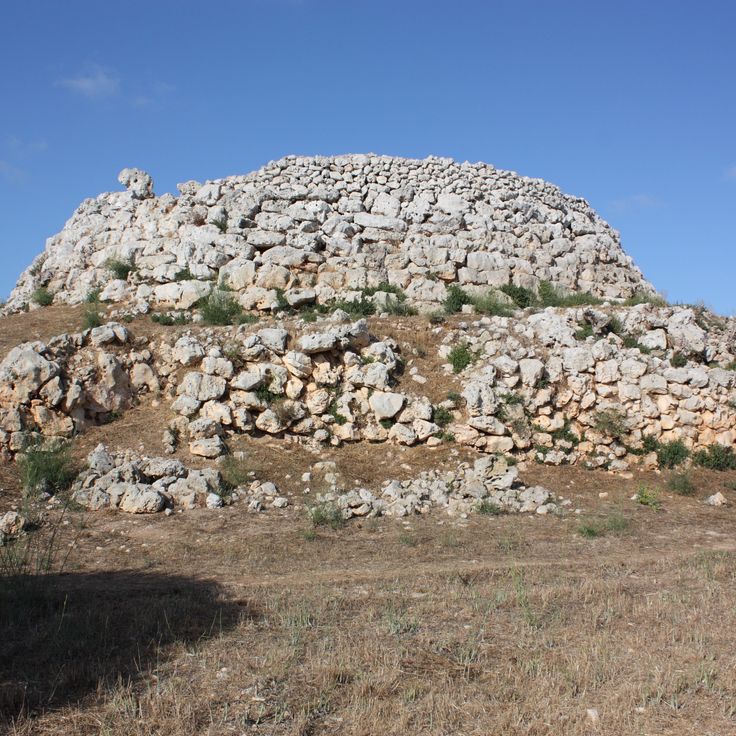
The Talaiot de Trebalúger is a stone structure from the Bronze Age that stands on a hilltop in southern Minorca. This ancient building shows how the island's first inhabitants lived and organized their communities. When you visit this place, you can see the landscape these people knew and understand how closely their lives were connected to nature. The talaiot is part of the history written in the stones of this island.
The Hippie Market at Punta Arabí is one of Ibiza's largest weekly markets, where hundreds of vendors and visitors gather every Wednesday. Here you can find handicrafts, jewelry, clothing, and local products made by small artisans and makers. The market shows the artistic side of the island, where people come together to share their work and trade with one another. It is a place where you experience the daily rhythm of island life, away from the main tourist centers.
Agua Blanca Beach sits in a sheltered cove on Ibiza and represents the kind of place these islands offer beyond the crowded resort areas. You will find a narrow stretch of white sand and clear turquoise water where you can arrive early in the morning and have the shore mostly to yourself. Rocky cliffs frame the cove and shelter it from wind. This is one of those spots locals know about, where you can swim and spend time without battling crowds.
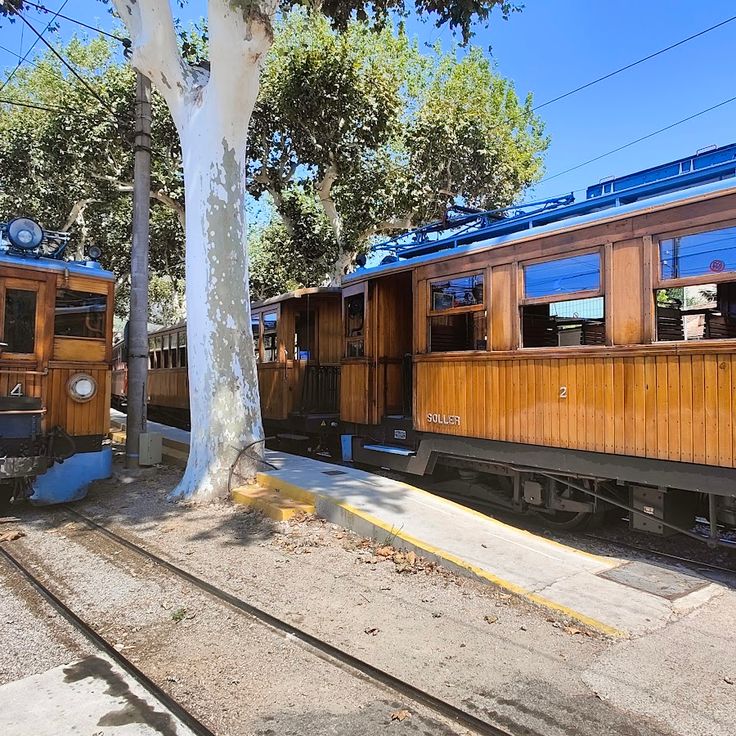
This historic railway connects Palma to the mountain village of Sóller and takes travelers through landscapes that change at every turn. The train travels on narrow tracks through valleys, into tunnels, and past orange groves where locals have worked for generations. The journey takes about an hour and reveals a side of Mallorca far from crowded beaches. The wooden carriages are vintage, with windows that open to fresh air and views of green slopes. You pass small settlements tucked into hillsides and see how people live in these quieter parts of the island. When you arrive in Sóller, you step into a place where the daily rhythm feels different from the coast.
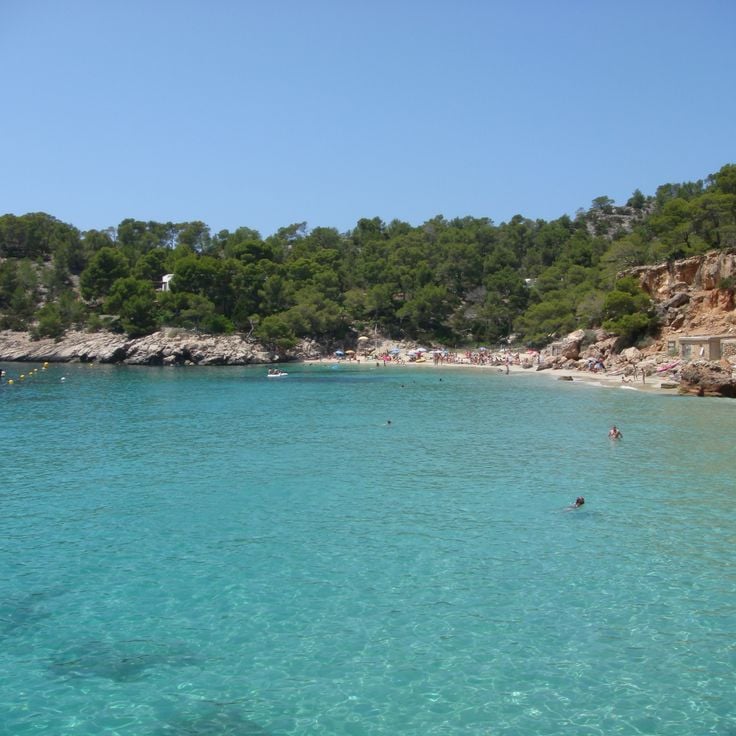
Cala Saladeta is a small bay on Ibiza, surrounded by rocks and offering turquoise waters with fine sand. This cove is one of those hidden places that locals know and treasure, far from the busy tourist beaches. The clear water is perfect for snorkeling and diving. The challenging access keeps the bay quiet and less crowded. Here you can experience the Mediterranean waters in a more personal way.
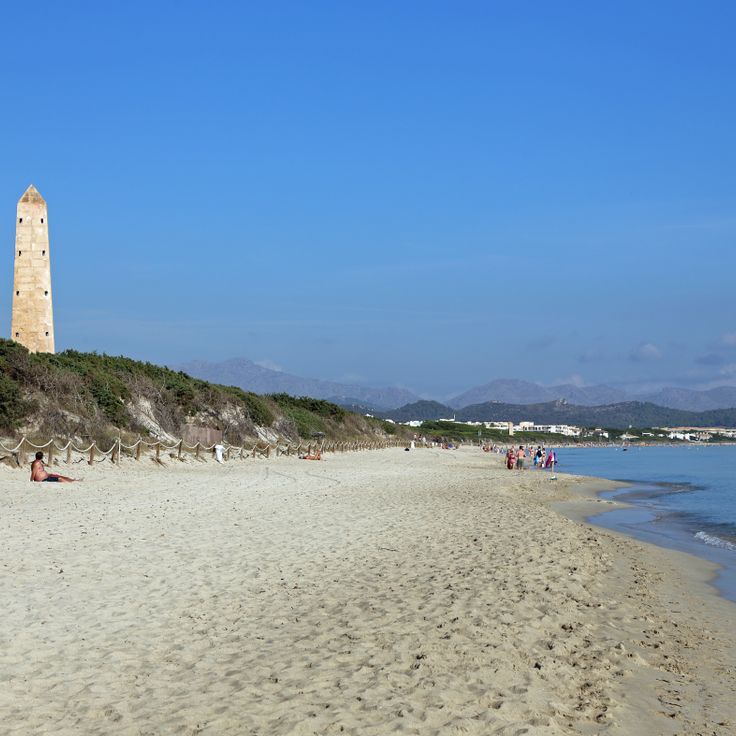
Playa de Muro reveals the gentler side of the Balearics. This 6 kilometer sandy beach stretches with shallow waters and a gradual slope into the sea. Locals come here to swim and spend time with family. The beach has practical facilities without feeling crowded. You can enter the water slowly, which makes it especially good for children. Behind the beach stand small restaurants and bars serving local fish dishes. In the morning the sand is quiet, and by afternoon people fill the shore enjoying simple seaside life.
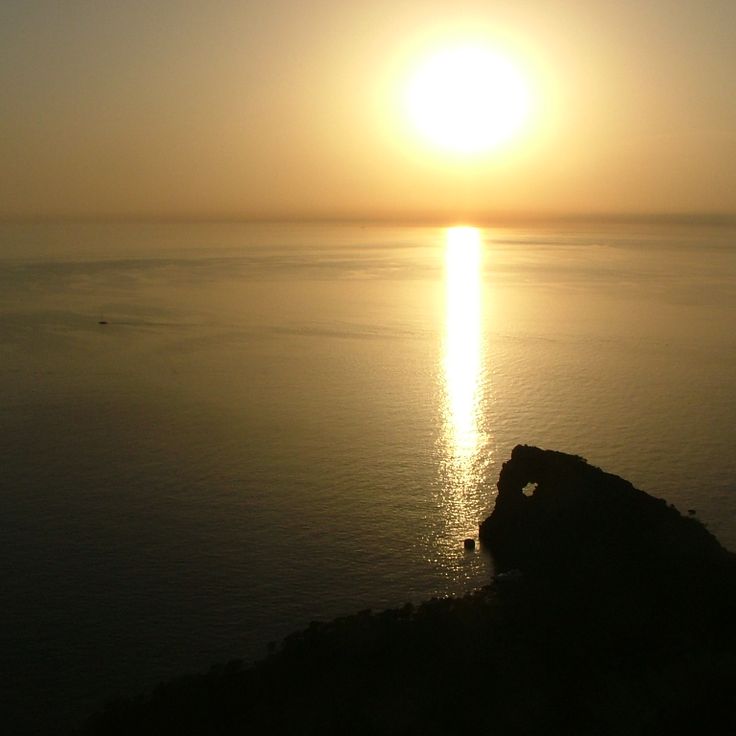
Sa Foradada is a limestone peninsula that juts into the Mediterranean off the coast of Mallorca. Its most distinctive feature is a large natural hole in the rock face, measuring about 18 meters across. Hikers and boat visitors come here to see this remarkable geological formation. The peninsula offers views across the sea and the surrounding landscape. This place demonstrates how the sea and time have shaped the rocky terrain of the Balearics, revealing the raw character of these islands.
Phare de Favàritx stands on the dark rocks of Minorca's northern coast, a white and red striped tower that has guided ships since the early 1920s. The landscape around it is raw and windswept, with waves crashing against black stone. Walking here means moving through wild terrain where hardy plants cling to the ground. This is a place where the sea feels powerful and untamed, where you understand why sailors needed this lighthouse to navigate safely. Locals have watched this coast for generations, and the lighthouse remains a landmark that connects the island to its maritime past.
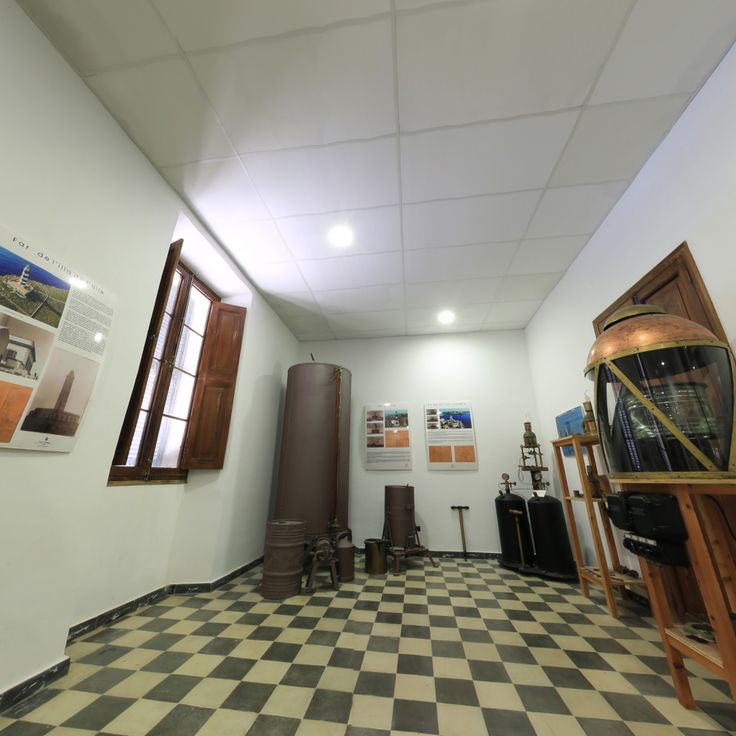
The Museo Marítimo de Mallorca shows how people on the island have lived and worked with the sea from the 13th century to today. You can see old boats, fishing tools, and objects that tell the story of merchants and sailors who shaped the islands. The museum displays the ships and equipment that were part of daily life here for hundreds of years. Walking through these rooms, you understand how deeply the sea is connected to everything on Mallorca.
Cova de Can Marca is a cave system on Ibiza that extends across several levels. The cavern impresses with stalactites and stalagmites that have grown over countless years. Underground pools of water fill the chambers and create a damp, mysterious setting. This natural wonder shows how the island's geology works beneath the surface. Walking through the cave takes you past strange rock formations and silent grottos. Visitors can understand how nature has shaped this underground world over millennia.
The Drach Caves in Majorca feature an underground network with four distinct chambers containing a subterranean lake and numerous stalactites and stalagmites. This site showcases the geological history of the island and invites visitors to explore these natural formations. The cool caves offer relief from the hot summer days and allow you to experience Majorca's landscape from a completely different perspective.
Es Vedrà is an uninhabited limestone island that rises about 380 meters above the sea and is clearly visible from Ibiza. The island draws visitors who want to admire the dramatic rock formation from boats. Local stories and legends surround this place, which stands out from the coast of Ibiza. The island itself is not open to tourists, but the view from the shore or the water shows an impressive natural structure. It is a place many people visit to experience the raw beauty of the Balearic Islands.
Playa de Illetas on Formentera displays the natural character of this Balearic island. Fine sand curves along the water while pine forests and Mediterranean vegetation with pink pepper trees frame the shore. This beach shows how the islands balance human presence with unspoiled nature. Visitors find themselves in a setting where the rhythm of island life continues at its own pace, removed from the crowded tourist centers.
The Valldemossa Monastery stands in the Serra de Tramuntana mountains and dates back to the 14th century. It was home to Carthusian monks who lived according to their spiritual traditions. This place shows how monastic life shaped the region. The rooms and corridors reveal daily routines of prayer and work. The architecture blends with the steep mountain landscape, offering views across valleys and toward the sea. Visiting this monastery reveals how communities once lived in harmony with the demanding terrain.
S'Albufera des Grau Natural Park shows you a side of Minorca where nature remains untouched and wild. The salt lagoon is home to many bird species, and the observation tower lets you watch them up close as they move through the water and sky. Walking paths cross through different habitats, from wetlands to drier ground, revealing how much life thrives in this small space. This park feels far removed from the busy tourist beaches, offering a chance to see what the islands looked like before development.
Cala Pregonda is a beach on Menorca with sand in reddish and golden tones, framed by two headlands. The water displays turquoise hues. This place shows what the Balearic Islands look like beyond the well-known beaches. Here you encounter fewer visitors and can experience the natural beauty of the island directly. The beach lies away from major tourism routes and retains the calm character that local people value.
The cave of Sant Miquel is a natural cavern in Mallorca that has held limestone stalactites and stalagmites for thousands of years. This underground landscape shows how nature has slowly transformed stone into remarkable forms over vast stretches of time. Visitors can descend into the depths and explore this hidden world, completely different from the sunny surface of the island. The cave conveys a sense of Mallorca's geological history and offers a cool, peaceful experience away from the surface world.
Esporles sits among olive groves and stone terraces in the Tramuntana mountains. This village displays traditional Majorcan architecture with light-colored stone houses, narrow streets, and a quiet village square. The people here maintain old crafts and farming ways that have been part of the land for generations. The surrounding terraced landscape and clear mountain light show how daily life flows in a small Balearic mountain village.
This cove near Ibiza sits between limestone walls and displays different geological patterns. The water reaches a depth of 50 feet (15 meters). This place fits perfectly into the Balearic collection, showing hidden spots away from famous beaches. Here you will find a location that locals know and value, where you can experience the island's natural beauty in its simple form.
Binibeca Vell is a fishing village on Minorca built in the 1970s. The village has white houses built close together, creating narrow lanes and alleyways. The architecture follows traditional Mediterranean patterns with simple, clean lines. Small squares open up between the buildings, offering places to rest. The harbor sits at the edge of the village where fishing boats are moored. Visitors can see how local people live here and try fresh fish at family-run restaurants along the waterfront.
Els Calderers is a historic estate on Mallorca that shows how the island's farming life developed over time. The house displays original furniture from the 17th century and everyday objects that belonged to agricultural families. Walking through the rooms, you see tools, kitchens, and living spaces that reveal how people worked the land and lived together. The farmyard with its old barns and equipment tells the story of agriculture's importance to the island. Visiting Els Calderers helps you understand the rhythm of daily life that has shaped Mallorca for generations.
Cabrera Archipelago National Park belongs in this collection because it reveals the natural life of the Balearics far from tourist crowds. The protected area contains 19 islands with plants and animals found nowhere else. Dolphins and sea turtles inhabit the waters here. When you visit, you experience wild nature on its own terms, where the sea and islands follow rhythms unchanged by mass tourism. It is a place that shows what the Balearics were and still are beyond the beaches.
The Puig des Molins necropolis is an ancient Phoenician burial site on Ibiza with thousands of burial chambers carved into the hillside. It shows how people in this place honored their dead thousands of years ago. Walking through the site, you see stone chambers and passages dug into the earth. The attached museum displays pottery, jewelry, and everyday objects found in the graves, offering glimpses into the lives of those who lived here long ago. This location reveals how a civilization practiced its customs and beliefs in one of the Mediterranean's most important burial grounds.
The Artà Caves are natural limestone formations along the eastern coast, stretching across several hundred meters with dramatic stone shapes inside. Walking through them, you see stalactites hanging from above and stalagmites rising from the ground, created over countless years. This location sits away from crowded tourist areas, a place where locals come to experience the raw power of nature. The caves show how water and time have carved deep into the rock. It is a space where you can feel the age of the islands and understand how nature continues to shape these lands.
Torre d'en Galmés is a Bronze Age site on Minorca with several stone buildings, caves, and fortified structures from the Talayotic period. This settlement shows how early inhabitants lived and protected themselves. You can still see the old walls and understand how people thousands of years ago built their homes and organized their community.
Cala Turqueta is a small beach nestled between pine forests, showing the natural character of the Balearic Islands. The water here is clear and turquoise, and the sand is fine and white. This place is visited by locals who come to escape the crowds. The natural surroundings with trees provide shade and shelter. It is a place where you can experience nature in its original form, as it has been preserved through generations.
Castle Alaro sits on a peak of the Serra de Tramuntana, offering visitors a wide view across Mallorca's central plain. This medieval fortress shows how island residents once defended their home. The path up winds through pine forests and over rocky trails worn by generations of locals. Reaching the top, you see the entire island spread below - the sea in the distance and small villages nestled in the valleys. On clear days, your gaze stretches all the way to the horizon. The old stone walls tell stories of the past as you walk among them and trace your fingers across their surface.
Las Salinas is far more than a place of salt production. This site shows how people have harvested salt from the sea for thousands of years, since the time of the Phoenicians. When you walk through, you see shallow pools where water shimmers and watch birds circle above the flats. The rhythm of salt-making follows the natural cycle of seasons, and many bird species have made this place a stopping point during migration. Las Salinas reveals an ancient craft that has connected generations of families and shaped the landscape of Ibiza.
The market of Santanyí opens its stalls on Wednesdays and Saturdays, drawing locals who come to buy regional food, textiles, and crafts made by Majorcan artisans. This market shows how the island's communities gather and exchange goods in a rhythm that has continued for generations. Walking through the stands, you encounter the flavors and textures of daily island life, from fresh produce to handmade items that reflect local traditions and skills.
This natural reserve on Majorca is a coastal wetland where you can watch dozens of bird species in their daily life. Marked trails take you through reed beds and salt marshes, letting you hear the sounds of nature and observe how birds move through their habitat. The reserve shows how the landscape works here and why local people have chosen to protect it.
The Fornells Tower is a military fortress from the 19th century standing on Minorca's northern coast. Built by the British, it was designed to watch over ships in the harbor and on the sea. Today this tower shows a piece of history, revealing how the islands were controlled by different powers over the centuries. From the top you can see the Fornells bay, one of the island's most beautiful harbors, where small fishing boats and sailboats anchor. The place tells the story of a time when security and trade were closely linked.
The Talaiot de Trebalúger is a stone structure from the Bronze Age that stands on a hilltop in southern Minorca. This ancient building shows how the island's first inhabitants lived and organized their communities. When you visit this place, you can see the landscape these people knew and understand how closely their lives were connected to nature. The talaiot is part of the history written in the stones of this island.
The Hippie Market at Punta Arabí is one of Ibiza's largest weekly markets, where hundreds of vendors and visitors gather every Wednesday. Here you can find handicrafts, jewelry, clothing, and local products made by small artisans and makers. The market shows the artistic side of the island, where people come together to share their work and trade with one another. It is a place where you experience the daily rhythm of island life, away from the main tourist centers.
Agua Blanca Beach sits in a sheltered cove on Ibiza and represents the kind of place these islands offer beyond the crowded resort areas. You will find a narrow stretch of white sand and clear turquoise water where you can arrive early in the morning and have the shore mostly to yourself. Rocky cliffs frame the cove and shelter it from wind. This is one of those spots locals know about, where you can swim and spend time without battling crowds.
This historic railway connects Palma to the mountain village of Sóller and takes travelers through landscapes that change at every turn. The train travels on narrow tracks through valleys, into tunnels, and past orange groves where locals have worked for generations. The journey takes about an hour and reveals a side of Mallorca far from crowded beaches. The wooden carriages are vintage, with windows that open to fresh air and views of green slopes. You pass small settlements tucked into hillsides and see how people live in these quieter parts of the island. When you arrive in Sóller, you step into a place where the daily rhythm feels different from the coast.
Cala Saladeta is a small bay on Ibiza, surrounded by rocks and offering turquoise waters with fine sand. This cove is one of those hidden places that locals know and treasure, far from the busy tourist beaches. The clear water is perfect for snorkeling and diving. The challenging access keeps the bay quiet and less crowded. Here you can experience the Mediterranean waters in a more personal way.
Playa de Muro reveals the gentler side of the Balearics. This 6 kilometer sandy beach stretches with shallow waters and a gradual slope into the sea. Locals come here to swim and spend time with family. The beach has practical facilities without feeling crowded. You can enter the water slowly, which makes it especially good for children. Behind the beach stand small restaurants and bars serving local fish dishes. In the morning the sand is quiet, and by afternoon people fill the shore enjoying simple seaside life.
Sa Foradada is a limestone peninsula that juts into the Mediterranean off the coast of Mallorca. Its most distinctive feature is a large natural hole in the rock face, measuring about 18 meters across. Hikers and boat visitors come here to see this remarkable geological formation. The peninsula offers views across the sea and the surrounding landscape. This place demonstrates how the sea and time have shaped the rocky terrain of the Balearics, revealing the raw character of these islands.
Phare de Favàritx stands on the dark rocks of Minorca's northern coast, a white and red striped tower that has guided ships since the early 1920s. The landscape around it is raw and windswept, with waves crashing against black stone. Walking here means moving through wild terrain where hardy plants cling to the ground. This is a place where the sea feels powerful and untamed, where you understand why sailors needed this lighthouse to navigate safely. Locals have watched this coast for generations, and the lighthouse remains a landmark that connects the island to its maritime past.
The Museo Marítimo de Mallorca shows how people on the island have lived and worked with the sea from the 13th century to today. You can see old boats, fishing tools, and objects that tell the story of merchants and sailors who shaped the islands. The museum displays the ships and equipment that were part of daily life here for hundreds of years. Walking through these rooms, you understand how deeply the sea is connected to everything on Mallorca.
Cova de Can Marca is a cave system on Ibiza that extends across several levels. The cavern impresses with stalactites and stalagmites that have grown over countless years. Underground pools of water fill the chambers and create a damp, mysterious setting. This natural wonder shows how the island's geology works beneath the surface. Walking through the cave takes you past strange rock formations and silent grottos. Visitors can understand how nature has shaped this underground world over millennia.
The Drach Caves in Majorca feature an underground network with four distinct chambers containing a subterranean lake and numerous stalactites and stalagmites. This site showcases the geological history of the island and invites visitors to explore these natural formations. The cool caves offer relief from the hot summer days and allow you to experience Majorca's landscape from a completely different perspective.
Es Vedrà is an uninhabited limestone island that rises about 380 meters above the sea and is clearly visible from Ibiza. The island draws visitors who want to admire the dramatic rock formation from boats. Local stories and legends surround this place, which stands out from the coast of Ibiza. The island itself is not open to tourists, but the view from the shore or the water shows an impressive natural structure. It is a place many people visit to experience the raw beauty of the Balearic Islands.
Playa de Illetas on Formentera displays the natural character of this Balearic island. Fine sand curves along the water while pine forests and Mediterranean vegetation with pink pepper trees frame the shore. This beach shows how the islands balance human presence with unspoiled nature. Visitors find themselves in a setting where the rhythm of island life continues at its own pace, removed from the crowded tourist centers.
The Valldemossa Monastery stands in the Serra de Tramuntana mountains and dates back to the 14th century. It was home to Carthusian monks who lived according to their spiritual traditions. This place shows how monastic life shaped the region. The rooms and corridors reveal daily routines of prayer and work. The architecture blends with the steep mountain landscape, offering views across valleys and toward the sea. Visiting this monastery reveals how communities once lived in harmony with the demanding terrain.
S'Albufera des Grau Natural Park shows you a side of Minorca where nature remains untouched and wild. The salt lagoon is home to many bird species, and the observation tower lets you watch them up close as they move through the water and sky. Walking paths cross through different habitats, from wetlands to drier ground, revealing how much life thrives in this small space. This park feels far removed from the busy tourist beaches, offering a chance to see what the islands looked like before development.
Cala Pregonda is a beach on Menorca with sand in reddish and golden tones, framed by two headlands. The water displays turquoise hues. This place shows what the Balearic Islands look like beyond the well-known beaches. Here you encounter fewer visitors and can experience the natural beauty of the island directly. The beach lies away from major tourism routes and retains the calm character that local people value.
The cave of Sant Miquel is a natural cavern in Mallorca that has held limestone stalactites and stalagmites for thousands of years. This underground landscape shows how nature has slowly transformed stone into remarkable forms over vast stretches of time. Visitors can descend into the depths and explore this hidden world, completely different from the sunny surface of the island. The cave conveys a sense of Mallorca's geological history and offers a cool, peaceful experience away from the surface world.
Esporles sits among olive groves and stone terraces in the Tramuntana mountains. This village displays traditional Majorcan architecture with light-colored stone houses, narrow streets, and a quiet village square. The people here maintain old crafts and farming ways that have been part of the land for generations. The surrounding terraced landscape and clear mountain light show how daily life flows in a small Balearic mountain village.
This cove near Ibiza sits between limestone walls and displays different geological patterns. The water reaches a depth of 50 feet (15 meters). This place fits perfectly into the Balearic collection, showing hidden spots away from famous beaches. Here you will find a location that locals know and value, where you can experience the island's natural beauty in its simple form.
Binibeca Vell is a fishing village on Minorca built in the 1970s. The village has white houses built close together, creating narrow lanes and alleyways. The architecture follows traditional Mediterranean patterns with simple, clean lines. Small squares open up between the buildings, offering places to rest. The harbor sits at the edge of the village where fishing boats are moored. Visitors can see how local people live here and try fresh fish at family-run restaurants along the waterfront.
Els Calderers is a historic estate on Mallorca that shows how the island's farming life developed over time. The house displays original furniture from the 17th century and everyday objects that belonged to agricultural families. Walking through the rooms, you see tools, kitchens, and living spaces that reveal how people worked the land and lived together. The farmyard with its old barns and equipment tells the story of agriculture's importance to the island. Visiting Els Calderers helps you understand the rhythm of daily life that has shaped Mallorca for generations.
Cabrera Archipelago National Park belongs in this collection because it reveals the natural life of the Balearics far from tourist crowds. The protected area contains 19 islands with plants and animals found nowhere else. Dolphins and sea turtles inhabit the waters here. When you visit, you experience wild nature on its own terms, where the sea and islands follow rhythms unchanged by mass tourism. It is a place that shows what the Balearics were and still are beyond the beaches.
The Puig des Molins necropolis is an ancient Phoenician burial site on Ibiza with thousands of burial chambers carved into the hillside. It shows how people in this place honored their dead thousands of years ago. Walking through the site, you see stone chambers and passages dug into the earth. The attached museum displays pottery, jewelry, and everyday objects found in the graves, offering glimpses into the lives of those who lived here long ago. This location reveals how a civilization practiced its customs and beliefs in one of the Mediterranean's most important burial grounds.
The Artà Caves are natural limestone formations along the eastern coast, stretching across several hundred meters with dramatic stone shapes inside. Walking through them, you see stalactites hanging from above and stalagmites rising from the ground, created over countless years. This location sits away from crowded tourist areas, a place where locals come to experience the raw power of nature. The caves show how water and time have carved deep into the rock. It is a space where you can feel the age of the islands and understand how nature continues to shape these lands.
Torre d'en Galmés is a Bronze Age site on Minorca with several stone buildings, caves, and fortified structures from the Talayotic period. This settlement shows how early inhabitants lived and protected themselves. You can still see the old walls and understand how people thousands of years ago built their homes and organized their community.
Cala Turqueta is a small beach nestled between pine forests, showing the natural character of the Balearic Islands. The water here is clear and turquoise, and the sand is fine and white. This place is visited by locals who come to escape the crowds. The natural surroundings with trees provide shade and shelter. It is a place where you can experience nature in its original form, as it has been preserved through generations.
Castle Alaro sits on a peak of the Serra de Tramuntana, offering visitors a wide view across Mallorca's central plain. This medieval fortress shows how island residents once defended their home. The path up winds through pine forests and over rocky trails worn by generations of locals. Reaching the top, you see the entire island spread below - the sea in the distance and small villages nestled in the valleys. On clear days, your gaze stretches all the way to the horizon. The old stone walls tell stories of the past as you walk among them and trace your fingers across their surface.
Las Salinas is far more than a place of salt production. This site shows how people have harvested salt from the sea for thousands of years, since the time of the Phoenicians. When you walk through, you see shallow pools where water shimmers and watch birds circle above the flats. The rhythm of salt-making follows the natural cycle of seasons, and many bird species have made this place a stopping point during migration. Las Salinas reveals an ancient craft that has connected generations of families and shaped the landscape of Ibiza.
The market of Santanyí opens its stalls on Wednesdays and Saturdays, drawing locals who come to buy regional food, textiles, and crafts made by Majorcan artisans. This market shows how the island's communities gather and exchange goods in a rhythm that has continued for generations. Walking through the stands, you encounter the flavors and textures of daily island life, from fresh produce to handmade items that reflect local traditions and skills.
This natural reserve on Majorca is a coastal wetland where you can watch dozens of bird species in their daily life. Marked trails take you through reed beds and salt marshes, letting you hear the sounds of nature and observe how birds move through their habitat. The reserve shows how the landscape works here and why local people have chosen to protect it.
The Fornells Tower is a military fortress from the 19th century standing on Minorca's northern coast. Built by the British, it was designed to watch over ships in the harbor and on the sea. Today this tower shows a piece of history, revealing how the islands were controlled by different powers over the centuries. From the top you can see the Fornells bay, one of the island's most beautiful harbors, where small fishing boats and sailboats anchor. The place tells the story of a time when security and trade were closely linked.
The Talaiot de Trebalúger is a stone structure from the Bronze Age that stands on a hilltop in southern Minorca. This ancient building shows how the island's first inhabitants lived and organized their communities. When you visit this place, you can see the landscape these people knew and understand how closely their lives were connected to nature. The talaiot is part of the history written in the stones of this island.
The Hippie Market at Punta Arabí is one of Ibiza's largest weekly markets, where hundreds of vendors and visitors gather every Wednesday. Here you can find handicrafts, jewelry, clothing, and local products made by small artisans and makers. The market shows the artistic side of the island, where people come together to share their work and trade with one another. It is a place where you experience the daily rhythm of island life, away from the main tourist centers.
Agua Blanca Beach sits in a sheltered cove on Ibiza and represents the kind of place these islands offer beyond the crowded resort areas. You will find a narrow stretch of white sand and clear turquoise water where you can arrive early in the morning and have the shore mostly to yourself. Rocky cliffs frame the cove and shelter it from wind. This is one of those spots locals know about, where you can swim and spend time without battling crowds.
This historic railway connects Palma to the mountain village of Sóller and takes travelers through landscapes that change at every turn. The train travels on narrow tracks through valleys, into tunnels, and past orange groves where locals have worked for generations. The journey takes about an hour and reveals a side of Mallorca far from crowded beaches. The wooden carriages are vintage, with windows that open to fresh air and views of green slopes. You pass small settlements tucked into hillsides and see how people live in these quieter parts of the island. When you arrive in Sóller, you step into a place where the daily rhythm feels different from the coast.
Cala Saladeta is a small bay on Ibiza, surrounded by rocks and offering turquoise waters with fine sand. This cove is one of those hidden places that locals know and treasure, far from the busy tourist beaches. The clear water is perfect for snorkeling and diving. The challenging access keeps the bay quiet and less crowded. Here you can experience the Mediterranean waters in a more personal way.
Playa de Muro reveals the gentler side of the Balearics. This 6 kilometer sandy beach stretches with shallow waters and a gradual slope into the sea. Locals come here to swim and spend time with family. The beach has practical facilities without feeling crowded. You can enter the water slowly, which makes it especially good for children. Behind the beach stand small restaurants and bars serving local fish dishes. In the morning the sand is quiet, and by afternoon people fill the shore enjoying simple seaside life.
Sa Foradada is a limestone peninsula that juts into the Mediterranean off the coast of Mallorca. Its most distinctive feature is a large natural hole in the rock face, measuring about 18 meters across. Hikers and boat visitors come here to see this remarkable geological formation. The peninsula offers views across the sea and the surrounding landscape. This place demonstrates how the sea and time have shaped the rocky terrain of the Balearics, revealing the raw character of these islands.
Phare de Favàritx stands on the dark rocks of Minorca's northern coast, a white and red striped tower that has guided ships since the early 1920s. The landscape around it is raw and windswept, with waves crashing against black stone. Walking here means moving through wild terrain where hardy plants cling to the ground. This is a place where the sea feels powerful and untamed, where you understand why sailors needed this lighthouse to navigate safely. Locals have watched this coast for generations, and the lighthouse remains a landmark that connects the island to its maritime past.
The Museo Marítimo de Mallorca shows how people on the island have lived and worked with the sea from the 13th century to today. You can see old boats, fishing tools, and objects that tell the story of merchants and sailors who shaped the islands. The museum displays the ships and equipment that were part of daily life here for hundreds of years. Walking through these rooms, you understand how deeply the sea is connected to everything on Mallorca.
Cova de Can Marca is a cave system on Ibiza that extends across several levels. The cavern impresses with stalactites and stalagmites that have grown over countless years. Underground pools of water fill the chambers and create a damp, mysterious setting. This natural wonder shows how the island's geology works beneath the surface. Walking through the cave takes you past strange rock formations and silent grottos. Visitors can understand how nature has shaped this underground world over millennia.