See the monuments around you in AROpen chests in the app
Around Us is built for your phone — point your camera at the streets and discover the monuments and places around you in augmented reality.Around Us is built for your phone — chests unlock when you walk, explore and capture nearby places.
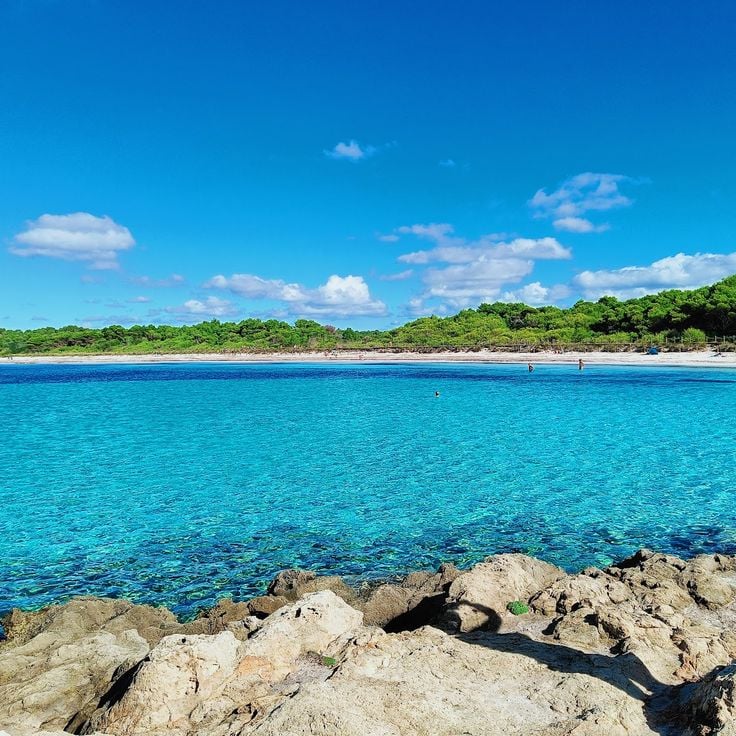
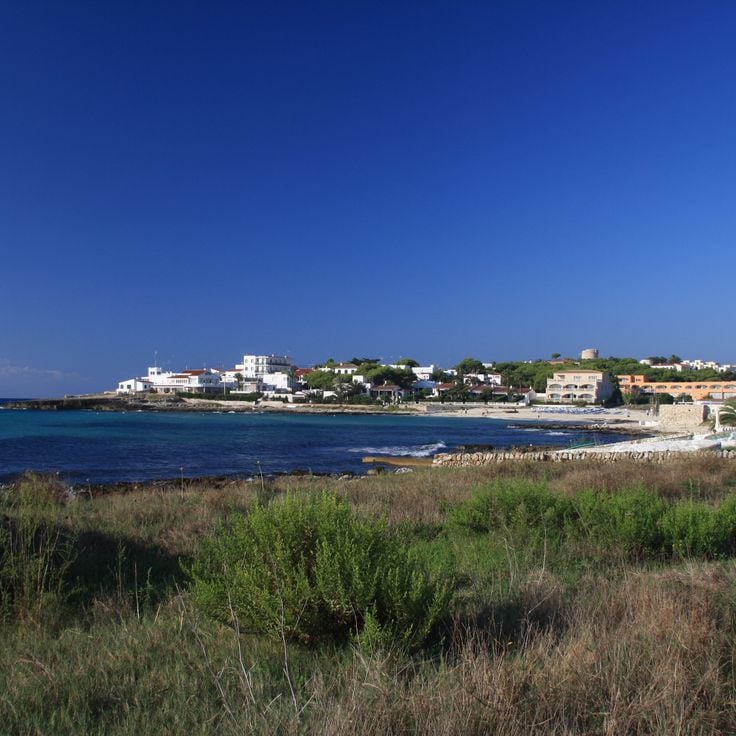
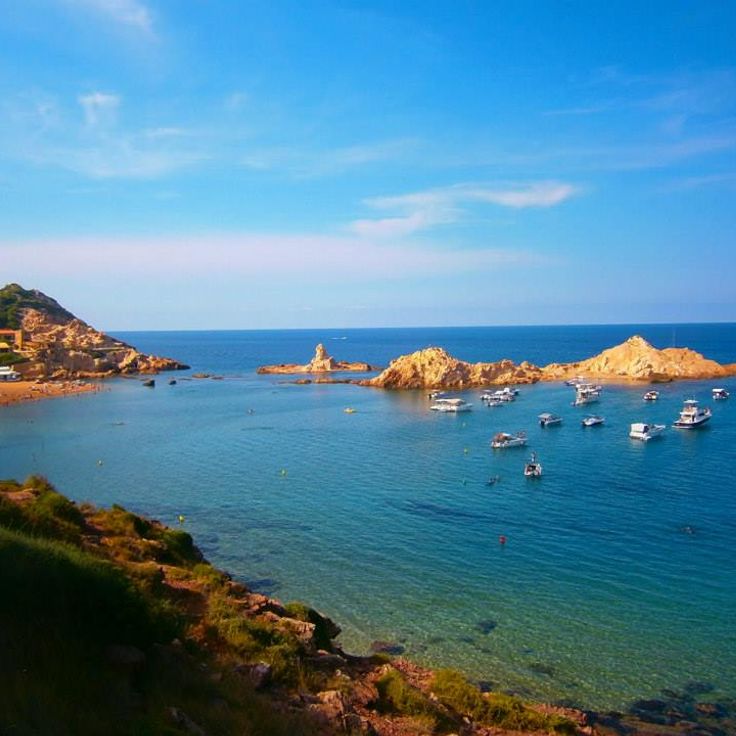
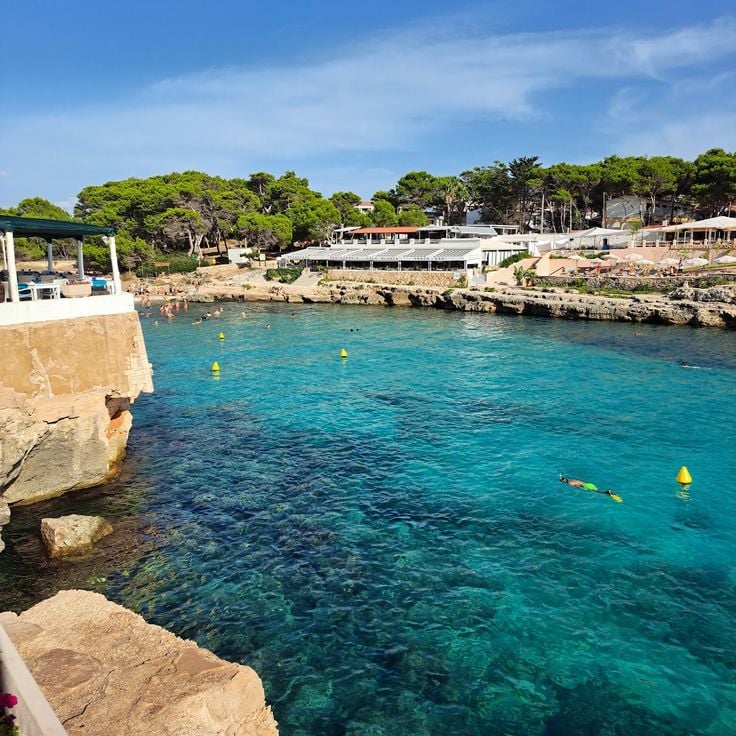
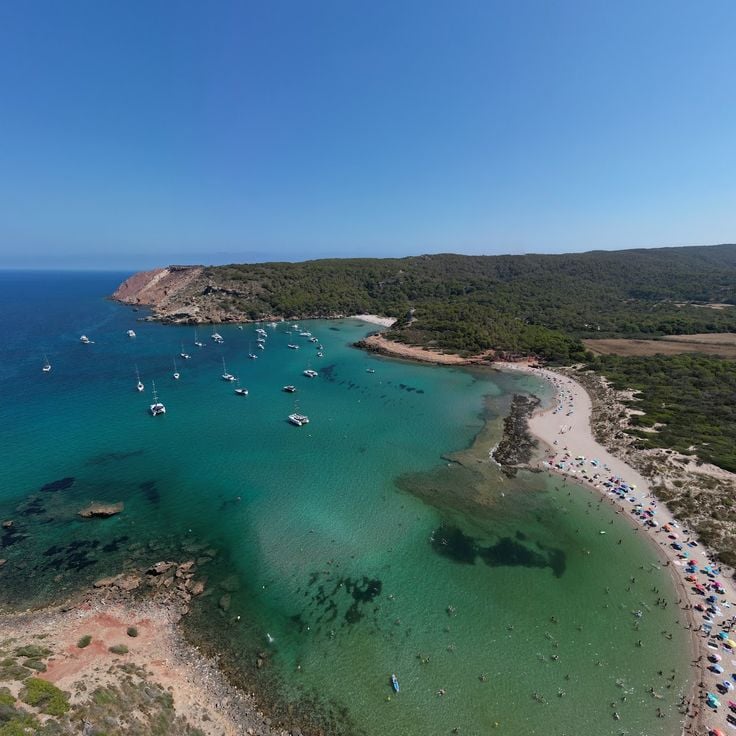
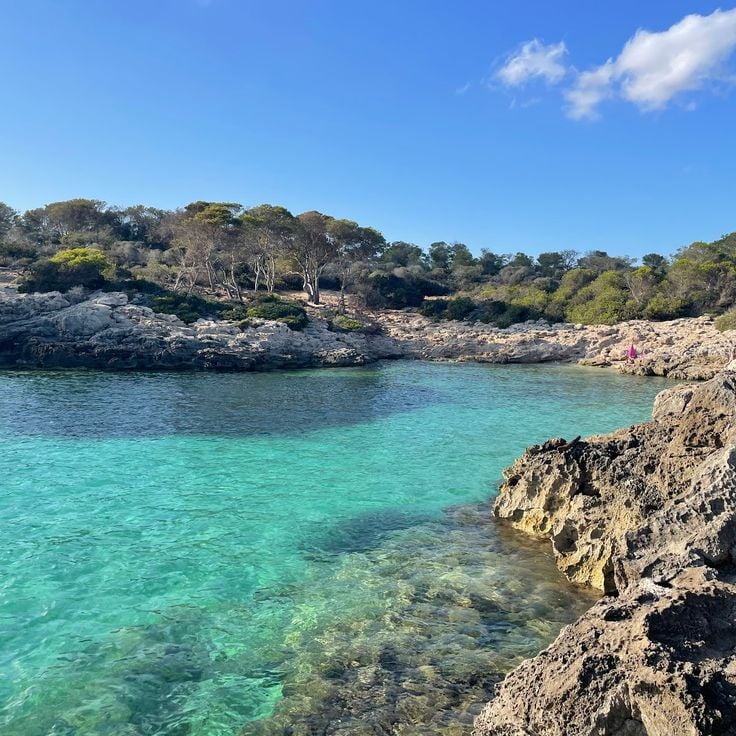
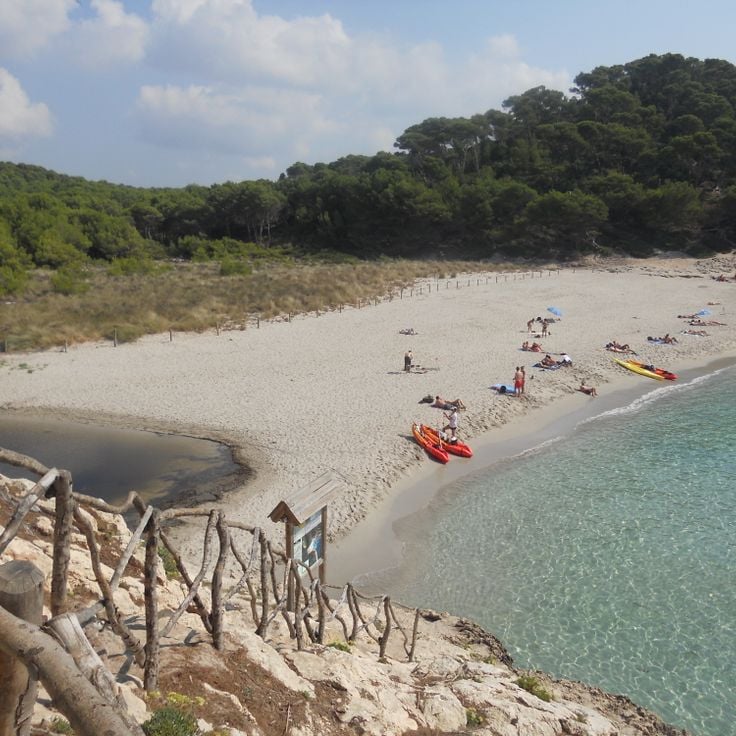
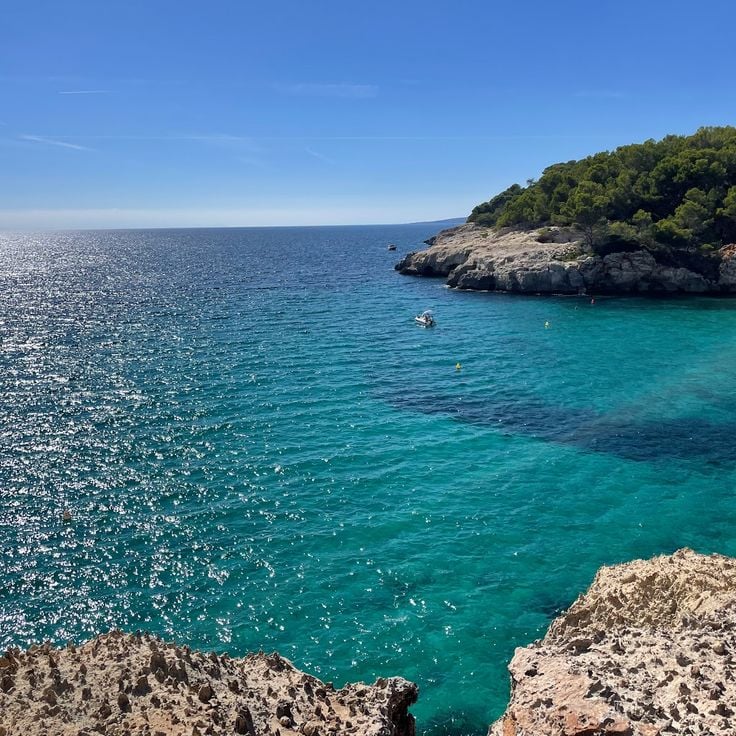
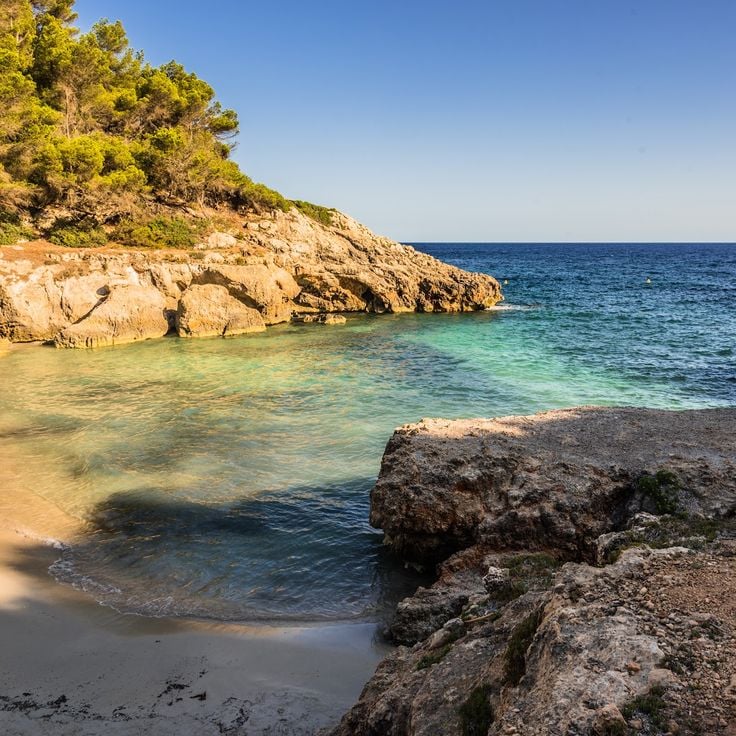
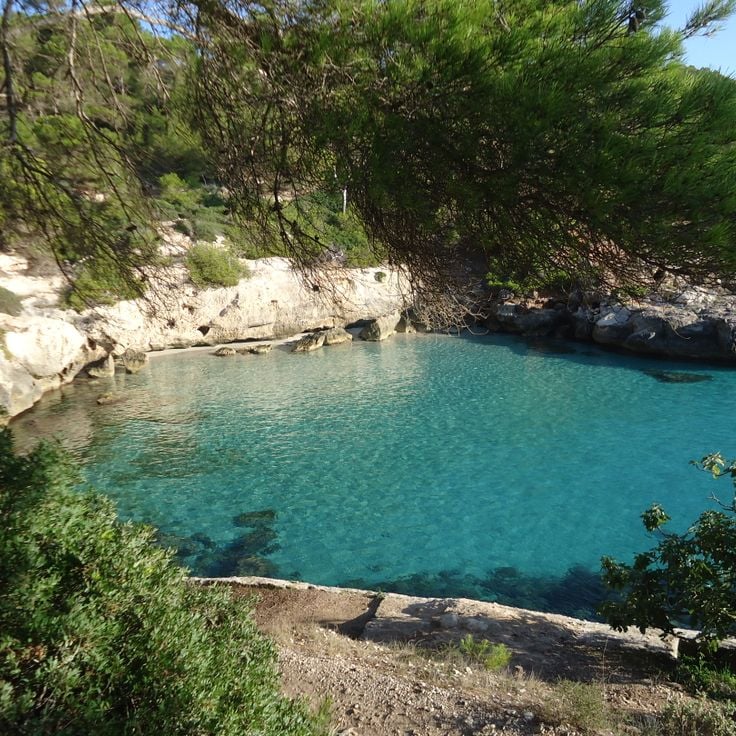
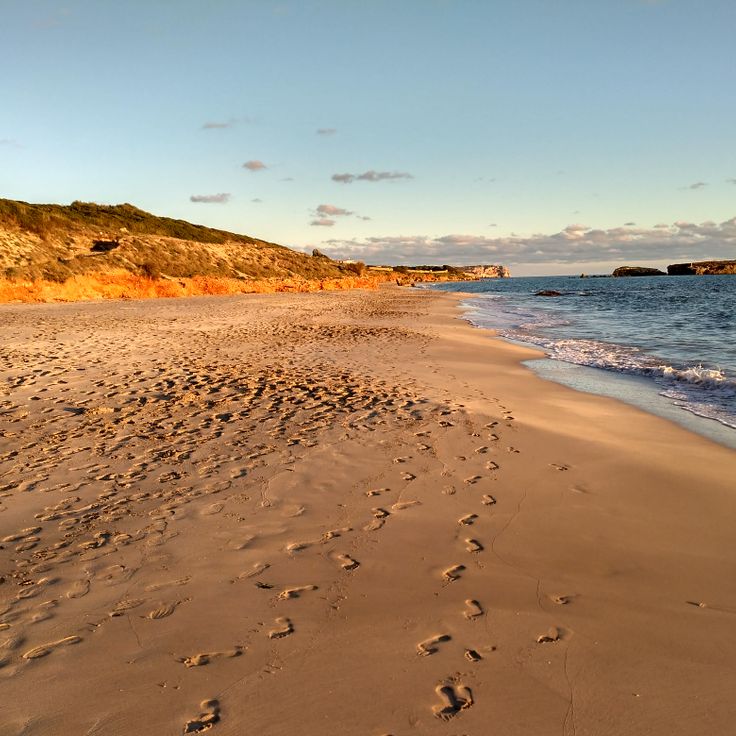
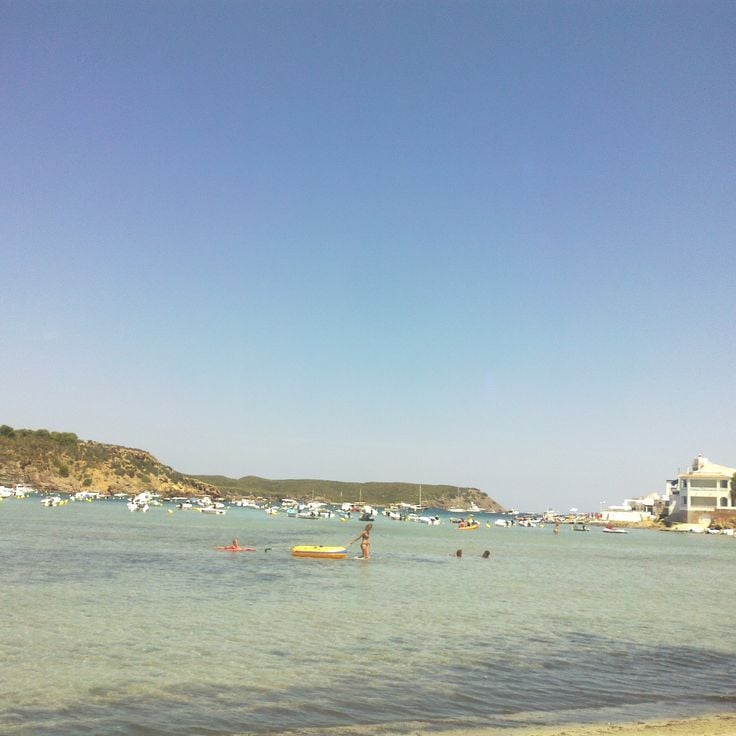
Menorca offers remarkable coastal diversity. The island's 200-plus coves and beaches range from long sand stretches like Son Bou, Menorca's largest beach at roughly 1.5 miles (2.4 kilometers), to small secluded coves like Cala Mitjana and Cala Mitjaneta. The northern coast presents reddish sand of volcanic origin at beaches like Cavalleria and Cala Pregonda, while the southern coast displays white sand and turquoise waters at places like Macarella and Turqueta. This geological divide makes the island an appealing destination for visitors seeking varied coastal environments.
Some beaches like Punta Prima, Cala Galdana, and Arenal d'en Castell provide full facilities with restaurants, sunbed rentals, and water sports. Others like Cala de Trebalúger, Cala Escorxada, and Binigaus remain natural and undeveloped, accessible via coastal walking trails through Mediterranean vegetation. The sheltered position of most coves ensures calm waters suitable for swimming and snorkeling. Son Bou includes wetlands behind the beach and early Christian basilica ruins. Menorca's coastal variety, from the red cliffs at Cala Morell to the white sands at Son Saura, reflects the island's status as a UNESCO Biosphere Reserve and provides options for different preferences.
Menorca offers remarkable coastal diversity. The island's 200-plus coves and beaches range from long sand stretches like Son Bou, Menorca's largest beach at roughly 1.5 miles (2.4 kilometers), to small secluded coves like Cala Mitjana and Cala Mitjaneta. The northern coast presents reddish sand of volcanic origin at beaches like Cavalleria and Cala Pregonda, while the southern coast displays white sand and turquoise waters at places like Macarella and Turqueta. This geological divide makes the island an appealing destination for visitors seeking varied coastal environments.
Some beaches like Punta Prima, Cala Galdana, and Arenal d'en Castell provide full facilities with restaurants, sunbed rentals, and water sports. Others like Cala de Trebalúger, Cala Escorxada, and Binigaus remain natural and undeveloped, accessible via coastal walking trails through Mediterranean vegetation. The sheltered position of most coves ensures calm waters suitable for swimming and snorkeling. Son Bou includes wetlands behind the beach and early Christian basilica ruins. Menorca's coastal variety, from the red cliffs at Cala Morell to the white sands at Son Saura, reflects the island's status as a UNESCO Biosphere Reserve and provides options for different preferences.
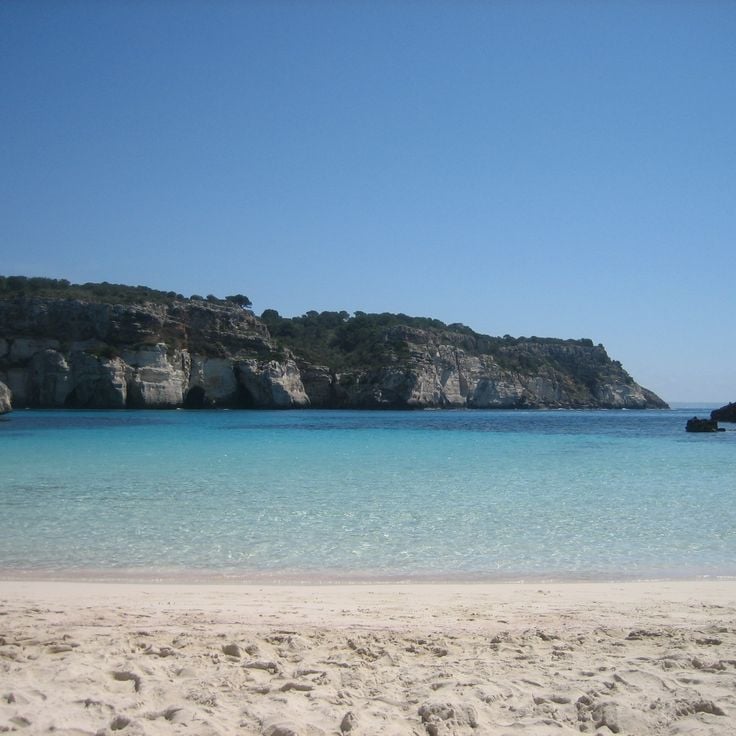
This southern cove represents Menorca's white sand beaches in contrast to the red sands found in the north. Cala Macarella sits between limestone cliffs and offers turquoise waters with a gentle gradient. The fine white sand stretches approximately 330 feet (100 meters) in length, while the cove remains protected by its natural rock formation. A narrow path connects the beach to the smaller neighboring cove of Macarelleta. The water depth increases gradually and allows comfortable swimming in several zones.
This three-kilometer stretch along Menorca's southern coast is the island's longest beach. Son Bou offers shallow waters extending across wide sand flats, along with a dune system at the back. The beachfront features various service facilities including restaurants and sun lounger rentals, while coastal paths at both ends lead to quieter sections. The shallow water and expansive sand make this one of the island's most visited beaches.
This cove sits on the southern coast of Menorca between Cala Galdana and Macarella, showing the characteristic features of the island's protected coastal sections. The sandy beach extends roughly 80 meters (260 feet) between rock walls covered with pine trees. Clear waters reach depths of 10 to 13 feet (3 to 4 meters) near the shore. A trail of about 20 minutes walking time connects the cove with the parking area at Cala Galdana. Restrooms and food services are absent, which maintains the natural character of the site. The cove attracts day visitors, particularly during summer months.
This sheltered cove represents the white sand beaches found along Menorca's southern coast, located west of Ciutadella. Pine trees frame the approximately 330-foot stretch of sand that curves into a narrow bay flanked by rocky outcrops. The clear water reaches depths of 10 to 16 feet (3 to 5 meters) near rock formations that attract snorkelers. A footpath of roughly 2,000 feet (600 meters) leads from the parking area through pine forest to reach the beach. The cove offers no shade on the sand itself, and no permanent facilities operate at the site.
This beach extends 300 meters with white sand and offers shallow water entry plus pine trees providing natural shade at the edges. Son Saura sits on Menorca's southern coast and displays the white sand characteristic of beaches in this region, contrasting with the red sand found along the northern shore. The wide coastal section ranks among the island's longer beaches and provides ample space for visitors exploring Menorca's varied coves and sand stretches.
This beach in Menorca's southeastern coast offers white sand and lies near Sant Lluís. Punta Prima stretches 200 meters (650 feet) along the shore and has restaurants and accommodations within walking distance. The beach belongs to Menorca's southern white sand beaches and provides tourist facilities, while other beaches around the island maintain their natural state.
This beach displays red sand and volcanic rock formations along the bay, representing the color spectrum found across Menorca's coastline. Access requires a 30-minute walk from the nearest parking area, with the path crossing through Mediterranean vegetation. The remoteness means no facilities, with visitors needing to bring water and food. The reddish coloration of the sand comes from iron-rich minerals and contrasts with the turquoise water. Small offshore rock islands provide shelter from waves and create calm areas for swimming.
This beach lies on the southwestern coast of Menorca, four kilometers south of Ciutadella, forming part of the island's diverse shoreline collection. The cove extends 100 meters between limestone formations that frame the pale shore. Water depth increases gradually toward the center while a narrow sand strip runs along the waterline. The beach sits within a residential development and offers basic infrastructure including parking and nearby restaurants. A paved path leads to additional small coves along the western coast. The sheltered position allows swimming even during light winds, though westerly currents occasionally bring in seaweed.
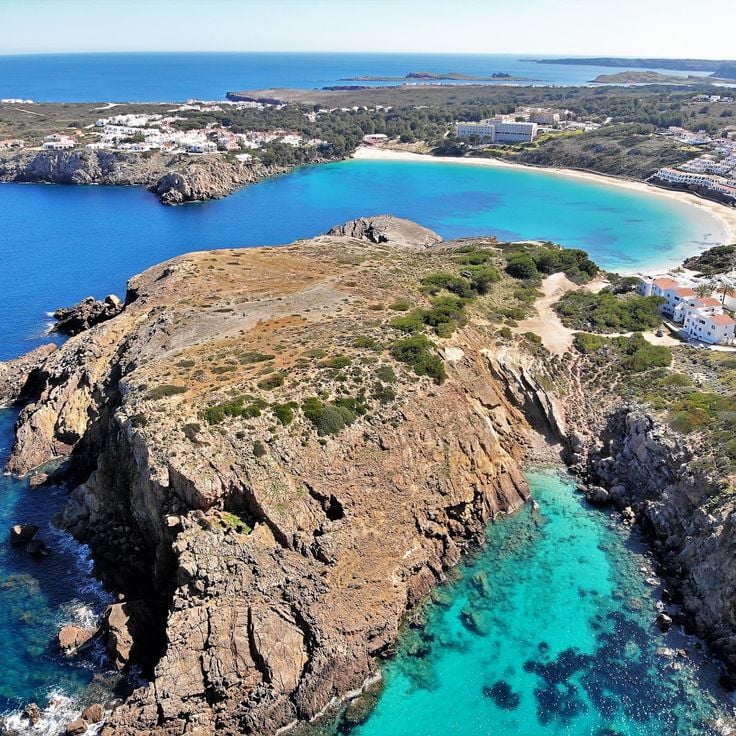
This beach on the north coast stretches for 800 meters with red sand and clear water. Coastal vegetation grows to the shore. Cavalleria displays the typical red sand coloring of Menorca's northern shoreline and offers an alternative to the white sand beaches in the south of the island. The mineral water remains clear even in wind. The natural surroundings are preserved, with no tourist infrastructure directly at the beach.
This sandy beach sits a short walk from Mahón's port and provides basic facilities for visitors. The cove features several restaurants along the waterfront, sanitary facilities and a designated parking area near the access point. The shallow water at the beach extends several yards into the sea, making it suitable for families with young children. Cala Mesquida represents one of the more accessible options among Menorca's beaches, with light-colored sand that differs from the red tones found along the northern coast.
This beach sits within a residential development in southeastern Menorca and features light sand with rocky sections in the water that attract snorkelers. Cala Binibèquer represents the southern coastline's white sand character while combining natural features with the infrastructure of the surrounding development. Parking facilities and restaurants operate in the immediate vicinity.
These twin beaches sit within a protected nature reserve on Menorca's north coast, offering roughly 450 meters of combined shoreline. Pine trees grow right to the water's edge, and wooden boardwalks cross the dune system leading to the sand. The water is shallow and clear, sheltered by the bay formation. The beaches are about a 15-minute walk from the parking area. No facilities exist on site as the area maintains protected status.
This northern cove lies between white limestone rocks and offers basic facilities including changing rooms and toilets. The stony beach contrasts with the sandy stretches found elsewhere on the island and demonstrates the rocky coastal profile of the area. Cala Morell suits visitors seeking sheltered swimming spots among rock formations.
This small sandy beach sits on the south coast between Macarella and Turqueta, displaying the white sand characteristic of Menorca's southern shores. The bay is framed by rock walls, and coastal paths connect Cala d'Es Talaier to neighboring beaches. The water is shallow and clear, and the beach remains in a natural state without facilities. Access is by unpaved roads or on foot from the parking area at Macarella.
This beach extends for roughly 500 feet (150 meters) and sits between wooded slopes on Menorca's southern coast. Access requires a marked walking trail of about 30 minutes from the nearest parking area. The cove displays light sand and clear water, typical of the protected southern beaches on the island. No facilities are available on site, so visitors should bring water and provisions. The trail passes through pine forests and offers views of the coastline. Because of the distance from parking, the beach remains relatively quiet even during high season.
This beach sits on Menorca's southern coast and provides a quiet stretch of sand without tourist facilities. Access requires a marked walking trail of approximately 45 minutes through Mediterranean vegetation and over rocky terrain. Cala Escorxada maintains its natural character through limited accessibility and absence of commercial development. The pale sand contrasts with surrounding rock formations, while the natural setting remains typical of the island's less developed coves. Visitors should bring provisions and sun protection, as no services operate on site.
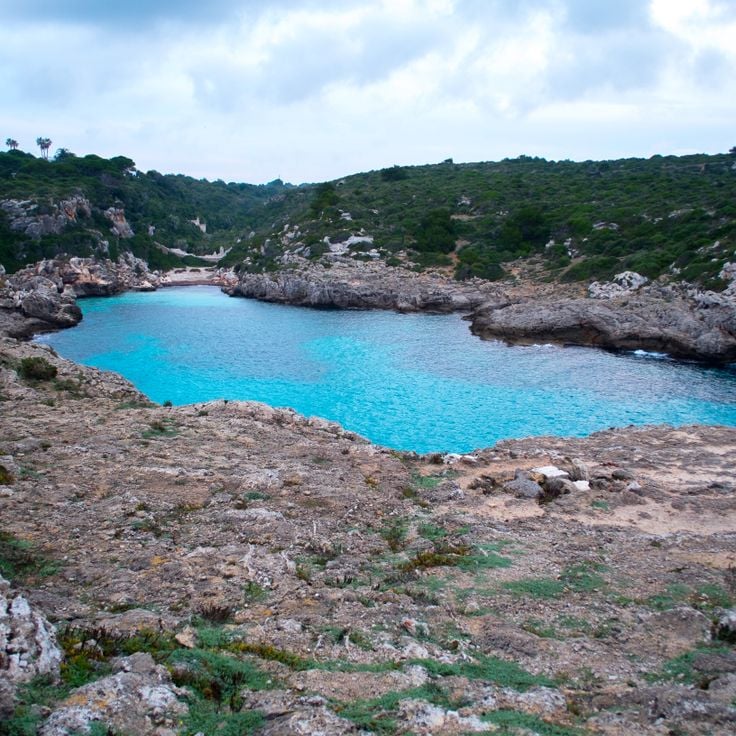
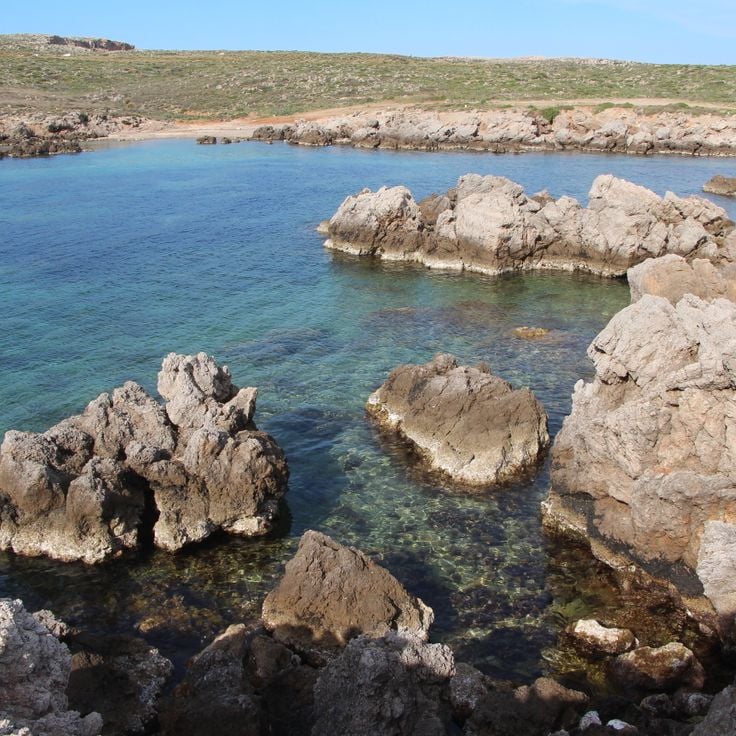
This natural cove combines sand with rocky sections along Menorca's southern coastline. Access requires a 20-minute walk through pine forest. Cala Fustam offers no tourist facilities and maintains its undeveloped character as part of the island's less developed coastal stretch.
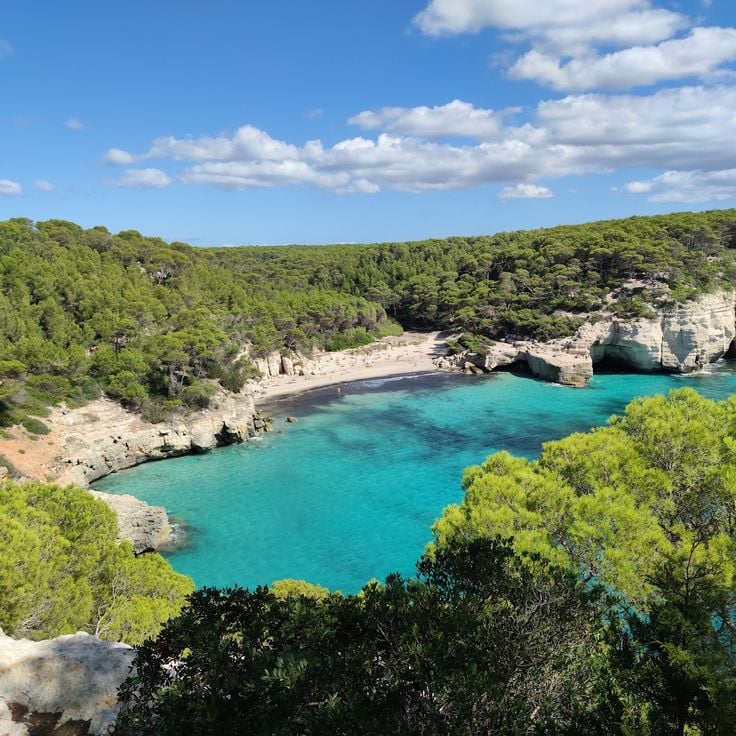
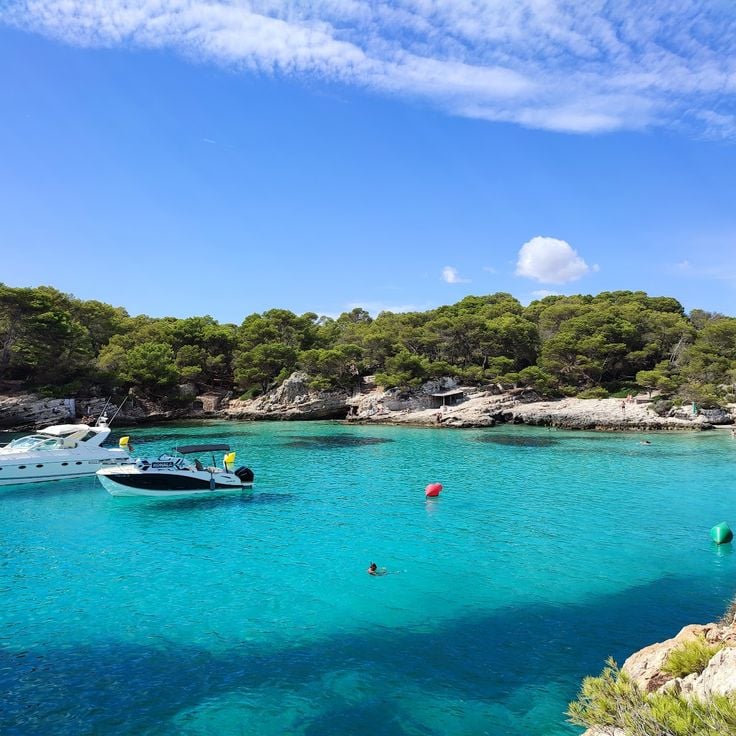
This small sand beach sits next to Cala Mitjana, enclosed by limestone cliffs and pine groves. Reaching the cove requires walking down a stone stairway that begins about 20 minutes on foot from the parking area. The turquoise waters work well for swimming and snorkeling. The cove remains in its natural form without tourist facilities, so visitors should bring water and sun protection. The pale sand and sheltered waters make Cala Mitjaneta a quieter counterpart to neighboring Cala Mitjana.
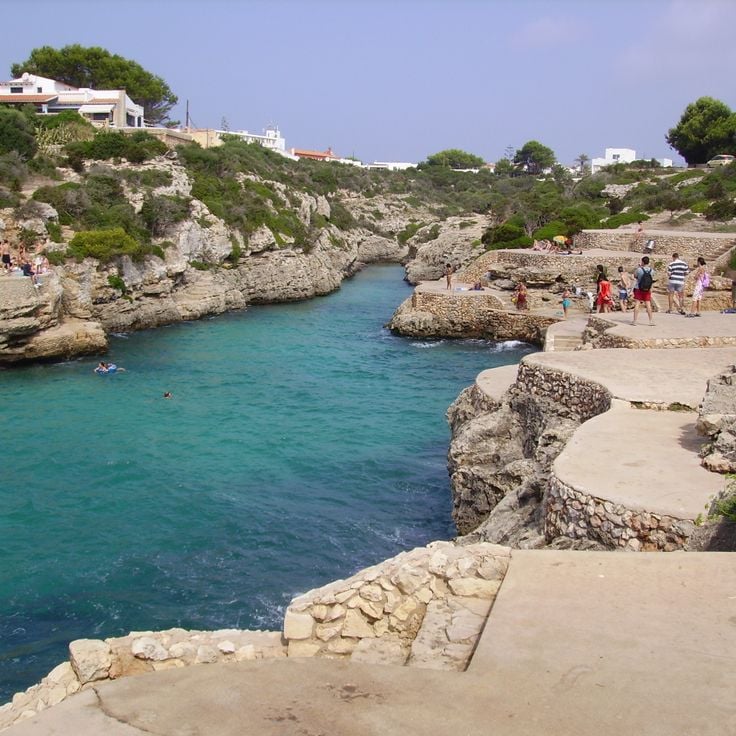
This swimming spot in a residential area provides a concrete platform with ladders that allow access to the sea. The rocky shoreline of Cala en Brut attracts swimmers and snorkelers who jump from the stone base into deep water. Parking is available near the housing development, with several restaurants within walking distance. The cove suits confident swimmers as there is no sandy beach and the water becomes deep quickly.
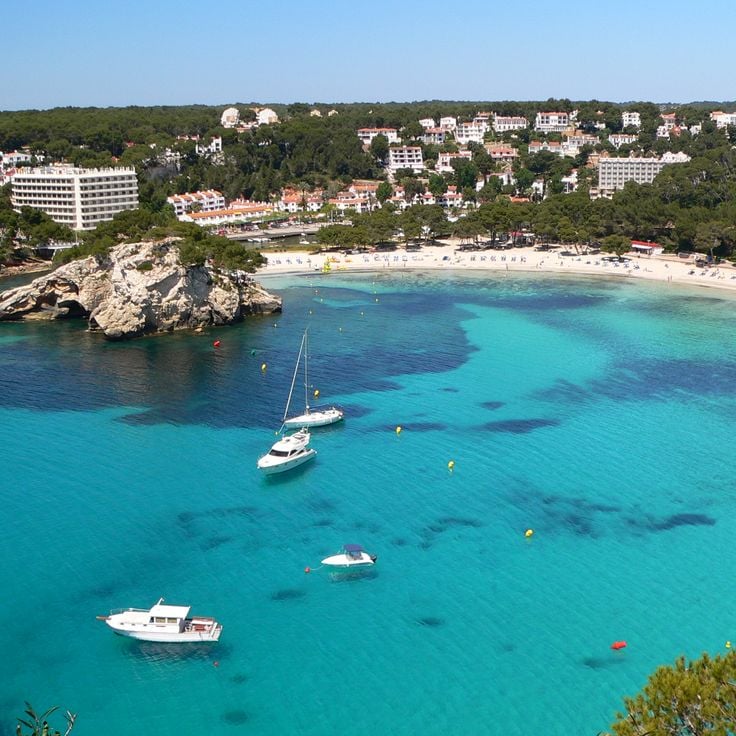
This wide beach on the south coast ranks among the most developed coastal areas on Menorca and exemplifies the white sand beaches characteristic of the southern shore. Cala Galdana sits in a sheltered bay with shallow waters that deepen gradually, making it suitable for families. The infrastructure includes restaurants, shops, parking facilities, restrooms and lifeguard services. Water sports equipment is available for rent on site. The beach is accessible via a paved road and offers full services for visitors seeking a well-equipped beach experience.
This beach extends for one and a half kilometers along Menorca's south coast and shows the typical features of the island's coastal landscape. Binigaus combines light sand with limestone formations and Mediterranean vegetation that reaches down to the shore. The beach sits between more developed coastal sections and provides access to the sea without major tourist infrastructure. As part of Menorca's southern beach sequence, Binigaus adds to the variety of long sand stretches and smaller coves with its natural characteristics.
This cove sits on southeastern Menorca and presents a narrow pebble beach framed by pine forests and rock formations. The clear water and sheltered position make Cala Binidalí a quiet stop for visitors who prefer secluded beaches. The cove has no tourist facilities and remains in its natural state. Access follows a footpath through vegetation, and the limited beach space suits small groups. The mineral water quality and rocky surroundings distinguish this cove from the wide sand beaches found in the southern part of the island.
This beach sits southeast of Es Castell and offers access via an unpaved path through Mediterranean vegetation. The cove shows light sand between rock formations, and the natural surroundings remain largely undeveloped. Visitor facilities are absent, making S'Arenal de s'Avellà a quiet coastal section along Menorca's southern shore, where the white sand quality typical of this region appears.
This cove on the north coast displays the reddish sand characteristic of Menorca's northern shoreline. Monte Toro, the island's highest point at 1,175 feet (358 meters), forms the backdrop. Cala Viola sits secluded between rock walls and reaches depths of about 13 feet (4 meters) in the entry area during calm conditions. Access requires a steep path from the parking area taking approximately 15 minutes. The cove measures roughly 260 feet (80 meters) across and provides no infrastructure or services. North winds create strong currents here.
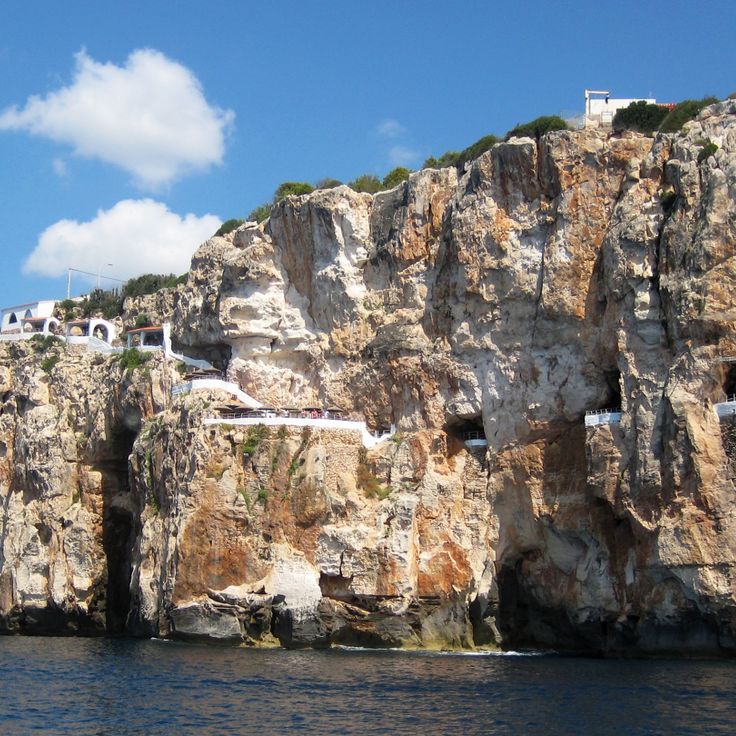
This inlet combines a sandy beach with dramatic cliffs dropping into the Mediterranean. Access descends via stairs to the shore, where rock walls frame the beach. Facilities built into the cliffside provide evening entertainment with direct views across the open sea. The cove sits along Menorca's southern coast between larger sandy stretches, contributing to the island's coastal variety that ranges from long beaches like Son Bou to smaller protected inlets.
This long sandy beach sits within S'Albufera des Grau Natural Park and offers clear, shallow water that remains only waist deep approximately 40 meters from shore. Es Grau represents one of the more accessible beaches in this collection, combining the natural setting of the park with amenities for families. The calm, shallow conditions make the beach particularly suitable for children, while its location within the protected area preserves Mediterranean coastal vegetation and birdlife. The bay is backed by low dunes, and a walking path leads to the nearby lagoon of the natural park.
This small cove sits a few hundred yards east of the larger Cala Macarella and can be reached via a coastal footpath. The white sand contrasts with turquoise water and steep cliffs that surround the cove. Macarelleta belongs to Menorca's southern beaches and displays the characteristic light sand colors of this coast. The cove offers no facilities and remains in its natural state.
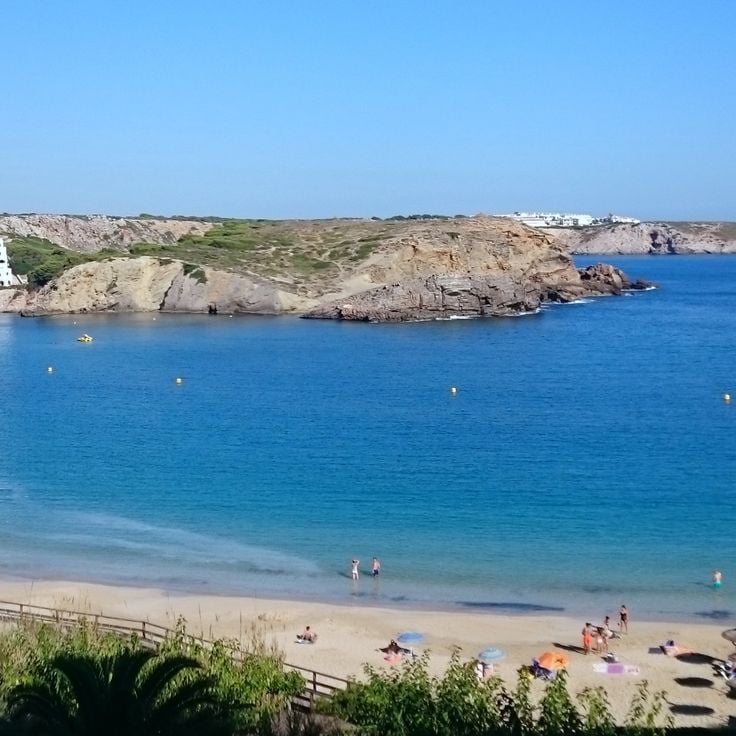
This horseshoe shaped beach extends 650 feet (200 meters) along the northern coast and displays the reddish sand characteristic of Menorca's northern shores. Located in Es Mercadal municipality, Arenal d'en Castell features well developed infrastructure with water sports facilities, making it one of the more serviced examples among the island's varied coastal landscapes. Unlike the secluded southern coves, this beach borders residential areas and provides visitors with amenities including sunbed rentals, restaurants and lifeguards during peak season.
This southern cove represents Menorca's white sand beaches in contrast to the red sands found in the north. Cala Macarella sits between limestone cliffs and offers turquoise waters with a gentle gradient. The fine white sand stretches approximately 330 feet (100 meters) in length, while the cove remains protected by its natural rock formation. A narrow path connects the beach to the smaller neighboring cove of Macarelleta. The water depth increases gradually and allows comfortable swimming in several zones.
This three-kilometer stretch along Menorca's southern coast is the island's longest beach. Son Bou offers shallow waters extending across wide sand flats, along with a dune system at the back. The beachfront features various service facilities including restaurants and sun lounger rentals, while coastal paths at both ends lead to quieter sections. The shallow water and expansive sand make this one of the island's most visited beaches.
This cove sits on the southern coast of Menorca between Cala Galdana and Macarella, showing the characteristic features of the island's protected coastal sections. The sandy beach extends roughly 80 meters (260 feet) between rock walls covered with pine trees. Clear waters reach depths of 10 to 13 feet (3 to 4 meters) near the shore. A trail of about 20 minutes walking time connects the cove with the parking area at Cala Galdana. Restrooms and food services are absent, which maintains the natural character of the site. The cove attracts day visitors, particularly during summer months.
This sheltered cove represents the white sand beaches found along Menorca's southern coast, located west of Ciutadella. Pine trees frame the approximately 330-foot stretch of sand that curves into a narrow bay flanked by rocky outcrops. The clear water reaches depths of 10 to 16 feet (3 to 5 meters) near rock formations that attract snorkelers. A footpath of roughly 2,000 feet (600 meters) leads from the parking area through pine forest to reach the beach. The cove offers no shade on the sand itself, and no permanent facilities operate at the site.
This beach extends 300 meters with white sand and offers shallow water entry plus pine trees providing natural shade at the edges. Son Saura sits on Menorca's southern coast and displays the white sand characteristic of beaches in this region, contrasting with the red sand found along the northern shore. The wide coastal section ranks among the island's longer beaches and provides ample space for visitors exploring Menorca's varied coves and sand stretches.
This beach in Menorca's southeastern coast offers white sand and lies near Sant Lluís. Punta Prima stretches 200 meters (650 feet) along the shore and has restaurants and accommodations within walking distance. The beach belongs to Menorca's southern white sand beaches and provides tourist facilities, while other beaches around the island maintain their natural state.
This beach displays red sand and volcanic rock formations along the bay, representing the color spectrum found across Menorca's coastline. Access requires a 30-minute walk from the nearest parking area, with the path crossing through Mediterranean vegetation. The remoteness means no facilities, with visitors needing to bring water and food. The reddish coloration of the sand comes from iron-rich minerals and contrasts with the turquoise water. Small offshore rock islands provide shelter from waves and create calm areas for swimming.
This beach lies on the southwestern coast of Menorca, four kilometers south of Ciutadella, forming part of the island's diverse shoreline collection. The cove extends 100 meters between limestone formations that frame the pale shore. Water depth increases gradually toward the center while a narrow sand strip runs along the waterline. The beach sits within a residential development and offers basic infrastructure including parking and nearby restaurants. A paved path leads to additional small coves along the western coast. The sheltered position allows swimming even during light winds, though westerly currents occasionally bring in seaweed.
This beach on the north coast stretches for 800 meters with red sand and clear water. Coastal vegetation grows to the shore. Cavalleria displays the typical red sand coloring of Menorca's northern shoreline and offers an alternative to the white sand beaches in the south of the island. The mineral water remains clear even in wind. The natural surroundings are preserved, with no tourist infrastructure directly at the beach.
This sandy beach sits a short walk from Mahón's port and provides basic facilities for visitors. The cove features several restaurants along the waterfront, sanitary facilities and a designated parking area near the access point. The shallow water at the beach extends several yards into the sea, making it suitable for families with young children. Cala Mesquida represents one of the more accessible options among Menorca's beaches, with light-colored sand that differs from the red tones found along the northern coast.
This beach sits within a residential development in southeastern Menorca and features light sand with rocky sections in the water that attract snorkelers. Cala Binibèquer represents the southern coastline's white sand character while combining natural features with the infrastructure of the surrounding development. Parking facilities and restaurants operate in the immediate vicinity.
These twin beaches sit within a protected nature reserve on Menorca's north coast, offering roughly 450 meters of combined shoreline. Pine trees grow right to the water's edge, and wooden boardwalks cross the dune system leading to the sand. The water is shallow and clear, sheltered by the bay formation. The beaches are about a 15-minute walk from the parking area. No facilities exist on site as the area maintains protected status.
This northern cove lies between white limestone rocks and offers basic facilities including changing rooms and toilets. The stony beach contrasts with the sandy stretches found elsewhere on the island and demonstrates the rocky coastal profile of the area. Cala Morell suits visitors seeking sheltered swimming spots among rock formations.
This small sandy beach sits on the south coast between Macarella and Turqueta, displaying the white sand characteristic of Menorca's southern shores. The bay is framed by rock walls, and coastal paths connect Cala d'Es Talaier to neighboring beaches. The water is shallow and clear, and the beach remains in a natural state without facilities. Access is by unpaved roads or on foot from the parking area at Macarella.
This beach extends for roughly 500 feet (150 meters) and sits between wooded slopes on Menorca's southern coast. Access requires a marked walking trail of about 30 minutes from the nearest parking area. The cove displays light sand and clear water, typical of the protected southern beaches on the island. No facilities are available on site, so visitors should bring water and provisions. The trail passes through pine forests and offers views of the coastline. Because of the distance from parking, the beach remains relatively quiet even during high season.
This beach sits on Menorca's southern coast and provides a quiet stretch of sand without tourist facilities. Access requires a marked walking trail of approximately 45 minutes through Mediterranean vegetation and over rocky terrain. Cala Escorxada maintains its natural character through limited accessibility and absence of commercial development. The pale sand contrasts with surrounding rock formations, while the natural setting remains typical of the island's less developed coves. Visitors should bring provisions and sun protection, as no services operate on site.
This natural cove combines sand with rocky sections along Menorca's southern coastline. Access requires a 20-minute walk through pine forest. Cala Fustam offers no tourist facilities and maintains its undeveloped character as part of the island's less developed coastal stretch.
This small sand beach sits next to Cala Mitjana, enclosed by limestone cliffs and pine groves. Reaching the cove requires walking down a stone stairway that begins about 20 minutes on foot from the parking area. The turquoise waters work well for swimming and snorkeling. The cove remains in its natural form without tourist facilities, so visitors should bring water and sun protection. The pale sand and sheltered waters make Cala Mitjaneta a quieter counterpart to neighboring Cala Mitjana.
This swimming spot in a residential area provides a concrete platform with ladders that allow access to the sea. The rocky shoreline of Cala en Brut attracts swimmers and snorkelers who jump from the stone base into deep water. Parking is available near the housing development, with several restaurants within walking distance. The cove suits confident swimmers as there is no sandy beach and the water becomes deep quickly.
This wide beach on the south coast ranks among the most developed coastal areas on Menorca and exemplifies the white sand beaches characteristic of the southern shore. Cala Galdana sits in a sheltered bay with shallow waters that deepen gradually, making it suitable for families. The infrastructure includes restaurants, shops, parking facilities, restrooms and lifeguard services. Water sports equipment is available for rent on site. The beach is accessible via a paved road and offers full services for visitors seeking a well-equipped beach experience.
This beach extends for one and a half kilometers along Menorca's south coast and shows the typical features of the island's coastal landscape. Binigaus combines light sand with limestone formations and Mediterranean vegetation that reaches down to the shore. The beach sits between more developed coastal sections and provides access to the sea without major tourist infrastructure. As part of Menorca's southern beach sequence, Binigaus adds to the variety of long sand stretches and smaller coves with its natural characteristics.
This cove sits on southeastern Menorca and presents a narrow pebble beach framed by pine forests and rock formations. The clear water and sheltered position make Cala Binidalí a quiet stop for visitors who prefer secluded beaches. The cove has no tourist facilities and remains in its natural state. Access follows a footpath through vegetation, and the limited beach space suits small groups. The mineral water quality and rocky surroundings distinguish this cove from the wide sand beaches found in the southern part of the island.
This beach sits southeast of Es Castell and offers access via an unpaved path through Mediterranean vegetation. The cove shows light sand between rock formations, and the natural surroundings remain largely undeveloped. Visitor facilities are absent, making S'Arenal de s'Avellà a quiet coastal section along Menorca's southern shore, where the white sand quality typical of this region appears.
This cove on the north coast displays the reddish sand characteristic of Menorca's northern shoreline. Monte Toro, the island's highest point at 1,175 feet (358 meters), forms the backdrop. Cala Viola sits secluded between rock walls and reaches depths of about 13 feet (4 meters) in the entry area during calm conditions. Access requires a steep path from the parking area taking approximately 15 minutes. The cove measures roughly 260 feet (80 meters) across and provides no infrastructure or services. North winds create strong currents here.
This inlet combines a sandy beach with dramatic cliffs dropping into the Mediterranean. Access descends via stairs to the shore, where rock walls frame the beach. Facilities built into the cliffside provide evening entertainment with direct views across the open sea. The cove sits along Menorca's southern coast between larger sandy stretches, contributing to the island's coastal variety that ranges from long beaches like Son Bou to smaller protected inlets.
This long sandy beach sits within S'Albufera des Grau Natural Park and offers clear, shallow water that remains only waist deep approximately 40 meters from shore. Es Grau represents one of the more accessible beaches in this collection, combining the natural setting of the park with amenities for families. The calm, shallow conditions make the beach particularly suitable for children, while its location within the protected area preserves Mediterranean coastal vegetation and birdlife. The bay is backed by low dunes, and a walking path leads to the nearby lagoon of the natural park.
This small cove sits a few hundred yards east of the larger Cala Macarella and can be reached via a coastal footpath. The white sand contrasts with turquoise water and steep cliffs that surround the cove. Macarelleta belongs to Menorca's southern beaches and displays the characteristic light sand colors of this coast. The cove offers no facilities and remains in its natural state.
This horseshoe shaped beach extends 650 feet (200 meters) along the northern coast and displays the reddish sand characteristic of Menorca's northern shores. Located in Es Mercadal municipality, Arenal d'en Castell features well developed infrastructure with water sports facilities, making it one of the more serviced examples among the island's varied coastal landscapes. Unlike the secluded southern coves, this beach borders residential areas and provides visitors with amenities including sunbed rentals, restaurants and lifeguards during peak season.
This southern cove represents Menorca's white sand beaches in contrast to the red sands found in the north. Cala Macarella sits between limestone cliffs and offers turquoise waters with a gentle gradient. The fine white sand stretches approximately 330 feet (100 meters) in length, while the cove remains protected by its natural rock formation. A narrow path connects the beach to the smaller neighboring cove of Macarelleta. The water depth increases gradually and allows comfortable swimming in several zones.
This three-kilometer stretch along Menorca's southern coast is the island's longest beach. Son Bou offers shallow waters extending across wide sand flats, along with a dune system at the back. The beachfront features various service facilities including restaurants and sun lounger rentals, while coastal paths at both ends lead to quieter sections. The shallow water and expansive sand make this one of the island's most visited beaches.
This cove sits on the southern coast of Menorca between Cala Galdana and Macarella, showing the characteristic features of the island's protected coastal sections. The sandy beach extends roughly 80 meters (260 feet) between rock walls covered with pine trees. Clear waters reach depths of 10 to 13 feet (3 to 4 meters) near the shore. A trail of about 20 minutes walking time connects the cove with the parking area at Cala Galdana. Restrooms and food services are absent, which maintains the natural character of the site. The cove attracts day visitors, particularly during summer months.
This sheltered cove represents the white sand beaches found along Menorca's southern coast, located west of Ciutadella. Pine trees frame the approximately 330-foot stretch of sand that curves into a narrow bay flanked by rocky outcrops. The clear water reaches depths of 10 to 16 feet (3 to 5 meters) near rock formations that attract snorkelers. A footpath of roughly 2,000 feet (600 meters) leads from the parking area through pine forest to reach the beach. The cove offers no shade on the sand itself, and no permanent facilities operate at the site.
This beach extends 300 meters with white sand and offers shallow water entry plus pine trees providing natural shade at the edges. Son Saura sits on Menorca's southern coast and displays the white sand characteristic of beaches in this region, contrasting with the red sand found along the northern shore. The wide coastal section ranks among the island's longer beaches and provides ample space for visitors exploring Menorca's varied coves and sand stretches.
This beach in Menorca's southeastern coast offers white sand and lies near Sant Lluís. Punta Prima stretches 200 meters (650 feet) along the shore and has restaurants and accommodations within walking distance. The beach belongs to Menorca's southern white sand beaches and provides tourist facilities, while other beaches around the island maintain their natural state.
This beach displays red sand and volcanic rock formations along the bay, representing the color spectrum found across Menorca's coastline. Access requires a 30-minute walk from the nearest parking area, with the path crossing through Mediterranean vegetation. The remoteness means no facilities, with visitors needing to bring water and food. The reddish coloration of the sand comes from iron-rich minerals and contrasts with the turquoise water. Small offshore rock islands provide shelter from waves and create calm areas for swimming.
This beach lies on the southwestern coast of Menorca, four kilometers south of Ciutadella, forming part of the island's diverse shoreline collection. The cove extends 100 meters between limestone formations that frame the pale shore. Water depth increases gradually toward the center while a narrow sand strip runs along the waterline. The beach sits within a residential development and offers basic infrastructure including parking and nearby restaurants. A paved path leads to additional small coves along the western coast. The sheltered position allows swimming even during light winds, though westerly currents occasionally bring in seaweed.
This beach on the north coast stretches for 800 meters with red sand and clear water. Coastal vegetation grows to the shore. Cavalleria displays the typical red sand coloring of Menorca's northern shoreline and offers an alternative to the white sand beaches in the south of the island. The mineral water remains clear even in wind. The natural surroundings are preserved, with no tourist infrastructure directly at the beach.
This sandy beach sits a short walk from Mahón's port and provides basic facilities for visitors. The cove features several restaurants along the waterfront, sanitary facilities and a designated parking area near the access point. The shallow water at the beach extends several yards into the sea, making it suitable for families with young children. Cala Mesquida represents one of the more accessible options among Menorca's beaches, with light-colored sand that differs from the red tones found along the northern coast.
This beach sits within a residential development in southeastern Menorca and features light sand with rocky sections in the water that attract snorkelers. Cala Binibèquer represents the southern coastline's white sand character while combining natural features with the infrastructure of the surrounding development. Parking facilities and restaurants operate in the immediate vicinity.
These twin beaches sit within a protected nature reserve on Menorca's north coast, offering roughly 450 meters of combined shoreline. Pine trees grow right to the water's edge, and wooden boardwalks cross the dune system leading to the sand. The water is shallow and clear, sheltered by the bay formation. The beaches are about a 15-minute walk from the parking area. No facilities exist on site as the area maintains protected status.
This northern cove lies between white limestone rocks and offers basic facilities including changing rooms and toilets. The stony beach contrasts with the sandy stretches found elsewhere on the island and demonstrates the rocky coastal profile of the area. Cala Morell suits visitors seeking sheltered swimming spots among rock formations.
This small sandy beach sits on the south coast between Macarella and Turqueta, displaying the white sand characteristic of Menorca's southern shores. The bay is framed by rock walls, and coastal paths connect Cala d'Es Talaier to neighboring beaches. The water is shallow and clear, and the beach remains in a natural state without facilities. Access is by unpaved roads or on foot from the parking area at Macarella.
This beach extends for roughly 500 feet (150 meters) and sits between wooded slopes on Menorca's southern coast. Access requires a marked walking trail of about 30 minutes from the nearest parking area. The cove displays light sand and clear water, typical of the protected southern beaches on the island. No facilities are available on site, so visitors should bring water and provisions. The trail passes through pine forests and offers views of the coastline. Because of the distance from parking, the beach remains relatively quiet even during high season.
This beach sits on Menorca's southern coast and provides a quiet stretch of sand without tourist facilities. Access requires a marked walking trail of approximately 45 minutes through Mediterranean vegetation and over rocky terrain. Cala Escorxada maintains its natural character through limited accessibility and absence of commercial development. The pale sand contrasts with surrounding rock formations, while the natural setting remains typical of the island's less developed coves. Visitors should bring provisions and sun protection, as no services operate on site.
This natural cove combines sand with rocky sections along Menorca's southern coastline. Access requires a 20-minute walk through pine forest. Cala Fustam offers no tourist facilities and maintains its undeveloped character as part of the island's less developed coastal stretch.
This small sand beach sits next to Cala Mitjana, enclosed by limestone cliffs and pine groves. Reaching the cove requires walking down a stone stairway that begins about 20 minutes on foot from the parking area. The turquoise waters work well for swimming and snorkeling. The cove remains in its natural form without tourist facilities, so visitors should bring water and sun protection. The pale sand and sheltered waters make Cala Mitjaneta a quieter counterpart to neighboring Cala Mitjana.
This swimming spot in a residential area provides a concrete platform with ladders that allow access to the sea. The rocky shoreline of Cala en Brut attracts swimmers and snorkelers who jump from the stone base into deep water. Parking is available near the housing development, with several restaurants within walking distance. The cove suits confident swimmers as there is no sandy beach and the water becomes deep quickly.
This wide beach on the south coast ranks among the most developed coastal areas on Menorca and exemplifies the white sand beaches characteristic of the southern shore. Cala Galdana sits in a sheltered bay with shallow waters that deepen gradually, making it suitable for families. The infrastructure includes restaurants, shops, parking facilities, restrooms and lifeguard services. Water sports equipment is available for rent on site. The beach is accessible via a paved road and offers full services for visitors seeking a well-equipped beach experience.
This beach extends for one and a half kilometers along Menorca's south coast and shows the typical features of the island's coastal landscape. Binigaus combines light sand with limestone formations and Mediterranean vegetation that reaches down to the shore. The beach sits between more developed coastal sections and provides access to the sea without major tourist infrastructure. As part of Menorca's southern beach sequence, Binigaus adds to the variety of long sand stretches and smaller coves with its natural characteristics.
This cove sits on southeastern Menorca and presents a narrow pebble beach framed by pine forests and rock formations. The clear water and sheltered position make Cala Binidalí a quiet stop for visitors who prefer secluded beaches. The cove has no tourist facilities and remains in its natural state. Access follows a footpath through vegetation, and the limited beach space suits small groups. The mineral water quality and rocky surroundings distinguish this cove from the wide sand beaches found in the southern part of the island.
This beach sits southeast of Es Castell and offers access via an unpaved path through Mediterranean vegetation. The cove shows light sand between rock formations, and the natural surroundings remain largely undeveloped. Visitor facilities are absent, making S'Arenal de s'Avellà a quiet coastal section along Menorca's southern shore, where the white sand quality typical of this region appears.
This cove on the north coast displays the reddish sand characteristic of Menorca's northern shoreline. Monte Toro, the island's highest point at 1,175 feet (358 meters), forms the backdrop. Cala Viola sits secluded between rock walls and reaches depths of about 13 feet (4 meters) in the entry area during calm conditions. Access requires a steep path from the parking area taking approximately 15 minutes. The cove measures roughly 260 feet (80 meters) across and provides no infrastructure or services. North winds create strong currents here.
This inlet combines a sandy beach with dramatic cliffs dropping into the Mediterranean. Access descends via stairs to the shore, where rock walls frame the beach. Facilities built into the cliffside provide evening entertainment with direct views across the open sea. The cove sits along Menorca's southern coast between larger sandy stretches, contributing to the island's coastal variety that ranges from long beaches like Son Bou to smaller protected inlets.
This long sandy beach sits within S'Albufera des Grau Natural Park and offers clear, shallow water that remains only waist deep approximately 40 meters from shore. Es Grau represents one of the more accessible beaches in this collection, combining the natural setting of the park with amenities for families. The calm, shallow conditions make the beach particularly suitable for children, while its location within the protected area preserves Mediterranean coastal vegetation and birdlife. The bay is backed by low dunes, and a walking path leads to the nearby lagoon of the natural park.
This small cove sits a few hundred yards east of the larger Cala Macarella and can be reached via a coastal footpath. The white sand contrasts with turquoise water and steep cliffs that surround the cove. Macarelleta belongs to Menorca's southern beaches and displays the characteristic light sand colors of this coast. The cove offers no facilities and remains in its natural state.
This horseshoe shaped beach extends 650 feet (200 meters) along the northern coast and displays the reddish sand characteristic of Menorca's northern shores. Located in Es Mercadal municipality, Arenal d'en Castell features well developed infrastructure with water sports facilities, making it one of the more serviced examples among the island's varied coastal landscapes. Unlike the secluded southern coves, this beach borders residential areas and provides visitors with amenities including sunbed rentals, restaurants and lifeguards during peak season.