Cala Macarella

Log in to your account

AroundUs is a community-driven map of interesting places, built by curious explorers like you. It grows with every review, story, and photo you share.
Connect to save your favorite spots, contribute locations, and create personalized routes.
By continuing, you accept our Terms and Conditions and our Privacy Policy

Cala Macarella

Add to collection
Map
Suggest a change
Share

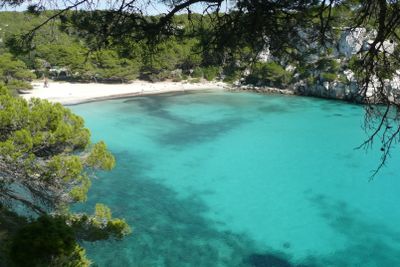
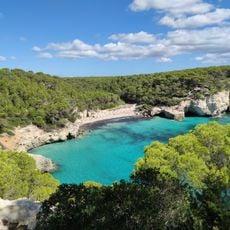
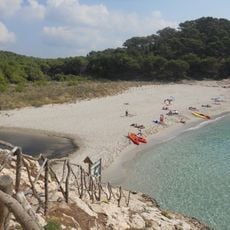
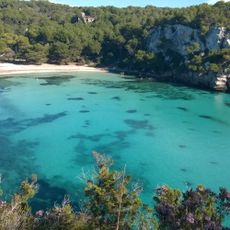
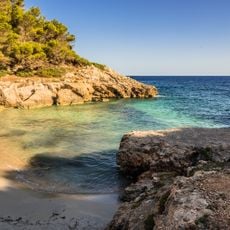
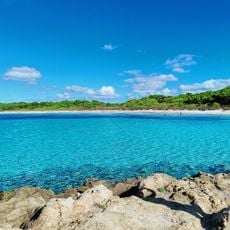
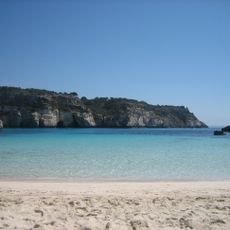
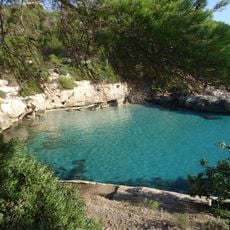
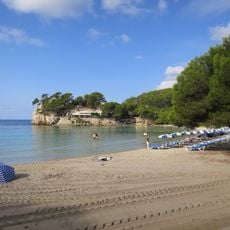
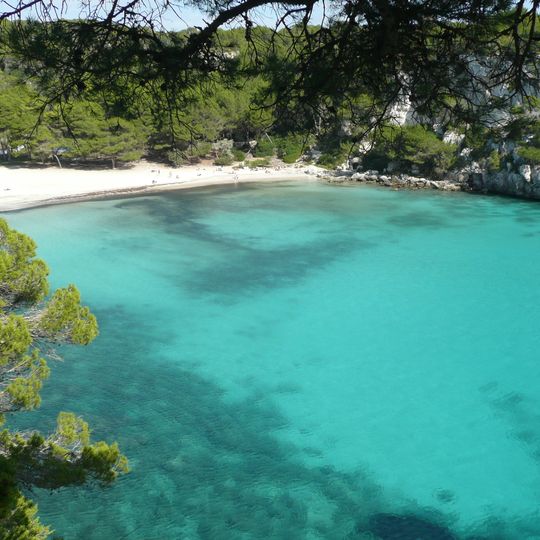
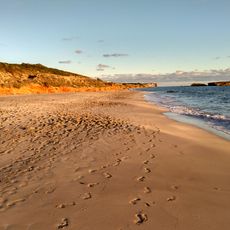
Cala Macarella, White sand beach in Ciutadella de Menorca, Spain.

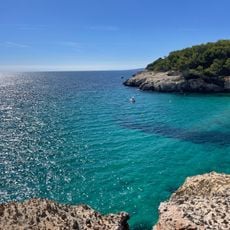
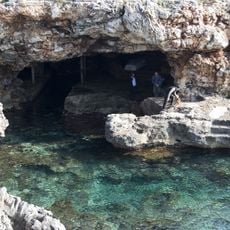
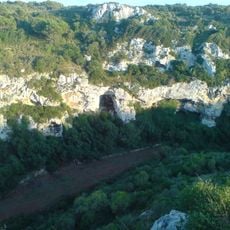
The beach stretches 105 meters long and 75 meters wide, with limestone cliffs covered in pine trees forming a natural barrier around the turquoise waters.

The protected status of Cala Macarella stands as a testament to local conservation efforts aimed at maintaining the natural state of Menorca's coastal areas.

The beach represents the dual nature of Menorcan coastal spaces, where regulated tourist areas coexist with preserved natural Mediterranean landscapes.

Visitors can reach the beach via Line 69 bus from Ciutadella, which operates regularly during summer months with a journey time of 40 minutes.

The neighboring Cala Macarelleta connects to Macarella through a coastal path that reveals Mediterranean pine forests and limestone formations.

Location: Ciutadella de Menorca

Elevation above the sea: 14 m

Length: 105 m

Width: 75 m

GPS coordinates: 39.93810,3.93700

Latest update: March 6, 2025 09:51

Beaches in Spain: Canary Islands, Balearic Islands, Cantabria

Spain's coastlines present a wide variety of beaches, from the white sand shores of the Balearic Islands to the rocky coves of Cantabria along the Atlantic. This collection includes beaches such as Playa de Rodas in the Cíes Islands, the urban beach of La Concha in San Sebastián, and the secluded coves of Formentera including Ses Illetes and Cala Saona. In Andalusia, beaches like Playa de Bolonia near Tarifa feature Roman ruins nearby, while the volcanic landscapes of Cabo de Gata showcase Los Genoveses and Playa de Monsul. The Asturian coast displays natural formations such as Gulpiyuri, a beach enclosed within cliffs, and Playa del Silencio. The Canary Islands offer diverse beach types, from the golden sands of Las Teresitas in Tenerife to the expansive shores of Sotavento in Fuerteventura. This selection documents the geographic and geological range of Spanish beaches and provides practical information about location, access, and local features of each site.

Menorca beaches from red to white sand

Menorca offers remarkable coastal diversity. The island's 200-plus coves and beaches range from long sand stretches like Son Bou, Menorca's largest beach at roughly 1.5 miles (2.4 kilometers), to small secluded coves like Cala Mitjana and Cala Mitjaneta. The northern coast presents reddish sand of volcanic origin at beaches like Cavalleria and Cala Pregonda, while the southern coast displays white sand and turquoise waters at places like Macarella and Turqueta. This geological divide makes the island an appealing destination for visitors seeking varied coastal environments. Some beaches like Punta Prima, Cala Galdana, and Arenal d'en Castell provide full facilities with restaurants, sunbed rentals, and water sports. Others like Cala de Trebalúger, Cala Escorxada, and Binigaus remain natural and undeveloped, accessible via coastal walking trails through Mediterranean vegetation. The sheltered position of most coves ensures calm waters suitable for swimming and snorkeling. Son Bou includes wetlands behind the beach and early Christian basilica ruins. Menorca's coastal variety, from the red cliffs at Cala Morell to the white sands at Son Saura, reflects the island's status as a UNESCO Biosphere Reserve and provides options for different preferences.

Beaches of Spain: Mediterranean, Atlantic coastlines and Balearic and Canary Islands

Spain has more than 8,000 kilometers of coastlines home to hundreds of beaches with diverse characteristics. The Mediterranean, Atlantic, Balearic Islands, and Canary Islands feature contrasting marine scenery: coves sheltered between cliffs, extensive sandy areas, urban beaches, and protected natural zones. Each coastal region has developed its own identity influenced by local geology and climate. The Balearic Islands include bays like Cala Macarella in Menorca or Ses Illetes in Formentera, where white sand contrasts with clear Mediterranean waters. The Canary Islands display volcanic landscapes, with the Maspalomas dunes on Gran Canaria stretching over 6 kilometers, or Lanzarote’s red cliffs framing Playa del Papagayo. Along the Andalusian coast, the Cabo de Gata Natural Park houses Mónsul Beach with its black volcanic formations, while Bolonia near Tarifa features a 4-kilometer-long beach with Roman remains. The northern coast presents a different scene: La Concha urban beach in San Sebastián forms a 1.5-kilometer arc, the limestone cliffs of Asturias protect Playa del Silencio, and the Cíes Islands in Galicia are part of a marine national park.

Reviews

Visited this place? Tap the stars to rate it and share your experience / photos with the community! Try now! You can cancel it anytime.

« Cala Macarella - White sand beach in Ciutadella de Menorca, Spain » is provided by Around Us (aroundus.com). Images and texts are derived from Wikimedia project under a Creative Commons license. You are allowed to copy, distribute, and modify copies of this page, under the conditions set by the license, as long as this note is clearly visible.

Discover hidden gems everywhere you go!

From secret cafés to breathtaking viewpoints, skip the crowded tourist spots and find places that match your style. Our app makes it easy with voice search, smart filtering, route optimization, and insider tips from travelers worldwide. Download now for the complete mobile experience.
Around Us App Screenshot

A unique approach to discovering new places

Le Figaro

All the places worth exploring

France Info

A tailor-made excursion in just a few clicks

20 Minutes