See the monuments around you in AROpen chests in the app
Around Us is built for your phone — point your camera at the streets and discover the monuments and places around you in augmented reality.Around Us is built for your phone — chests unlock when you walk, explore and capture nearby places.
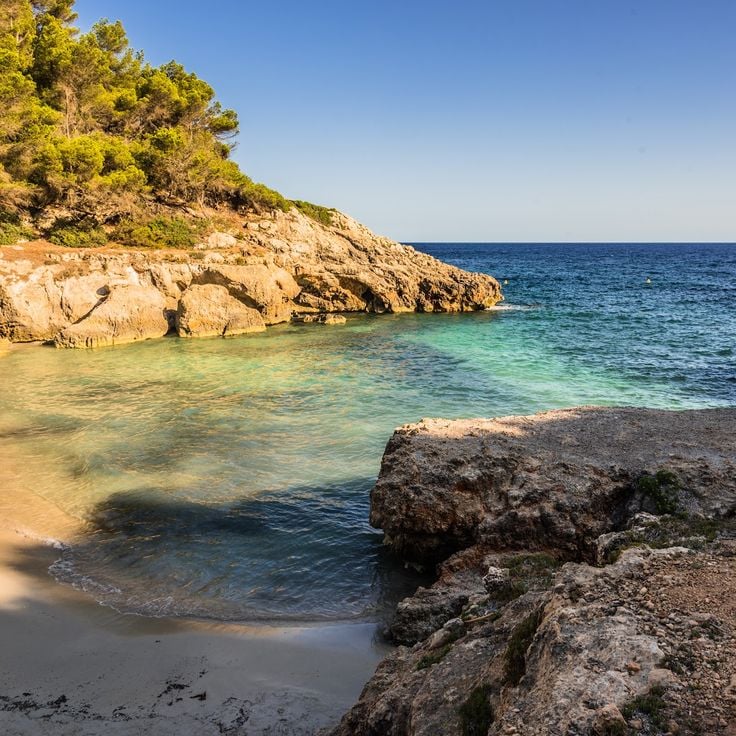
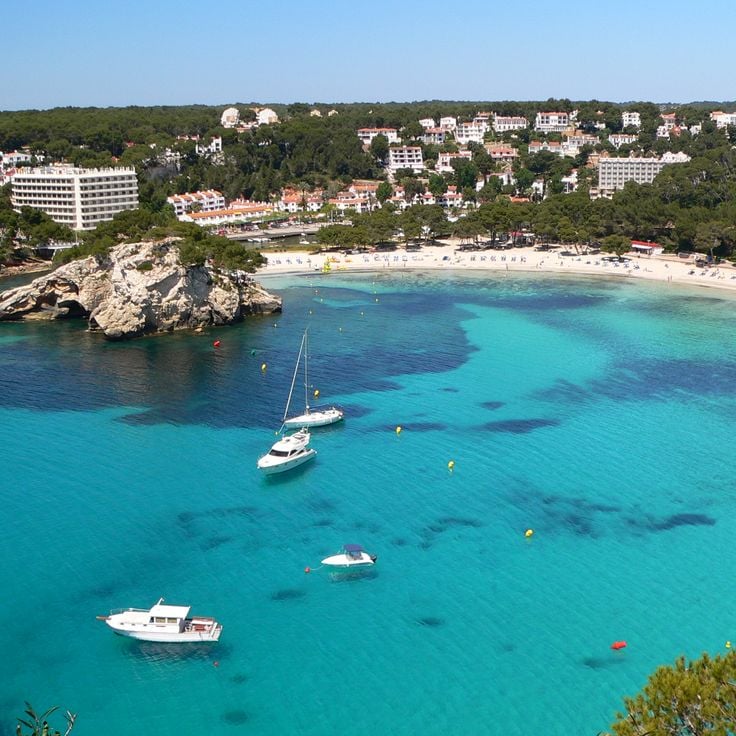
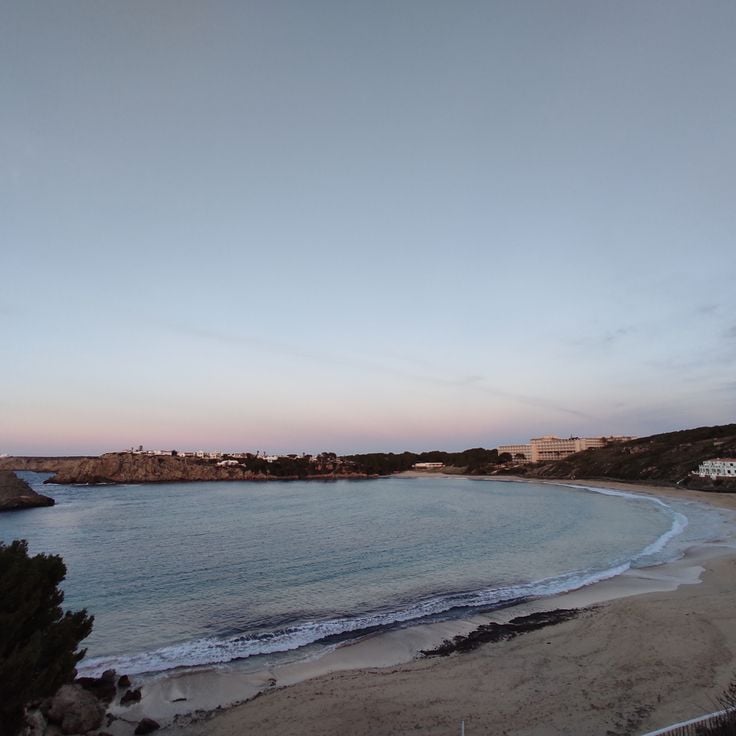
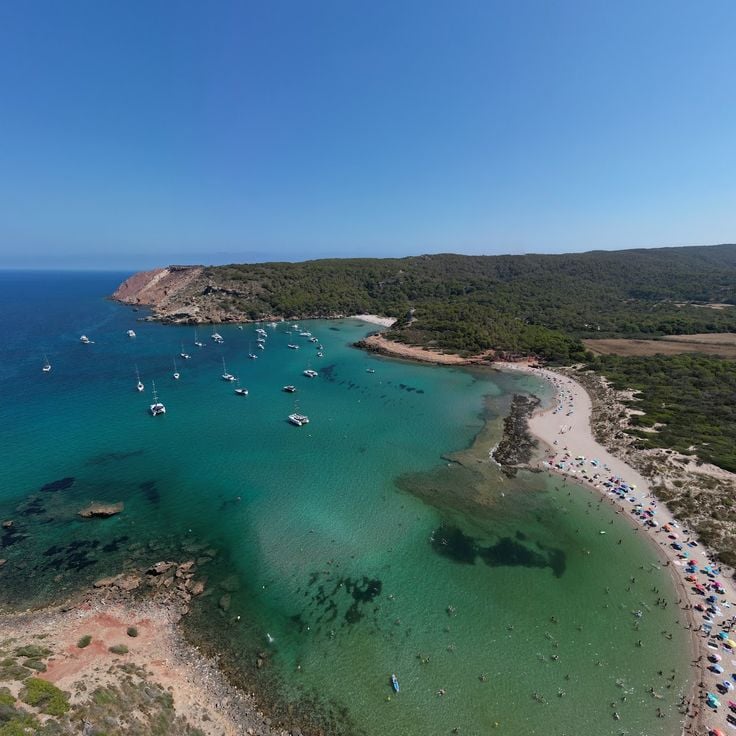
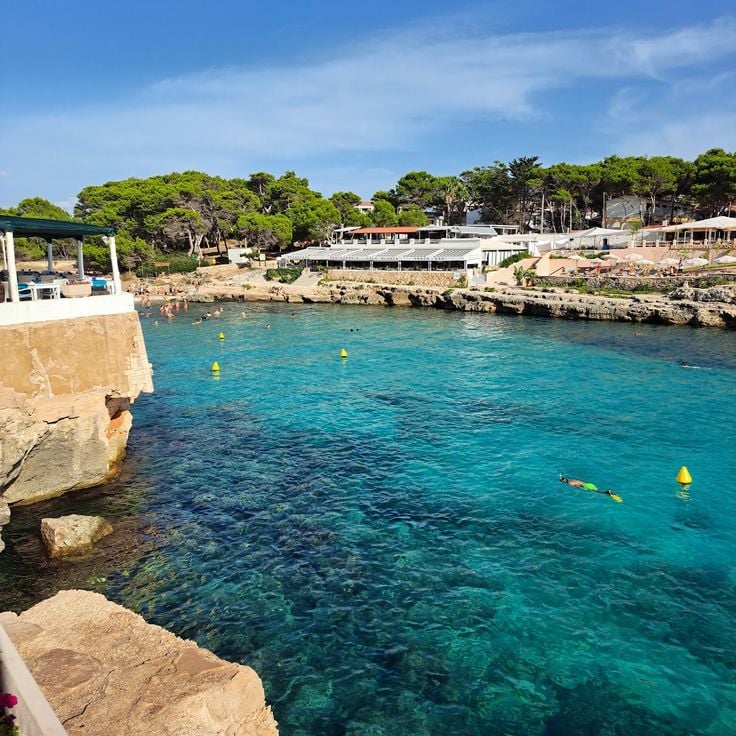
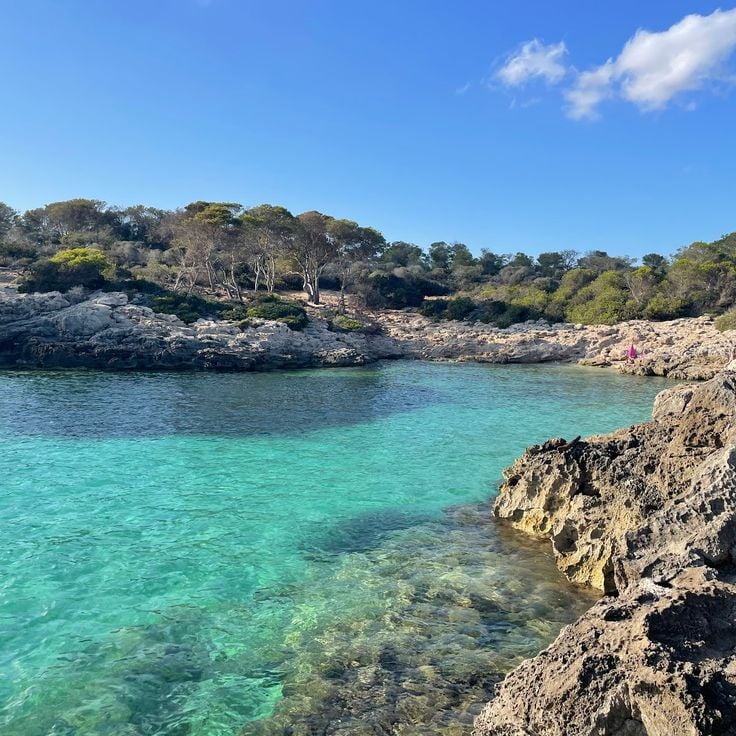
Menorca's beaches draw visitors with their clear turquoise waters and soft sand that stretches along the coast. The shoreline shifts between quiet coves tucked into rocky cliffs and long open beaches perfect for swimming. Some of these places require effort to reach, whether by hiking down steep paths or driving on narrow roads, but once you arrive, the setting rewards that journey. Beyond the beaches, the island offers much to discover: old ports with colorful fishing boats, walking trails that follow the coastline, small villages where locals still gather in the afternoons, and stretches of untouched nature where few people venture.
Menorca's beaches draw visitors with their clear turquoise waters and soft sand that stretches along the coast. The shoreline shifts between quiet coves tucked into rocky cliffs and long open beaches perfect for swimming. Some of these places require effort to reach, whether by hiking down steep paths or driving on narrow roads, but once you arrive, the setting rewards that journey. Beyond the beaches, the island offers much to discover: old ports with colorful fishing boats, walking trails that follow the coastline, small villages where locals still gather in the afternoons, and stretches of untouched nature where few people venture.
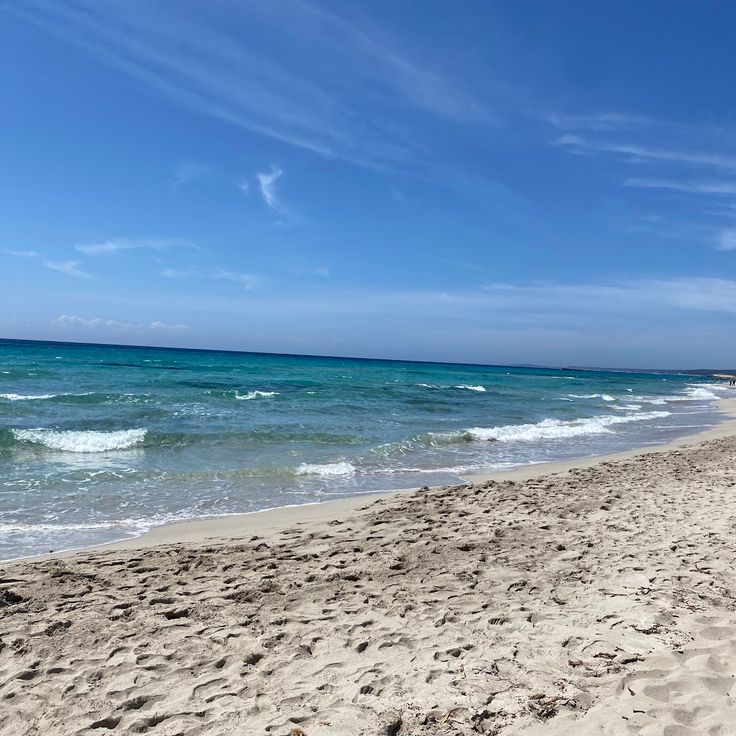
This beach is the longest on the island, stretching along the south coast for several kilometers. Shallow waters and lifeguard services make it safe for swimming. It fits well into Menorca's beach profile: a place with soft sand and clear water where visitors can easily enter the sea without needing steep hikes or difficult access roads. It works well for families and anyone wanting a comfortable day by the water.
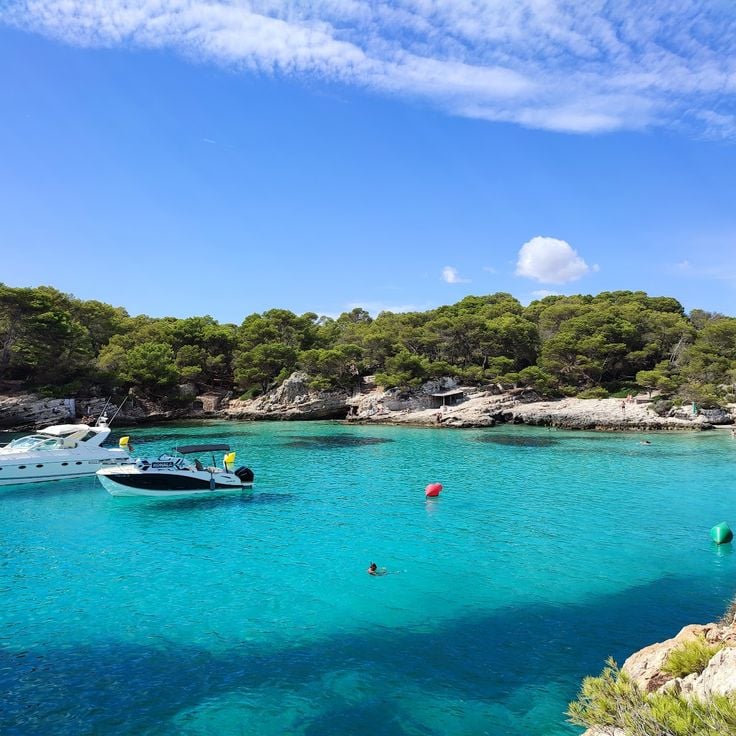
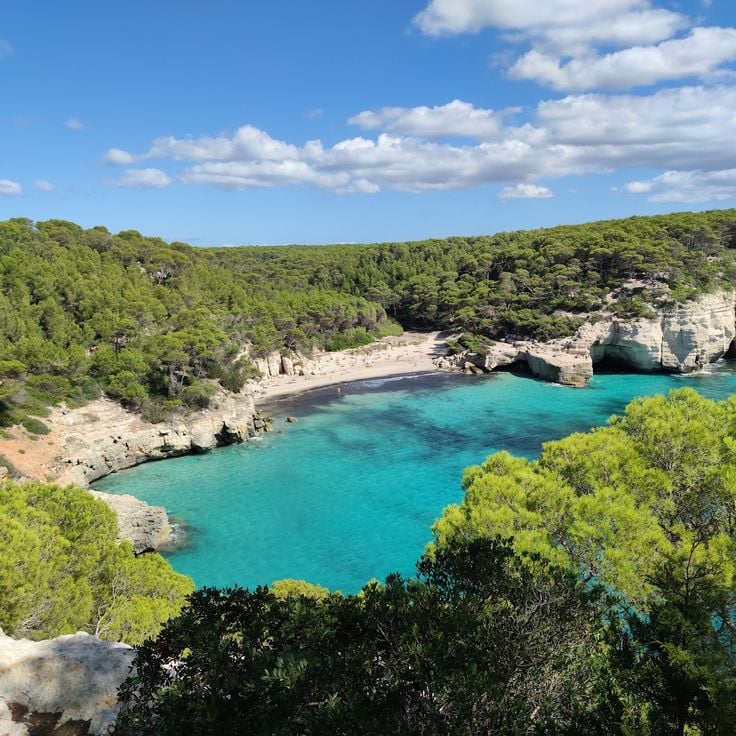
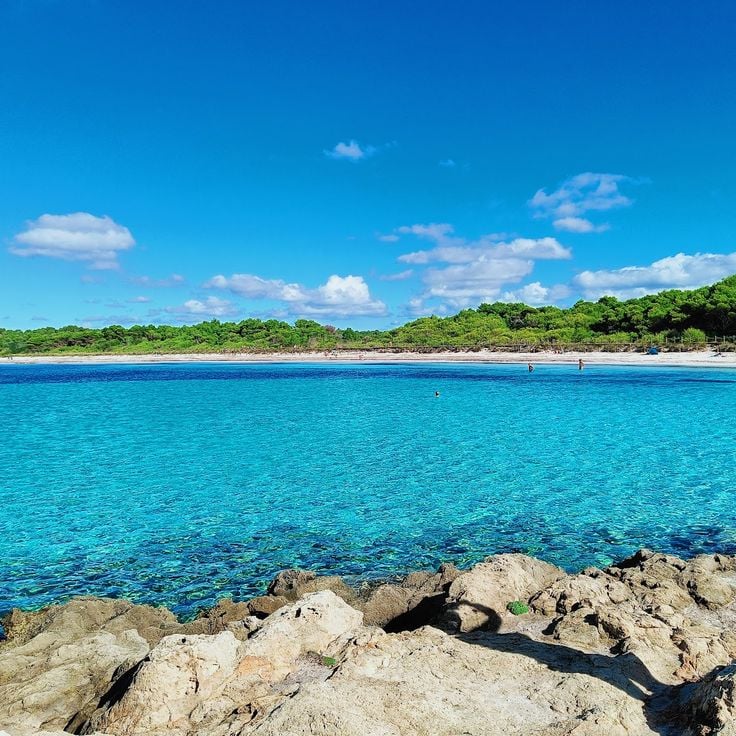
Cala Turqueta is a cove on Menorca with light sand and clear water, framed by a pine forest. A walking path connects the parking lot to the beach, fitting into the island's range of turquoise-water beaches, hidden coves, and natural spaces that draw visitors seeking both accessible and remote coastal experiences.
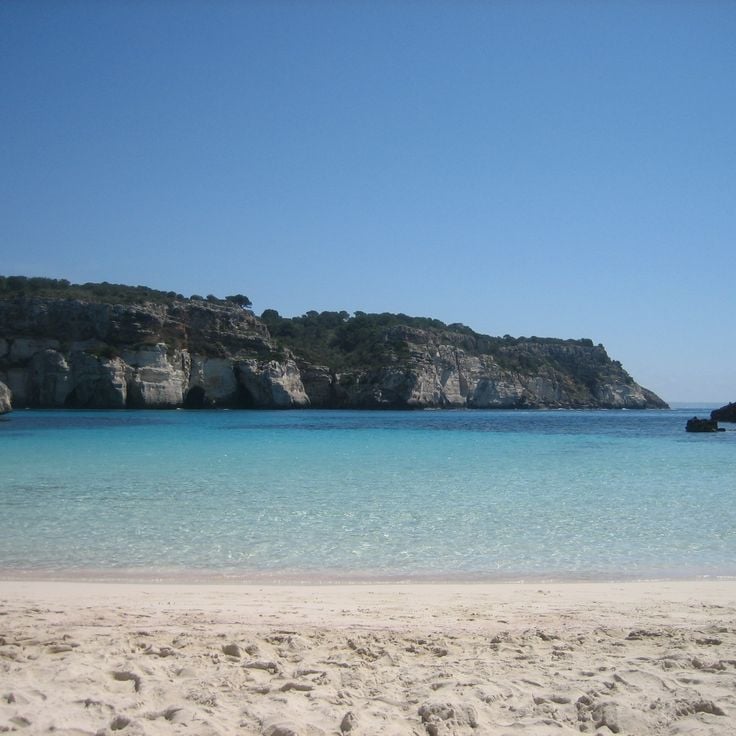
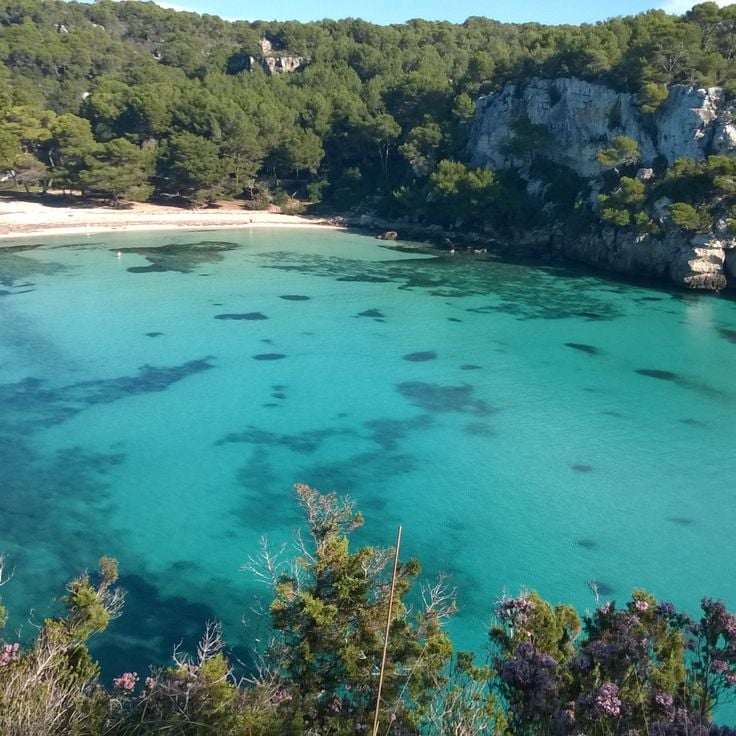
Cala Macarelleta is a small cove in Menorca, part of the island's collection of coastal gems with clear turquoise waters. Located about 20 minutes' walk from Cala Macarella, this sheltered spot offers soft sand framed by rocky cliffs. During the summer months, lifeguards are present to monitor swimmers. The walk down to reach it requires some effort, but the reward is a quieter setting where fewer visitors gather compared to the busier beaches nearby.
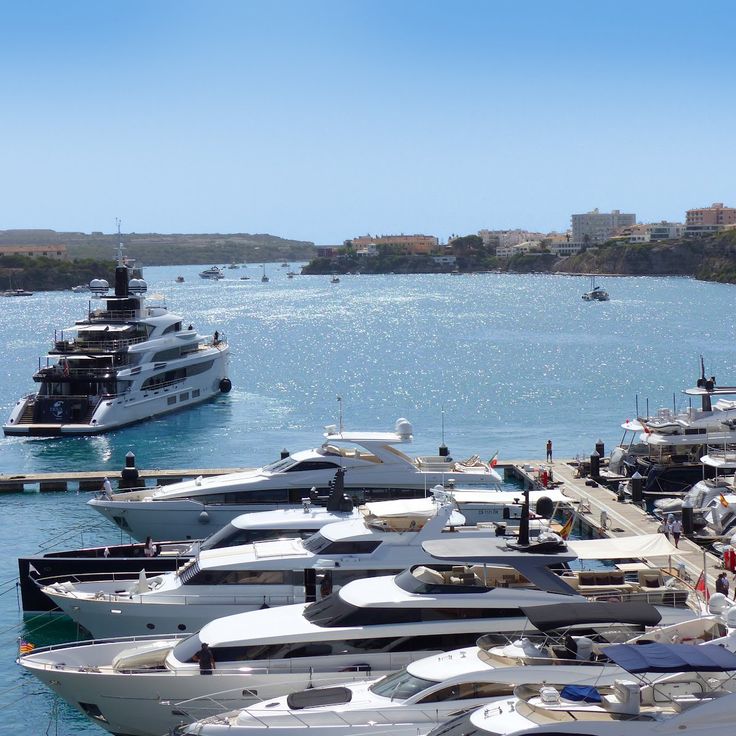
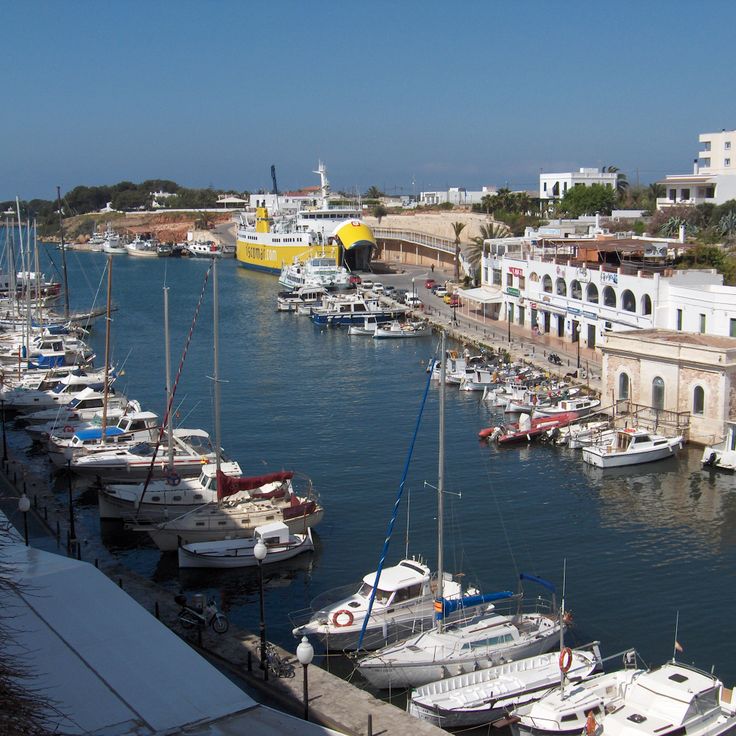
The Port of Maó-Mahón stands as one of Menorca's most compelling destinations. This natural harbor stretches for five kilometers and shelters both pleasure boats and fishing vessels. The quays feature original buildings that now house restaurants where locals and visitors gather. Walking along the waterfront, you see fishermen tending to their boats, smell salt and fresh fish, and hear the rhythm of harbor life. The port reveals how the island actually works and lived for centuries, offering a genuine window into Menorcan culture and daily rhythms.
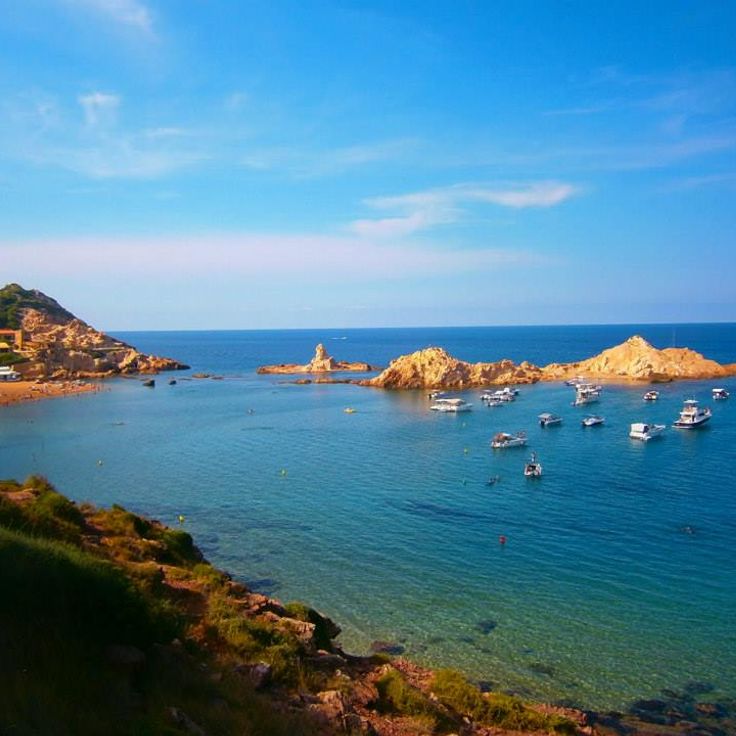
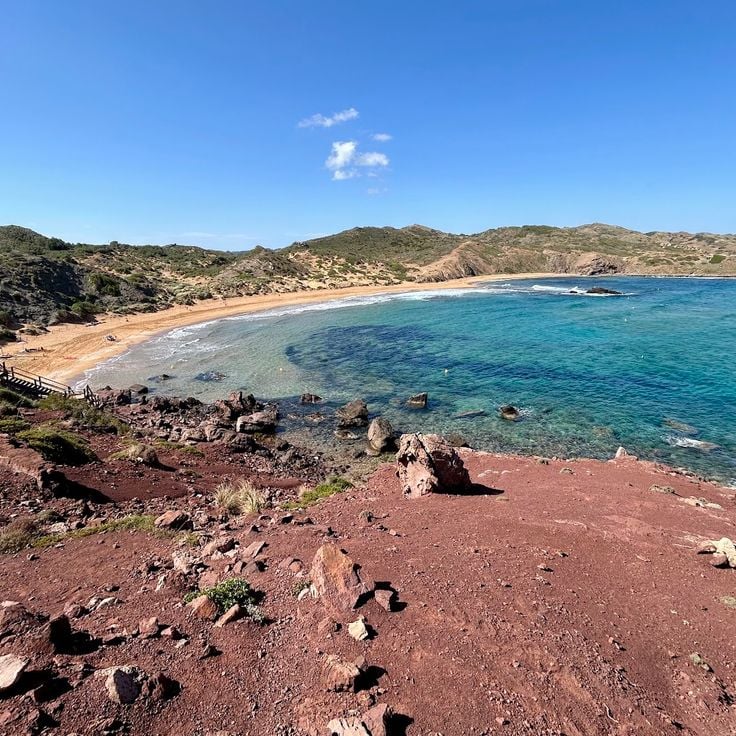
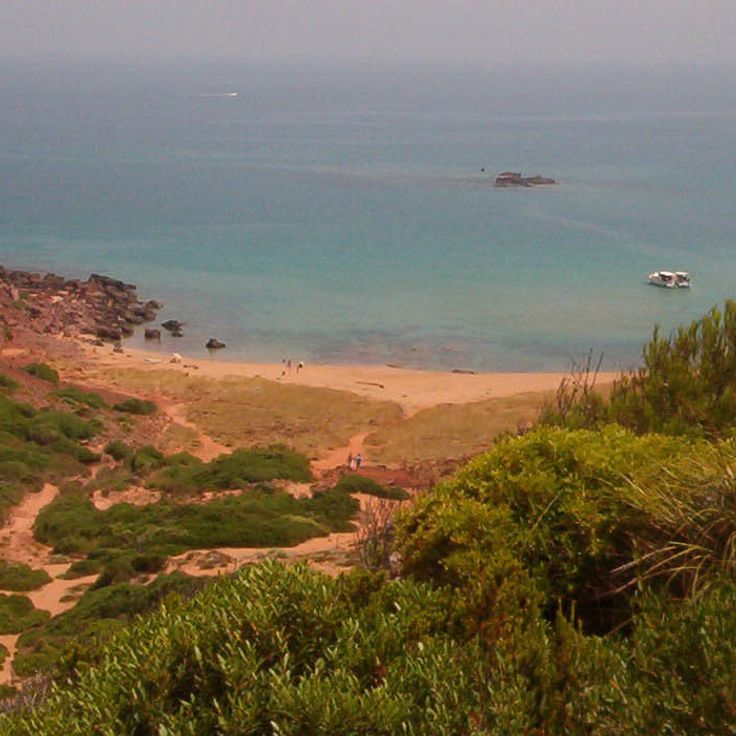
Cala Pregonda is a beach on Menorca known for its reddish sand, setting it apart from other coastal areas. This beach fits into the island's broader character: sandy stretches with turquoise water, coves nestled below rocky cliffs, and quiet bays where few people gather. A coastal path of about 20 minutes from the Binimel·là parking lot leads down to the shore. The walk is worth the effort, as you arrive at a place that feels removed from the everyday rush.
Cala Mitjana is a natural cove on Menorca surrounded by pine forests. Fine white sand borders turquoise waters, creating a calm spot to relax. A forest trail leads from the parking area to the beach, revealing the untouched beauty of this secluded shore.
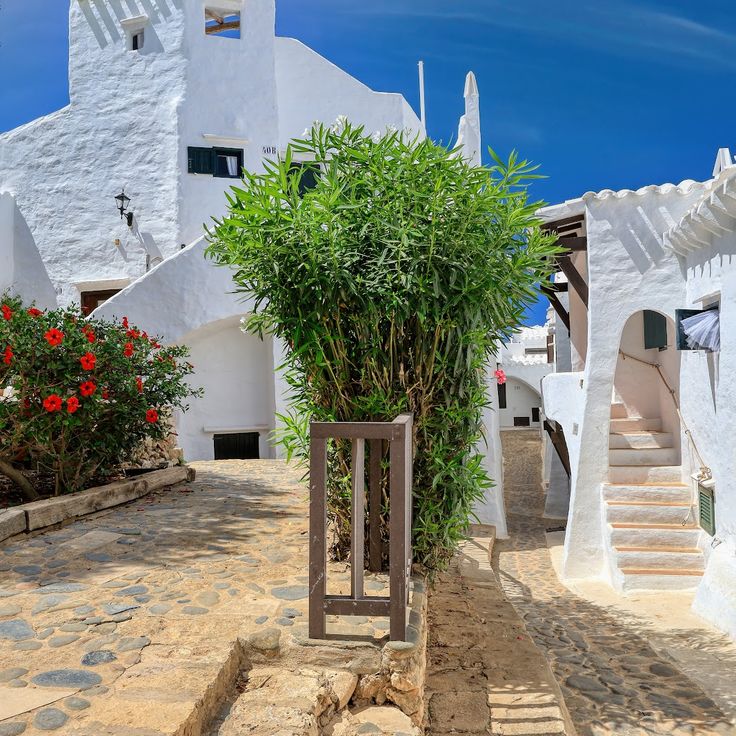
Binibeca Vell is a fishing village in Menorca that has existed since 1970. This settlement displays Mediterranean architecture through its white houses and narrow streets winding between the dwellings. It represents the small villages and untouched character that make Menorca worth exploring.
Cala Galdana Beach showcases what draws people to Menorca's coastline. This beach curves in a gentle half-moon shape with soft white sand and clear water perfect for swimming. Basic facilities like showers and cafes sit right on the sand, making it easy to spend the day here. The access is straightforward, which sets it apart from many other coves on the island that require hiking or driving on narrow roads. Families and swimmers come here to enjoy the water and relax on the shore.
This crescent-shaped beach with calm, shallow waters is one of the places that makes Menorca special. The fine sand and gentle slope into the water make it welcoming for families and swimmers of all ages. Natural cliffs frame the bay, creating a sheltered setting where the water stays quiet even on windier days. The Playa d'Arenal d'en Castell shows what Menorca offers beyond its most famous spots: accessible beaches where you can actually enjoy the water without fighting crowds.
This beach in Menorca sits at the heart of the island's coastal character, where the sea meets the rhythms of local life. Cala 'n Bosch lies beside a modern marina, creating a setting where swimmers share the waterfront with yachts and fishing boats. Restaurants and cafes line the shore, their tables facing the water and offering views of the coming and going of vessels. The beach reveals how Menorca balances natural beauty with the working energy of a port, a place where travelers can swim and watch boats move through the harbor.
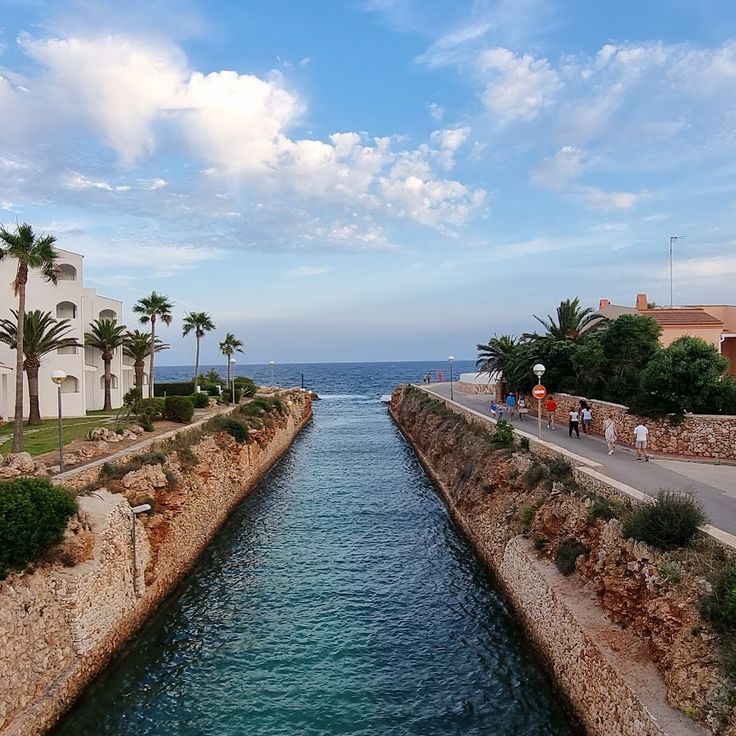
The port of Ciutadella draws visitors as a major stop on Menorca, where a natural canal stretches one kilometer inland. Historic buildings and restaurants line its banks, creating a welcoming waterfront. Colorful fishing boats rest in the water, and people gather along the shore to dine and watch the daily rhythm of harbor life. This place captures the maritime traditions of the island and brings together locals and travelers in a living, working port.
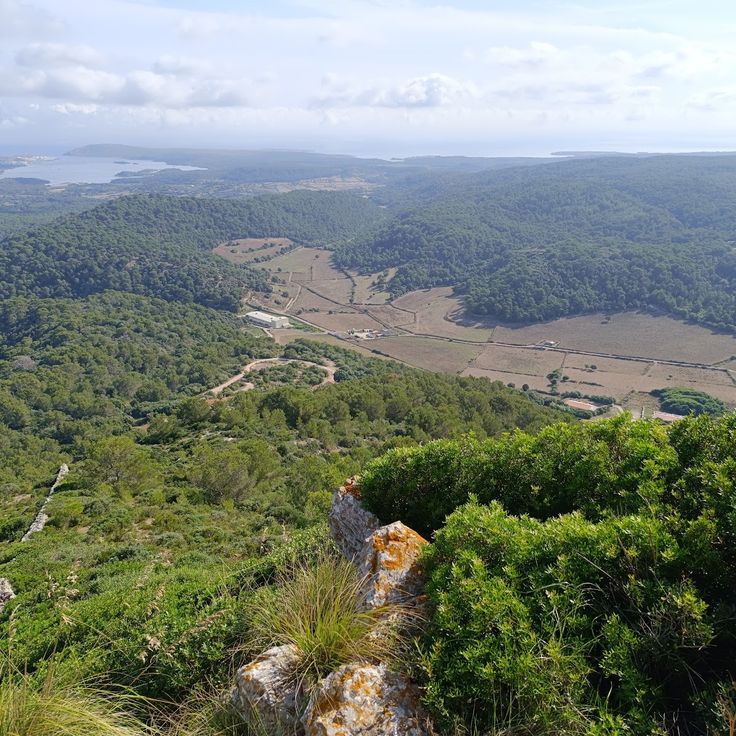
Monte Toro is the highest point in Menorca, rising to 358 meters. A sanctuary built in the 17th century sits at its summit. As one of the island's key destinations, this mountain offers a vantage point to see Menorca's landscape from above. The climb takes you through the island's natural terrain, and from the top, you can see far across the coastlines and villages that remain hidden from below.
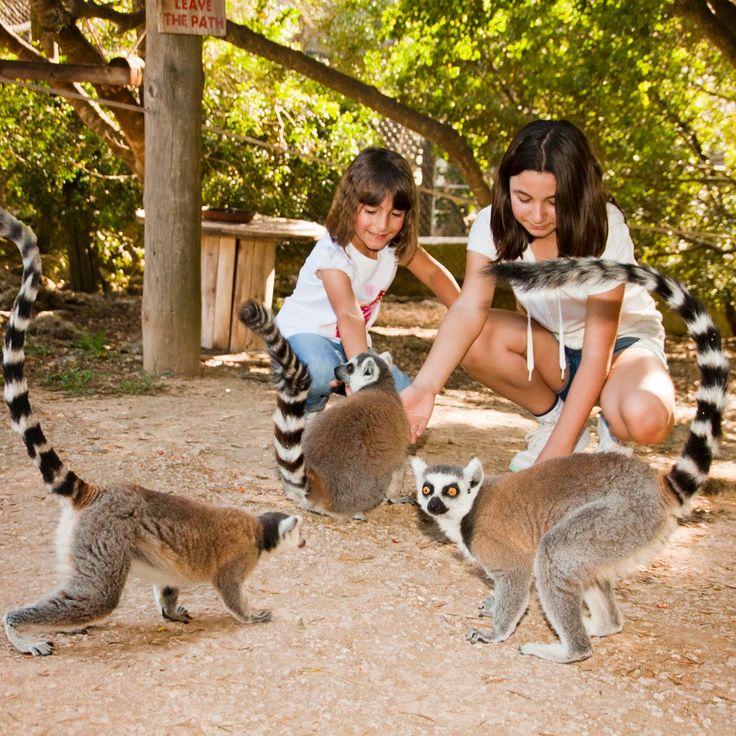
The Animal Protection Centre is a facility on Menorca dedicated to caring for injured and distressed animals. Here, wild and domestic creatures receive medical treatment, rehabilitation, and shelter until they recover and can return to their homes or find new families. The centre reflects how the island values its natural inhabitants and shows visitors that caring for animals is part of what makes Menorca special.
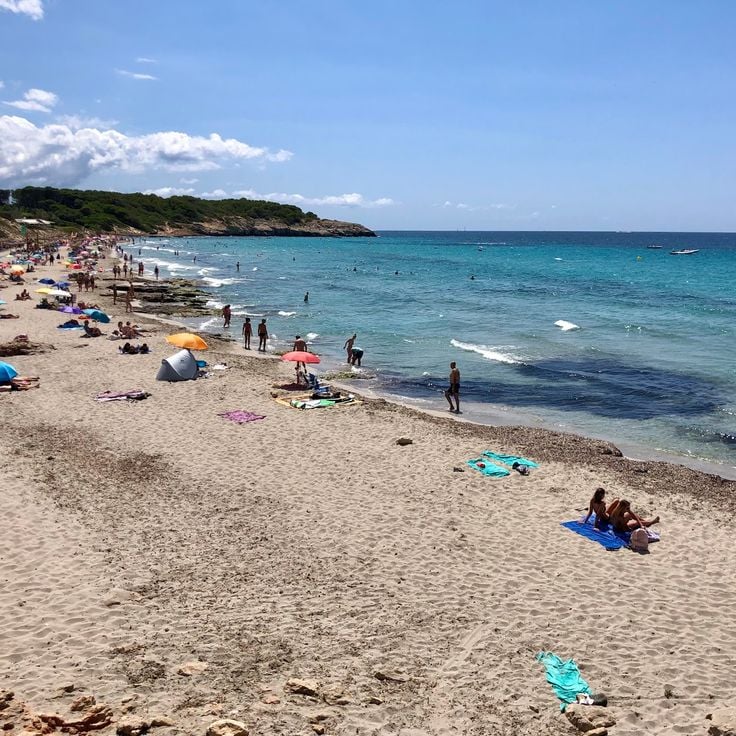
Playa de Sant Tomas is one of the main attractions on Menorca's southern shore and embodies what draws people to the island. This coastal strip features fine white sand and turquoise water perfect for swimming, with a pine forest behind it providing shade on hot days. The beach is easy to reach and lined with restaurants and bars where visitors can relax after time in the water. It offers the combination of natural beauty and practical comforts that makes Menorca special.
Cala Algaierens is a natural bay in Menorca featuring two sandy beaches ringed by pine forest. This location reflects the quieter coastal destinations the island offers, where visitors reach the shore by walking a 500-meter coastal path. The water invites swimmers with its clarity, and the surrounding trees provide shelter from the sun.
Playa de Cala Blanca is one of the standout destinations that embodies what Menorca offers visitors. This 50-meter beach features fine sand ideal for families, with shallow water that invites safe swimming. Limestone rock formations frame the shore and create a sheltered cove that feels removed from crowds. The setting captures what draws people to Menorca: accessible yet peaceful places where you can spend a day by the water without feeling rushed or overwhelmed.
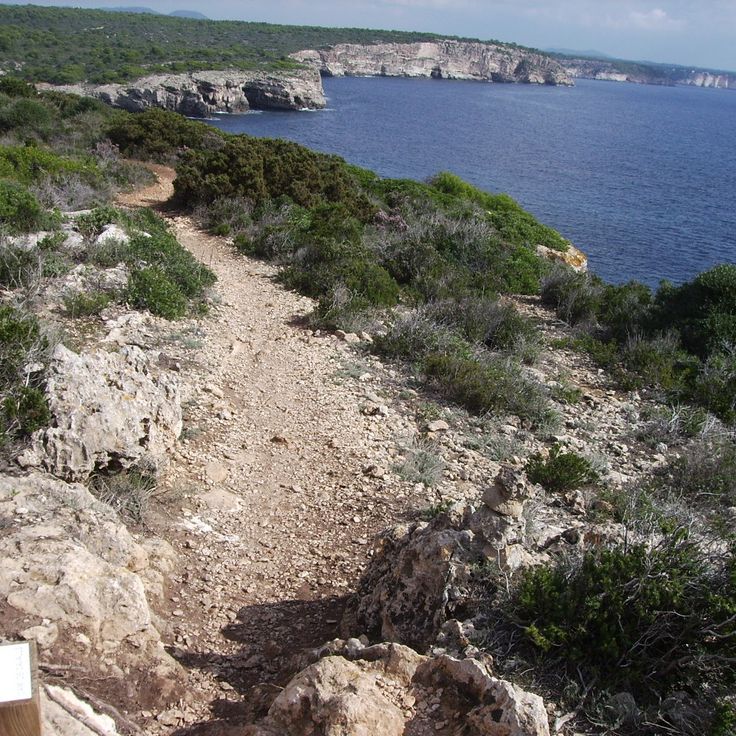
The Cami de Cavalls is a walking route that circles Menorca and connects the island's coastal life with its wooded landscapes. This path takes walkers past hidden coves with turquoise waters, colorful fishing boats in old ports, and small villages where people gather in the afternoons. Along the route, rocky cliffs alternate with open beaches, and dense pine forests offer shade and shelter. The trail shows how the island's nature and human presence fit together, revealing what makes Menorca distinctive.
Platja de Cavalleria is one of the distinctive beaches that makes Menorca worth visiting. The beach has ochre-colored sand and red rock formations that rise along the shoreline. A developed path connects the northern parking area directly to the beach, making access straightforward compared to some of the island's more remote coves. The rock formations create a striking backdrop for swimming and exploring the coastline.
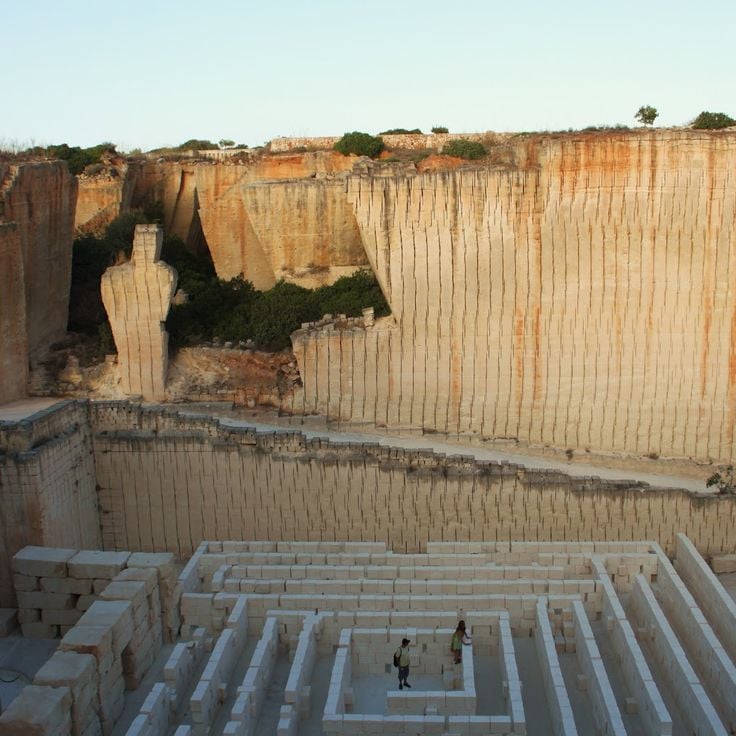
Lithica is a former limestone quarry on Menorca that has been transformed into a park with gardens and stone features. The site tells the story of how the island was shaped by quarrying, now combining that industrial past with carefully designed spaces. You can walk through stone corridors carved into the rock and explore galleries that lie beneath the surface. The blend of historical quarrying heritage and organized gardens makes Lithica a distinctive addition to Menorca's offerings, complementing the island's famous beaches and lesser-known natural areas.
Cala del Pilar is one of Menorca's beaches that draws visitors with its clear turquoise waters and soft sand. This beach sits between red cliffs and is about 30 minutes from the parking lot by walking a dirt and rock path. The effort of reaching this place is rewarded by a quiet cove tucked into the coastline.
The Platges de Son Saura are two consecutive white sand beaches that represent some of the unmissable sites of Menorca. Protected by a pine forest, these beaches feature turquoise waters that reach about two meters deep. They exemplify what draws visitors to the island: soft sand along the coast and the kind of setting that rewards the journey to reach it.
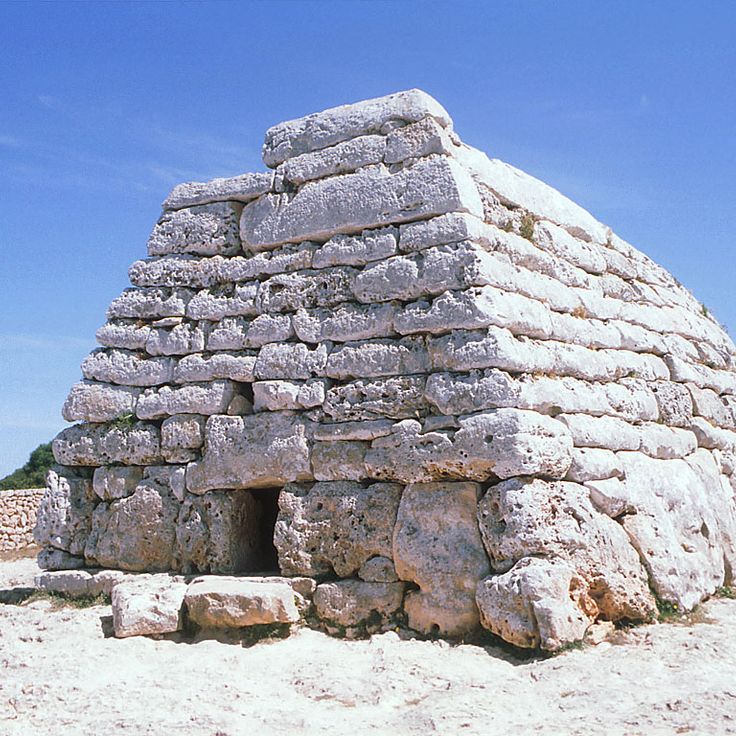
The Naveta des Tudons is a megalithic burial monument from the Bronze Age that shaped the Talayotic culture. In this collection of unmissable sites around Menorca, this stone structure reveals the island's deep past beyond its famous beaches and coastal paths. The ancient monument tells the story of people who lived here long before modern times.
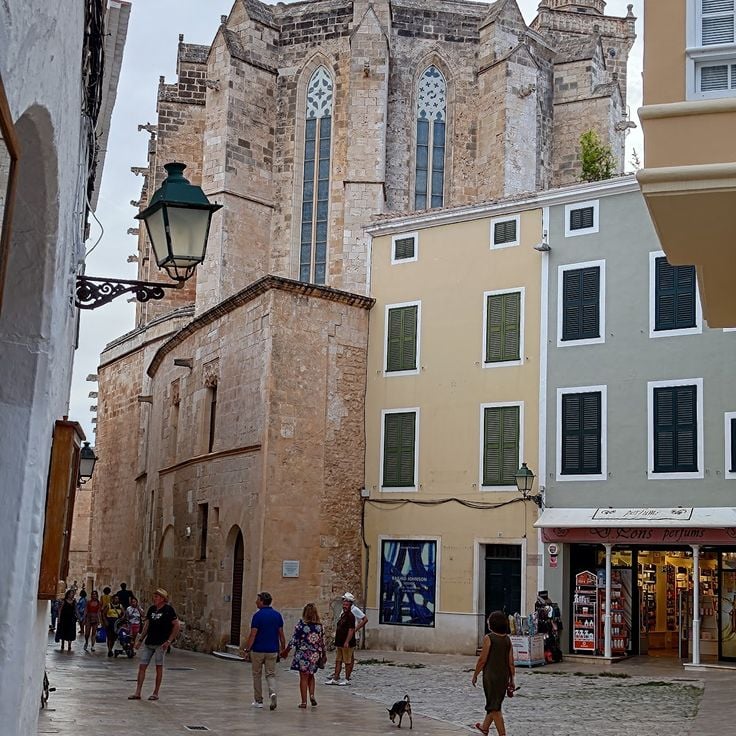
The Cathedral of Ciutadella is a striking example of Gothic architecture from the 14th century situated in the heart of the historic town. This building holds significant importance in understanding Menorca's medieval past and religious heritage. As part of what the island offers beyond its famous beaches and coastal paths, this cathedral connects visitors to the cultural roots of Menorca, alongside quiet villages, working ports with fishing boats, and the various landscapes that make the island worth exploring.
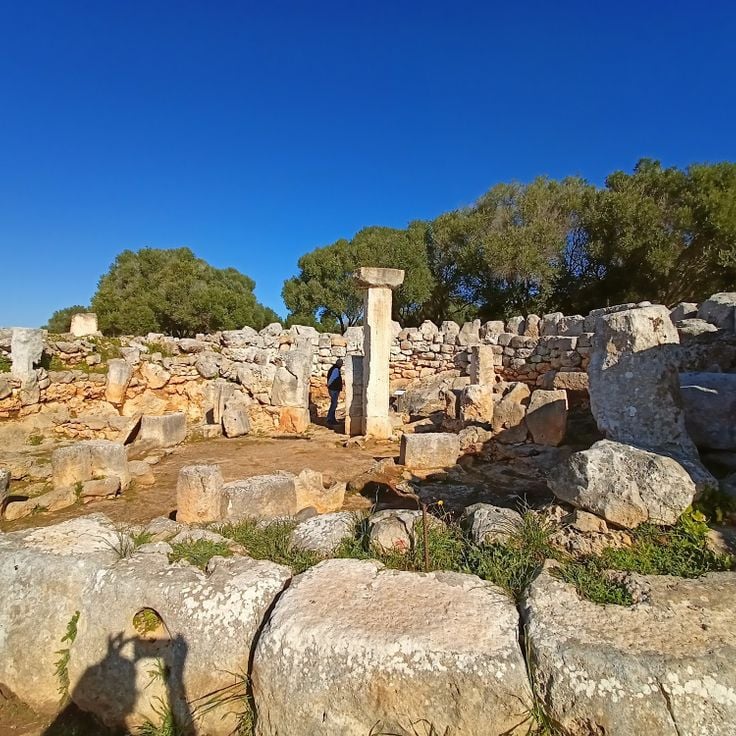
Torre d'en Galmés is one of Menorca's most important Bronze Age archaeological sites. The remains show watchtowers and stone dwellings that reveal how people lived during the Talayotic period. The structures sit on a hilltop, giving you a sense of how the ancient inhabitants used the landscape. Visiting this site complements a journey through Menorca's beaches and villages, connecting you to the island's deeper history.
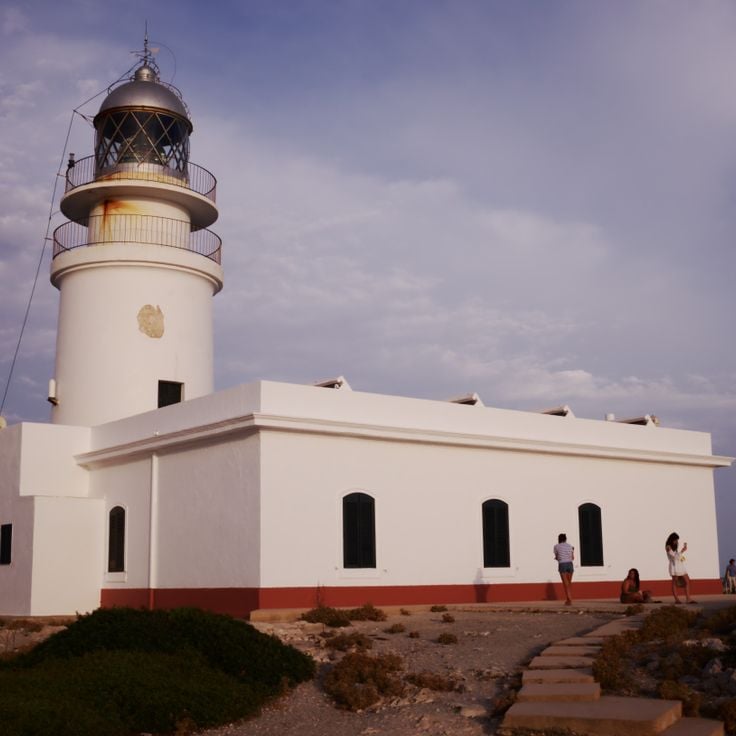
The Cavalleria Lighthouse sits atop cliffs rising 40 meters above the sea on Menorca's northern coast. This historical structure offers sweeping views across the water and the rocky shoreline below. The lighthouse represents one of the island's less-traveled spots, where visitors can explore and sense the untamed character of the land. The journey to reach it involves walking down steep paths, but the vista rewards the effort.
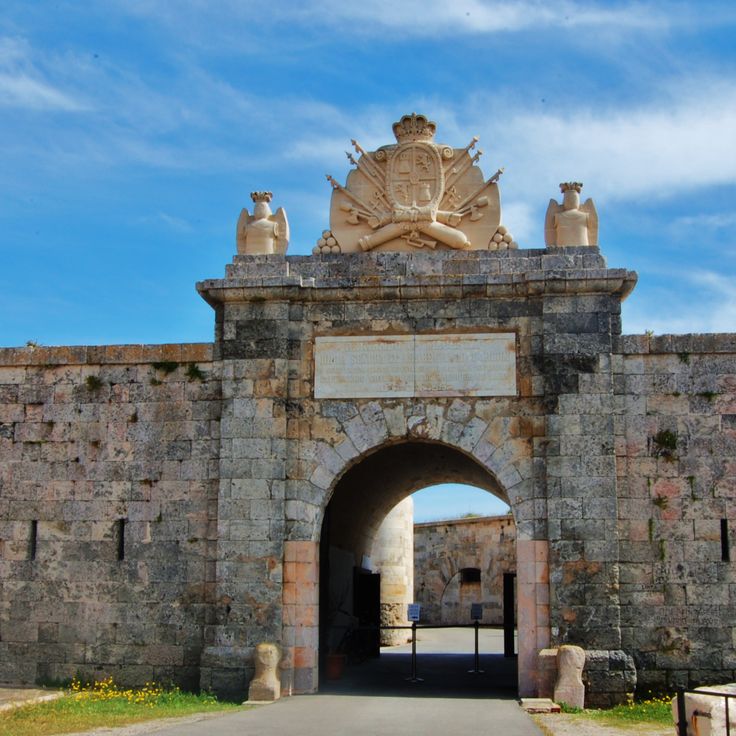
La Mola Fortress is a 19th-century military fortress built during Queen Isabella II's reign. It served as a prison until 1968. Visiting this fortress offers a glimpse into Menorca's military past and allows you to explore the structures and spaces shaped by this era. The site reveals how the island was fortified and defended, with views of the surrounding coastline and waters.
Els Alocs Beach represents one of Menorca's hidden locations that draw visitors seeking quieter shores. This small pebble beach sits on the north coast, reachable only through a forest path from Pilar cove. The effort to reach this place is rewarded by its secluded setting where few people venture. The beach embodies the quiet side of Menorca beyond the more visited coastal spots.
Cala Macarella is one of the beaches that draws visitors to Menorca with its clear turquoise water and soft sand. This cove stretches about 140 meters and sits surrounded by tall cliffs. A 20-minute walking path leads from the parking area down to the beach. The effort to reach this place is rewarded by a quiet setting where few people venture.
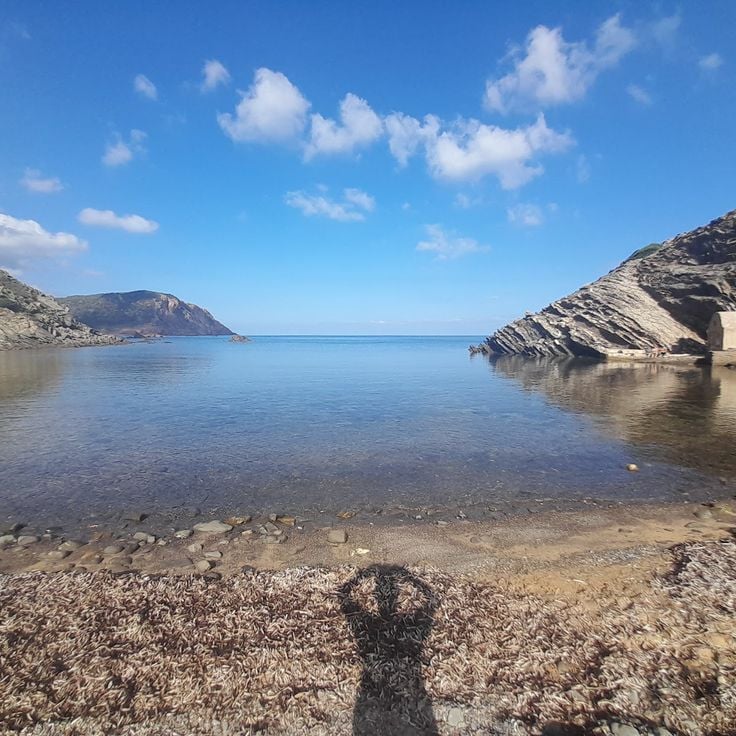
Cala d'es Talaier is one of Menorca's secluded coves that rewards visitors with fine white sand and clear waters. Reached by hiking from Son Saura beach or driving from Sant Joan de Missa, this sheltered inlet shows why the island's shoreline shifts between quiet spots tucked into rocky terrain and open beaches. The effort to get here keeps it from feeling crowded, and the setting feels removed from busier parts of the coast. This is the kind of place where the journey to arrive becomes part of what makes it special.
Cala Fustam is a small cove on Menorca ringed by pine groves and cliffs. It stands as the only beach on the island accessible by horseback year-round. This destination fits perfectly within Menorca's varied offerings: from sheltered coves with calm waters to places that reward visitors who seek out the less common paths.
This beach is the longest on the island, stretching along the south coast for several kilometers. Shallow waters and lifeguard services make it safe for swimming. It fits well into Menorca's beach profile: a place with soft sand and clear water where visitors can easily enter the sea without needing steep hikes or difficult access roads. It works well for families and anyone wanting a comfortable day by the water.
Cala Turqueta is a cove on Menorca with light sand and clear water, framed by a pine forest. A walking path connects the parking lot to the beach, fitting into the island's range of turquoise-water beaches, hidden coves, and natural spaces that draw visitors seeking both accessible and remote coastal experiences.
Cala Macarelleta is a small cove in Menorca, part of the island's collection of coastal gems with clear turquoise waters. Located about 20 minutes' walk from Cala Macarella, this sheltered spot offers soft sand framed by rocky cliffs. During the summer months, lifeguards are present to monitor swimmers. The walk down to reach it requires some effort, but the reward is a quieter setting where fewer visitors gather compared to the busier beaches nearby.
The Port of Maó-Mahón stands as one of Menorca's most compelling destinations. This natural harbor stretches for five kilometers and shelters both pleasure boats and fishing vessels. The quays feature original buildings that now house restaurants where locals and visitors gather. Walking along the waterfront, you see fishermen tending to their boats, smell salt and fresh fish, and hear the rhythm of harbor life. The port reveals how the island actually works and lived for centuries, offering a genuine window into Menorcan culture and daily rhythms.
Cala Pregonda is a beach on Menorca known for its reddish sand, setting it apart from other coastal areas. This beach fits into the island's broader character: sandy stretches with turquoise water, coves nestled below rocky cliffs, and quiet bays where few people gather. A coastal path of about 20 minutes from the Binimel·là parking lot leads down to the shore. The walk is worth the effort, as you arrive at a place that feels removed from the everyday rush.
Cala Mitjana is a natural cove on Menorca surrounded by pine forests. Fine white sand borders turquoise waters, creating a calm spot to relax. A forest trail leads from the parking area to the beach, revealing the untouched beauty of this secluded shore.
Binibeca Vell is a fishing village in Menorca that has existed since 1970. This settlement displays Mediterranean architecture through its white houses and narrow streets winding between the dwellings. It represents the small villages and untouched character that make Menorca worth exploring.
Cala Galdana Beach showcases what draws people to Menorca's coastline. This beach curves in a gentle half-moon shape with soft white sand and clear water perfect for swimming. Basic facilities like showers and cafes sit right on the sand, making it easy to spend the day here. The access is straightforward, which sets it apart from many other coves on the island that require hiking or driving on narrow roads. Families and swimmers come here to enjoy the water and relax on the shore.
This crescent-shaped beach with calm, shallow waters is one of the places that makes Menorca special. The fine sand and gentle slope into the water make it welcoming for families and swimmers of all ages. Natural cliffs frame the bay, creating a sheltered setting where the water stays quiet even on windier days. The Playa d'Arenal d'en Castell shows what Menorca offers beyond its most famous spots: accessible beaches where you can actually enjoy the water without fighting crowds.
This beach in Menorca sits at the heart of the island's coastal character, where the sea meets the rhythms of local life. Cala 'n Bosch lies beside a modern marina, creating a setting where swimmers share the waterfront with yachts and fishing boats. Restaurants and cafes line the shore, their tables facing the water and offering views of the coming and going of vessels. The beach reveals how Menorca balances natural beauty with the working energy of a port, a place where travelers can swim and watch boats move through the harbor.
The port of Ciutadella draws visitors as a major stop on Menorca, where a natural canal stretches one kilometer inland. Historic buildings and restaurants line its banks, creating a welcoming waterfront. Colorful fishing boats rest in the water, and people gather along the shore to dine and watch the daily rhythm of harbor life. This place captures the maritime traditions of the island and brings together locals and travelers in a living, working port.
Monte Toro is the highest point in Menorca, rising to 358 meters. A sanctuary built in the 17th century sits at its summit. As one of the island's key destinations, this mountain offers a vantage point to see Menorca's landscape from above. The climb takes you through the island's natural terrain, and from the top, you can see far across the coastlines and villages that remain hidden from below.
The Animal Protection Centre is a facility on Menorca dedicated to caring for injured and distressed animals. Here, wild and domestic creatures receive medical treatment, rehabilitation, and shelter until they recover and can return to their homes or find new families. The centre reflects how the island values its natural inhabitants and shows visitors that caring for animals is part of what makes Menorca special.
Playa de Sant Tomas is one of the main attractions on Menorca's southern shore and embodies what draws people to the island. This coastal strip features fine white sand and turquoise water perfect for swimming, with a pine forest behind it providing shade on hot days. The beach is easy to reach and lined with restaurants and bars where visitors can relax after time in the water. It offers the combination of natural beauty and practical comforts that makes Menorca special.
Cala Algaierens is a natural bay in Menorca featuring two sandy beaches ringed by pine forest. This location reflects the quieter coastal destinations the island offers, where visitors reach the shore by walking a 500-meter coastal path. The water invites swimmers with its clarity, and the surrounding trees provide shelter from the sun.
Playa de Cala Blanca is one of the standout destinations that embodies what Menorca offers visitors. This 50-meter beach features fine sand ideal for families, with shallow water that invites safe swimming. Limestone rock formations frame the shore and create a sheltered cove that feels removed from crowds. The setting captures what draws people to Menorca: accessible yet peaceful places where you can spend a day by the water without feeling rushed or overwhelmed.
The Cami de Cavalls is a walking route that circles Menorca and connects the island's coastal life with its wooded landscapes. This path takes walkers past hidden coves with turquoise waters, colorful fishing boats in old ports, and small villages where people gather in the afternoons. Along the route, rocky cliffs alternate with open beaches, and dense pine forests offer shade and shelter. The trail shows how the island's nature and human presence fit together, revealing what makes Menorca distinctive.
Platja de Cavalleria is one of the distinctive beaches that makes Menorca worth visiting. The beach has ochre-colored sand and red rock formations that rise along the shoreline. A developed path connects the northern parking area directly to the beach, making access straightforward compared to some of the island's more remote coves. The rock formations create a striking backdrop for swimming and exploring the coastline.
Lithica is a former limestone quarry on Menorca that has been transformed into a park with gardens and stone features. The site tells the story of how the island was shaped by quarrying, now combining that industrial past with carefully designed spaces. You can walk through stone corridors carved into the rock and explore galleries that lie beneath the surface. The blend of historical quarrying heritage and organized gardens makes Lithica a distinctive addition to Menorca's offerings, complementing the island's famous beaches and lesser-known natural areas.
Cala del Pilar is one of Menorca's beaches that draws visitors with its clear turquoise waters and soft sand. This beach sits between red cliffs and is about 30 minutes from the parking lot by walking a dirt and rock path. The effort of reaching this place is rewarded by a quiet cove tucked into the coastline.
The Platges de Son Saura are two consecutive white sand beaches that represent some of the unmissable sites of Menorca. Protected by a pine forest, these beaches feature turquoise waters that reach about two meters deep. They exemplify what draws visitors to the island: soft sand along the coast and the kind of setting that rewards the journey to reach it.
The Naveta des Tudons is a megalithic burial monument from the Bronze Age that shaped the Talayotic culture. In this collection of unmissable sites around Menorca, this stone structure reveals the island's deep past beyond its famous beaches and coastal paths. The ancient monument tells the story of people who lived here long before modern times.
The Cathedral of Ciutadella is a striking example of Gothic architecture from the 14th century situated in the heart of the historic town. This building holds significant importance in understanding Menorca's medieval past and religious heritage. As part of what the island offers beyond its famous beaches and coastal paths, this cathedral connects visitors to the cultural roots of Menorca, alongside quiet villages, working ports with fishing boats, and the various landscapes that make the island worth exploring.
Torre d'en Galmés is one of Menorca's most important Bronze Age archaeological sites. The remains show watchtowers and stone dwellings that reveal how people lived during the Talayotic period. The structures sit on a hilltop, giving you a sense of how the ancient inhabitants used the landscape. Visiting this site complements a journey through Menorca's beaches and villages, connecting you to the island's deeper history.
The Cavalleria Lighthouse sits atop cliffs rising 40 meters above the sea on Menorca's northern coast. This historical structure offers sweeping views across the water and the rocky shoreline below. The lighthouse represents one of the island's less-traveled spots, where visitors can explore and sense the untamed character of the land. The journey to reach it involves walking down steep paths, but the vista rewards the effort.
La Mola Fortress is a 19th-century military fortress built during Queen Isabella II's reign. It served as a prison until 1968. Visiting this fortress offers a glimpse into Menorca's military past and allows you to explore the structures and spaces shaped by this era. The site reveals how the island was fortified and defended, with views of the surrounding coastline and waters.
Els Alocs Beach represents one of Menorca's hidden locations that draw visitors seeking quieter shores. This small pebble beach sits on the north coast, reachable only through a forest path from Pilar cove. The effort to reach this place is rewarded by its secluded setting where few people venture. The beach embodies the quiet side of Menorca beyond the more visited coastal spots.
Cala Macarella is one of the beaches that draws visitors to Menorca with its clear turquoise water and soft sand. This cove stretches about 140 meters and sits surrounded by tall cliffs. A 20-minute walking path leads from the parking area down to the beach. The effort to reach this place is rewarded by a quiet setting where few people venture.
Cala d'es Talaier is one of Menorca's secluded coves that rewards visitors with fine white sand and clear waters. Reached by hiking from Son Saura beach or driving from Sant Joan de Missa, this sheltered inlet shows why the island's shoreline shifts between quiet spots tucked into rocky terrain and open beaches. The effort to get here keeps it from feeling crowded, and the setting feels removed from busier parts of the coast. This is the kind of place where the journey to arrive becomes part of what makes it special.
Cala Fustam is a small cove on Menorca ringed by pine groves and cliffs. It stands as the only beach on the island accessible by horseback year-round. This destination fits perfectly within Menorca's varied offerings: from sheltered coves with calm waters to places that reward visitors who seek out the less common paths.
This beach is the longest on the island, stretching along the south coast for several kilometers. Shallow waters and lifeguard services make it safe for swimming. It fits well into Menorca's beach profile: a place with soft sand and clear water where visitors can easily enter the sea without needing steep hikes or difficult access roads. It works well for families and anyone wanting a comfortable day by the water.
Cala Turqueta is a cove on Menorca with light sand and clear water, framed by a pine forest. A walking path connects the parking lot to the beach, fitting into the island's range of turquoise-water beaches, hidden coves, and natural spaces that draw visitors seeking both accessible and remote coastal experiences.
Cala Macarelleta is a small cove in Menorca, part of the island's collection of coastal gems with clear turquoise waters. Located about 20 minutes' walk from Cala Macarella, this sheltered spot offers soft sand framed by rocky cliffs. During the summer months, lifeguards are present to monitor swimmers. The walk down to reach it requires some effort, but the reward is a quieter setting where fewer visitors gather compared to the busier beaches nearby.
The Port of Maó-Mahón stands as one of Menorca's most compelling destinations. This natural harbor stretches for five kilometers and shelters both pleasure boats and fishing vessels. The quays feature original buildings that now house restaurants where locals and visitors gather. Walking along the waterfront, you see fishermen tending to their boats, smell salt and fresh fish, and hear the rhythm of harbor life. The port reveals how the island actually works and lived for centuries, offering a genuine window into Menorcan culture and daily rhythms.
Cala Pregonda is a beach on Menorca known for its reddish sand, setting it apart from other coastal areas. This beach fits into the island's broader character: sandy stretches with turquoise water, coves nestled below rocky cliffs, and quiet bays where few people gather. A coastal path of about 20 minutes from the Binimel·là parking lot leads down to the shore. The walk is worth the effort, as you arrive at a place that feels removed from the everyday rush.
Cala Mitjana is a natural cove on Menorca surrounded by pine forests. Fine white sand borders turquoise waters, creating a calm spot to relax. A forest trail leads from the parking area to the beach, revealing the untouched beauty of this secluded shore.
Binibeca Vell is a fishing village in Menorca that has existed since 1970. This settlement displays Mediterranean architecture through its white houses and narrow streets winding between the dwellings. It represents the small villages and untouched character that make Menorca worth exploring.
Cala Galdana Beach showcases what draws people to Menorca's coastline. This beach curves in a gentle half-moon shape with soft white sand and clear water perfect for swimming. Basic facilities like showers and cafes sit right on the sand, making it easy to spend the day here. The access is straightforward, which sets it apart from many other coves on the island that require hiking or driving on narrow roads. Families and swimmers come here to enjoy the water and relax on the shore.
This crescent-shaped beach with calm, shallow waters is one of the places that makes Menorca special. The fine sand and gentle slope into the water make it welcoming for families and swimmers of all ages. Natural cliffs frame the bay, creating a sheltered setting where the water stays quiet even on windier days. The Playa d'Arenal d'en Castell shows what Menorca offers beyond its most famous spots: accessible beaches where you can actually enjoy the water without fighting crowds.
This beach in Menorca sits at the heart of the island's coastal character, where the sea meets the rhythms of local life. Cala 'n Bosch lies beside a modern marina, creating a setting where swimmers share the waterfront with yachts and fishing boats. Restaurants and cafes line the shore, their tables facing the water and offering views of the coming and going of vessels. The beach reveals how Menorca balances natural beauty with the working energy of a port, a place where travelers can swim and watch boats move through the harbor.
The port of Ciutadella draws visitors as a major stop on Menorca, where a natural canal stretches one kilometer inland. Historic buildings and restaurants line its banks, creating a welcoming waterfront. Colorful fishing boats rest in the water, and people gather along the shore to dine and watch the daily rhythm of harbor life. This place captures the maritime traditions of the island and brings together locals and travelers in a living, working port.
Monte Toro is the highest point in Menorca, rising to 358 meters. A sanctuary built in the 17th century sits at its summit. As one of the island's key destinations, this mountain offers a vantage point to see Menorca's landscape from above. The climb takes you through the island's natural terrain, and from the top, you can see far across the coastlines and villages that remain hidden from below.
The Animal Protection Centre is a facility on Menorca dedicated to caring for injured and distressed animals. Here, wild and domestic creatures receive medical treatment, rehabilitation, and shelter until they recover and can return to their homes or find new families. The centre reflects how the island values its natural inhabitants and shows visitors that caring for animals is part of what makes Menorca special.
Playa de Sant Tomas is one of the main attractions on Menorca's southern shore and embodies what draws people to the island. This coastal strip features fine white sand and turquoise water perfect for swimming, with a pine forest behind it providing shade on hot days. The beach is easy to reach and lined with restaurants and bars where visitors can relax after time in the water. It offers the combination of natural beauty and practical comforts that makes Menorca special.
Cala Algaierens is a natural bay in Menorca featuring two sandy beaches ringed by pine forest. This location reflects the quieter coastal destinations the island offers, where visitors reach the shore by walking a 500-meter coastal path. The water invites swimmers with its clarity, and the surrounding trees provide shelter from the sun.
Playa de Cala Blanca is one of the standout destinations that embodies what Menorca offers visitors. This 50-meter beach features fine sand ideal for families, with shallow water that invites safe swimming. Limestone rock formations frame the shore and create a sheltered cove that feels removed from crowds. The setting captures what draws people to Menorca: accessible yet peaceful places where you can spend a day by the water without feeling rushed or overwhelmed.
The Cami de Cavalls is a walking route that circles Menorca and connects the island's coastal life with its wooded landscapes. This path takes walkers past hidden coves with turquoise waters, colorful fishing boats in old ports, and small villages where people gather in the afternoons. Along the route, rocky cliffs alternate with open beaches, and dense pine forests offer shade and shelter. The trail shows how the island's nature and human presence fit together, revealing what makes Menorca distinctive.
Platja de Cavalleria is one of the distinctive beaches that makes Menorca worth visiting. The beach has ochre-colored sand and red rock formations that rise along the shoreline. A developed path connects the northern parking area directly to the beach, making access straightforward compared to some of the island's more remote coves. The rock formations create a striking backdrop for swimming and exploring the coastline.
Lithica is a former limestone quarry on Menorca that has been transformed into a park with gardens and stone features. The site tells the story of how the island was shaped by quarrying, now combining that industrial past with carefully designed spaces. You can walk through stone corridors carved into the rock and explore galleries that lie beneath the surface. The blend of historical quarrying heritage and organized gardens makes Lithica a distinctive addition to Menorca's offerings, complementing the island's famous beaches and lesser-known natural areas.
Cala del Pilar is one of Menorca's beaches that draws visitors with its clear turquoise waters and soft sand. This beach sits between red cliffs and is about 30 minutes from the parking lot by walking a dirt and rock path. The effort of reaching this place is rewarded by a quiet cove tucked into the coastline.
The Platges de Son Saura are two consecutive white sand beaches that represent some of the unmissable sites of Menorca. Protected by a pine forest, these beaches feature turquoise waters that reach about two meters deep. They exemplify what draws visitors to the island: soft sand along the coast and the kind of setting that rewards the journey to reach it.
The Naveta des Tudons is a megalithic burial monument from the Bronze Age that shaped the Talayotic culture. In this collection of unmissable sites around Menorca, this stone structure reveals the island's deep past beyond its famous beaches and coastal paths. The ancient monument tells the story of people who lived here long before modern times.
The Cathedral of Ciutadella is a striking example of Gothic architecture from the 14th century situated in the heart of the historic town. This building holds significant importance in understanding Menorca's medieval past and religious heritage. As part of what the island offers beyond its famous beaches and coastal paths, this cathedral connects visitors to the cultural roots of Menorca, alongside quiet villages, working ports with fishing boats, and the various landscapes that make the island worth exploring.
Torre d'en Galmés is one of Menorca's most important Bronze Age archaeological sites. The remains show watchtowers and stone dwellings that reveal how people lived during the Talayotic period. The structures sit on a hilltop, giving you a sense of how the ancient inhabitants used the landscape. Visiting this site complements a journey through Menorca's beaches and villages, connecting you to the island's deeper history.
The Cavalleria Lighthouse sits atop cliffs rising 40 meters above the sea on Menorca's northern coast. This historical structure offers sweeping views across the water and the rocky shoreline below. The lighthouse represents one of the island's less-traveled spots, where visitors can explore and sense the untamed character of the land. The journey to reach it involves walking down steep paths, but the vista rewards the effort.
La Mola Fortress is a 19th-century military fortress built during Queen Isabella II's reign. It served as a prison until 1968. Visiting this fortress offers a glimpse into Menorca's military past and allows you to explore the structures and spaces shaped by this era. The site reveals how the island was fortified and defended, with views of the surrounding coastline and waters.
Els Alocs Beach represents one of Menorca's hidden locations that draw visitors seeking quieter shores. This small pebble beach sits on the north coast, reachable only through a forest path from Pilar cove. The effort to reach this place is rewarded by its secluded setting where few people venture. The beach embodies the quiet side of Menorca beyond the more visited coastal spots.
Cala Macarella is one of the beaches that draws visitors to Menorca with its clear turquoise water and soft sand. This cove stretches about 140 meters and sits surrounded by tall cliffs. A 20-minute walking path leads from the parking area down to the beach. The effort to reach this place is rewarded by a quiet setting where few people venture.
Cala d'es Talaier is one of Menorca's secluded coves that rewards visitors with fine white sand and clear waters. Reached by hiking from Son Saura beach or driving from Sant Joan de Missa, this sheltered inlet shows why the island's shoreline shifts between quiet spots tucked into rocky terrain and open beaches. The effort to get here keeps it from feeling crowded, and the setting feels removed from busier parts of the coast. This is the kind of place where the journey to arrive becomes part of what makes it special.
Cala Fustam is a small cove on Menorca ringed by pine groves and cliffs. It stands as the only beach on the island accessible by horseback year-round. This destination fits perfectly within Menorca's varied offerings: from sheltered coves with calm waters to places that reward visitors who seek out the less common paths.