Mancha Real, municipality of Spain
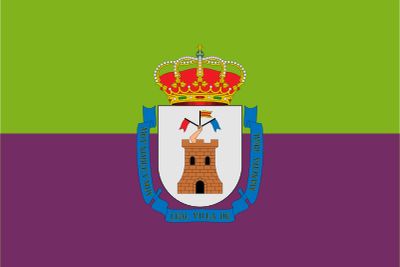
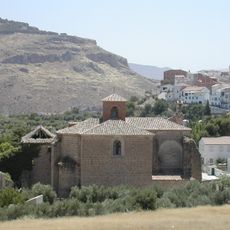
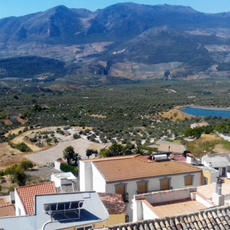
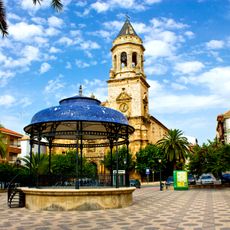
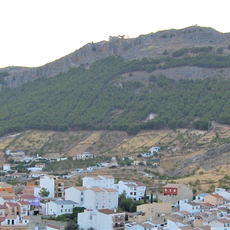
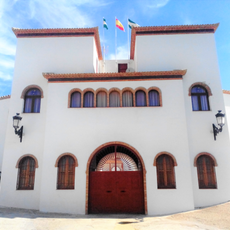
Mancha Real is a municipality in Jaén Province, southern Spain, sitting at the foot of the Sierra Mágina range near the rock face known as Peña del Águila. The town center follows a regular grid of straight streets that lead to a central square, where the town hall and the Church of San Juan Evangelista face each other.
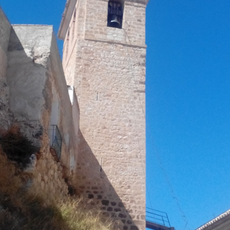
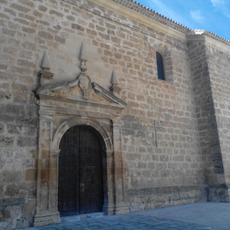
The town was founded in 1537 by King Carlos I of Spain and laid out from the start according to a planned grid, the same model used in the Spanish settlements being built in the Americas at the time. The Church of San Juan Evangelista was constructed over several centuries, with notable architects including Andrés de Vandelvira contributing to its design.
The name Mancha Real means something like "Royal Plain" and refers directly to the town's founding by the Spanish crown. On the main square, residents gather in the early evening hours when the heat eases, sitting in the shade and talking in the way that has always been common in Andalusian towns.
The town center is easy to walk through because the streets are flat and straight, and most points of interest are close together. For the hiking trails in the Sierra Mágina nearby, having a car is helpful since the trailheads are outside the town itself.
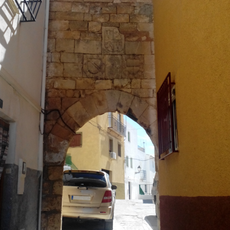
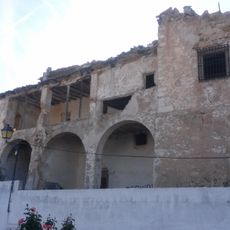
The Casa de Diego Martínez Vadillos on Calle Maestra is a 17th-century stone mansion designed by Eufrasio López de Rojas, the same architect who also worked on the town's church. Its entrance portal is carved with a noble family coat of arms, offering a direct look at how wealthy households displayed their status in that period.
The community of curious travelers
AroundUs brings together thousands of curated places, local tips, and hidden gems, enriched daily by 92,856 contributors worldwide.