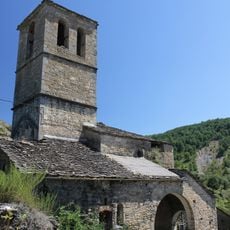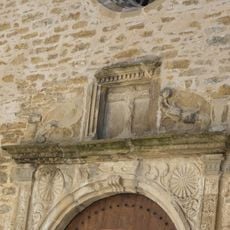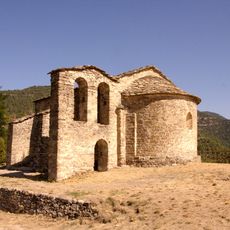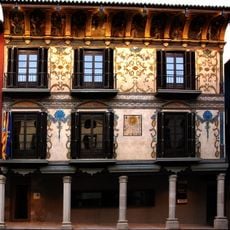
Graus, village in Spain
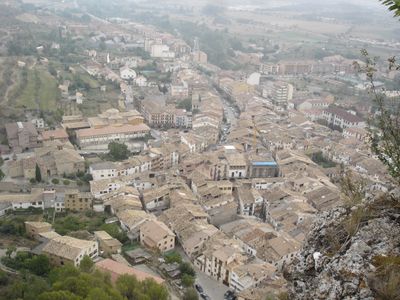
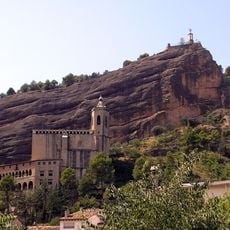
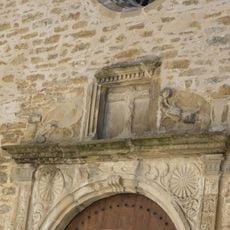
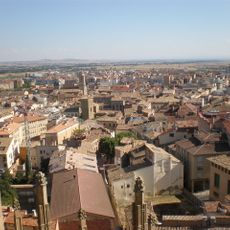
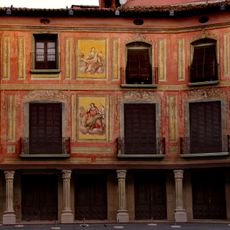
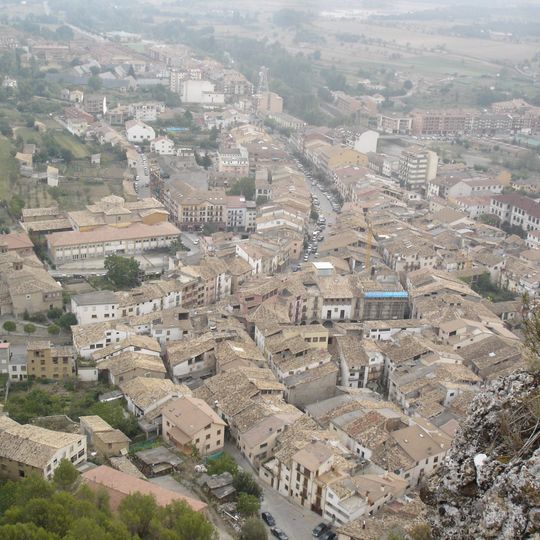
Graus is a municipality in Huesca Province, in the Aragon region of northern Spain, sitting along the Ésera River at the edge of the Pyrenean foothills. The town center is built around a main square lined with old stone buildings, connected by narrow streets that run between multi-story houses.
Graus grew during the Middle Ages as a strategic point in the Ésera valley, and in 1063 it became the site of a notable battle in which King Ramiro I of Aragon was killed while attempting to take the town from Moorish control. This event placed the town at the center of the early Aragonese Reconquista.
Graus is known as the birthplace of Ramiro II, King of Aragon, a fact that gives the town a special place in regional memory. The central square, known as the Plaza Mayor, still serves as the gathering point for local markets and festivals, continuing a tradition that goes back centuries.
Graus works well as a base for exploring the surrounding valleys and villages of the Huesca Province, so staying at least one night makes the most of the area. The town center is easy to cover on foot, and the main sights are all within a short walking distance of each other.
Graus was the birthplace of Joaquín Costa, one of the most influential Spanish thinkers of the late 19th century, whose family home can still be seen in the town. Despite his importance in Spanish intellectual history, he remains largely unknown outside the country.
The community of curious travelers
AroundUs brings together thousands of curated places, local tips, and hidden gems, enriched daily by 92,617 contributors worldwide.