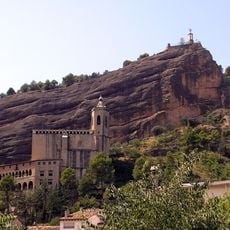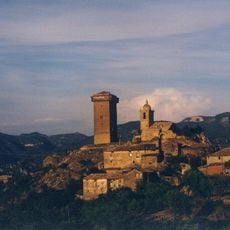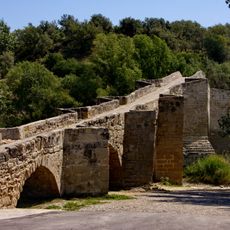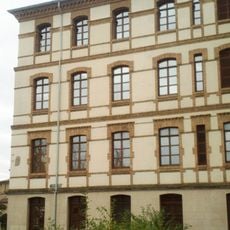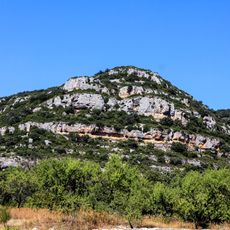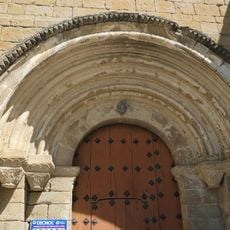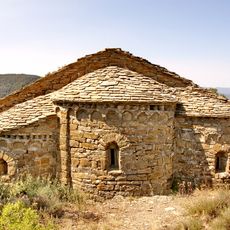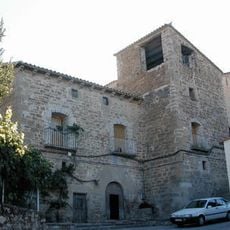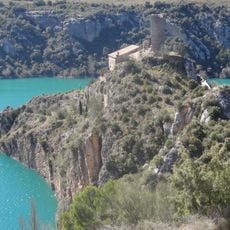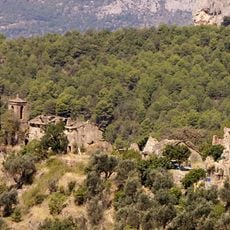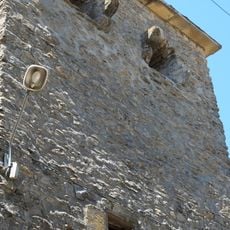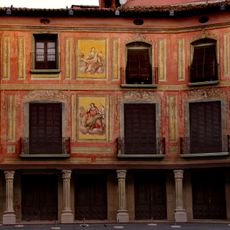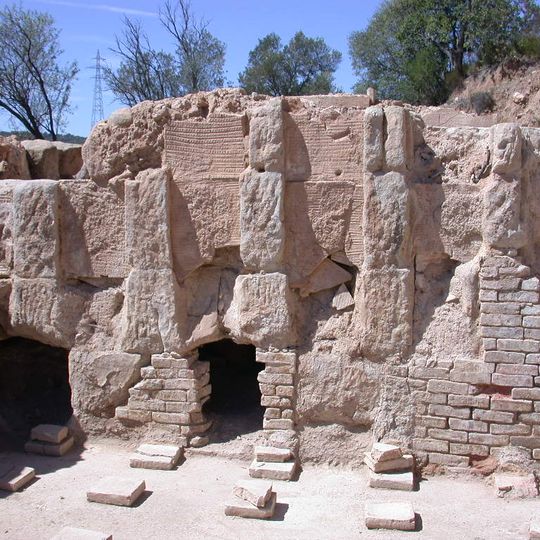
Labitolosa, Archaeological site in La Puebla de Castro, Spain.
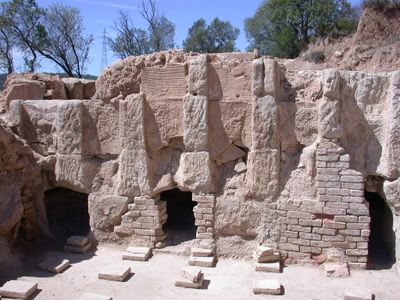
Labitolosa is a Roman excavation site in Huesca Province featuring preserved residential buildings, public spaces, and bathing complexes arranged across a hillside. The exposed structures reveal how an ancient settlement functioned and the construction techniques its inhabitants employed.
The settlement emerged during the Roman period as a prosperous community connected to trade routes across northeastern Spain. Over time it was abandoned and subsequently buried by landslides, a process that actually preserved the structures for later discovery.
Pottery and coins scattered across the site reveal how Roman settlers coexisted with local populations and adopted regional crafting methods. These everyday objects tell stories of trade and shared practices between different groups living here.
Visiting works best on quieter weekdays when fewer people are on site and you can examine the excavations at your own pace. Sturdy footwear is essential since the terrain is uneven and paths between structures can be rough and steep.
The bathing complexes here are remarkably well preserved and demonstrate sophisticated Roman engineering for water systems and heating. These thermal facilities reveal the comfort standards enjoyed by wealthier residents during that era.
The community of curious travelers
AroundUs brings together thousands of curated places, local tips, and hidden gems, enriched daily by 91,693 contributors worldwide.