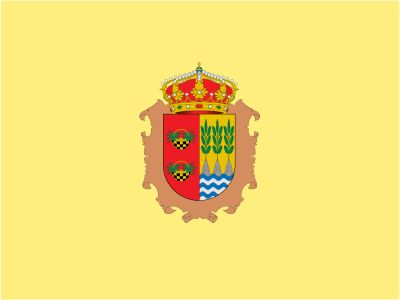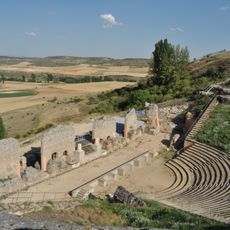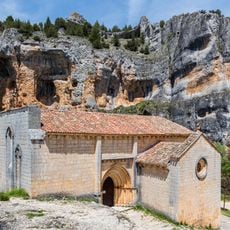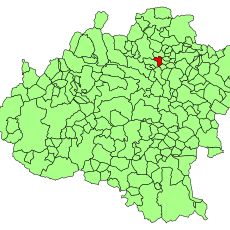
San Leonardo de Yagüe, municipality of Spain
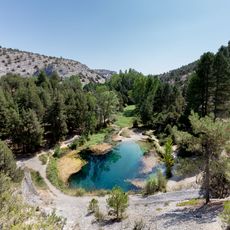
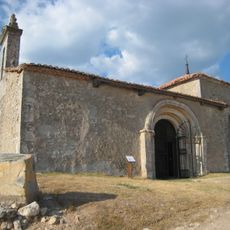
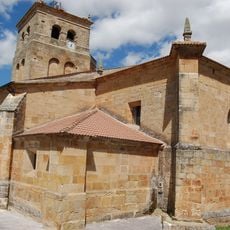
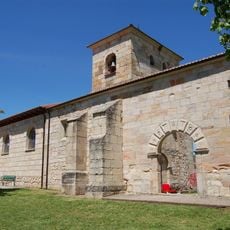
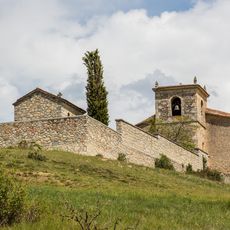
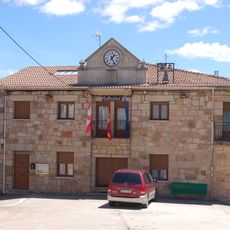
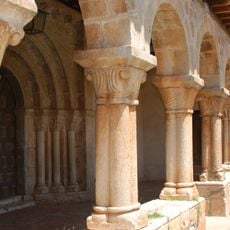
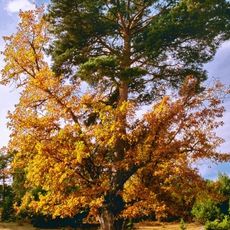
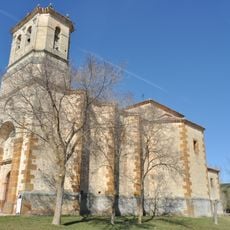
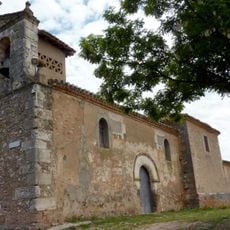
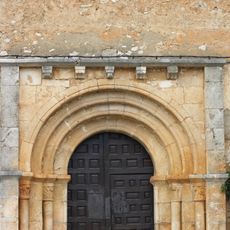
San Leonardo de Yagüe is a small village in northern Spain within the Pinares Comarca, surrounded by dense pine forests and near the Lobos River Canyon. The village sits at about 1,100 meters elevation and is sheltered by a mountain to the southwest, with most buildings constructed from stone or brick in a simple, practical design.
The village likely began in the 10th or 11th century, with its first mention in a document from King Alfonso VIII in 1173. Over the centuries, woodworking became central to the local economy, as records from the 1500s show the village was obligated to supply wooden beams to monasteries.
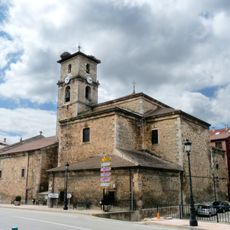
The town is named after a local patron saint and shows through its streets and buildings how forestry and craftsmanship have shaped daily life here. Residents celebrate traditions like the Maypole festival in May, when young men go together to cut and raise a pine tree in a community event.
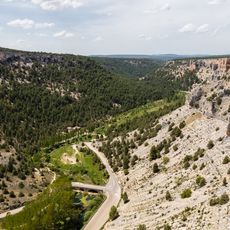
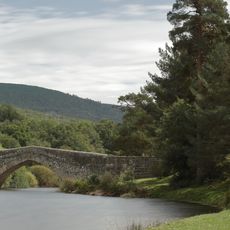
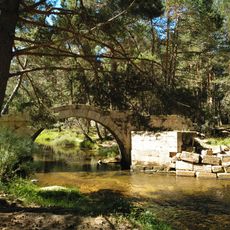
The village is easy to explore on foot and sits near the Lobos River Canyon, which is suited for hiking and biking. Visitors should bring appropriate outdoor clothing since the forested terrain can be rugged and weather at this elevation can change quickly.
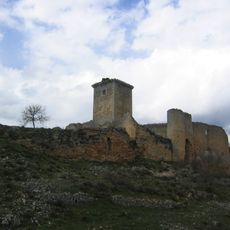
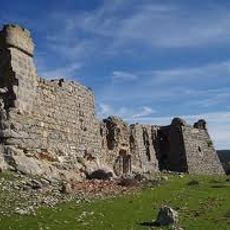
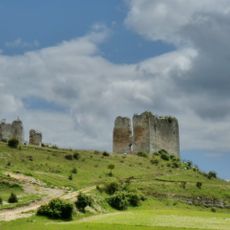
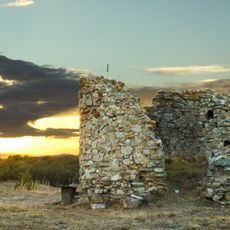
An old castle from the 1500s sits high on a hill overlooking the village and was built as a fortress with thick walls and watchtowers. Today it lies in ruins, but some of its stones were reused in village homes and parts of its foundations remain visible.
The community of curious travelers
AroundUs brings together thousands of curated places, local tips, and hidden gems, enriched daily by 91,124 contributors worldwide.