Clunia, Roman archaeological site in Peñalba de Castro, Spain.
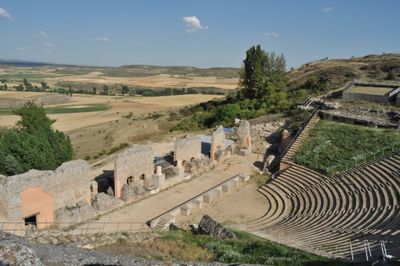
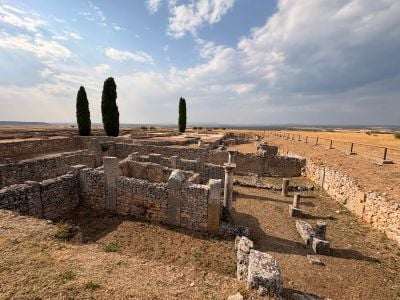
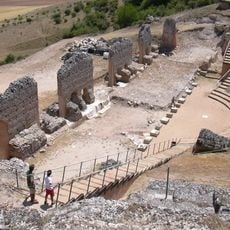
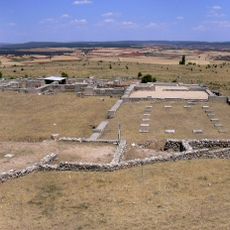
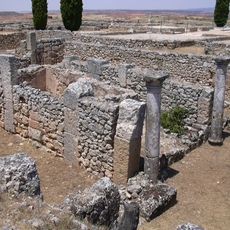
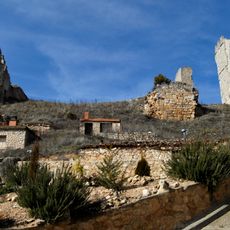
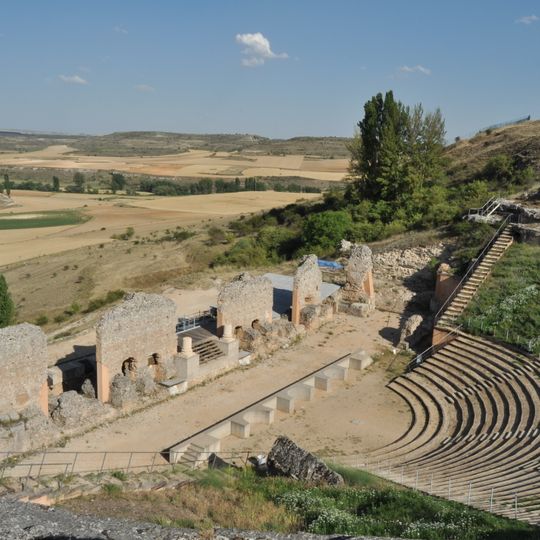
Clunia is an excavated Roman settlement on Alto de Castro hill near Peñalba de Castro that displays a theater carved into rock, several thermal bath complexes, a forum area, and residential districts. The remains lie scattered across a broad hilltop with views over fields and villages below.
Emperor Tiberius founded the colony in the 1st century AD and made it the capital of a large administrative district in northern Hispania. The settlement lost importance in the 3rd century when political shifts and economic difficulties pushed residents away.
The ancient theater preserved its original scale and accommodates thousands of people who now sit on the same stone steps during summer performances as their predecessors did two millennia ago. Using the space for live performances connects the tradition of storytelling with the landscape all around.
The site sits on an open hill with limited shade, so a hat and water are advisable during warmer months. Sturdy shoes help on the partly uneven paths between excavated areas.
Beneath the settlement runs a system of natural caves and artificial channels that carries water to three separate bath complexes built at different points on the hill. This underground network supplied the thermal baths and shows the technical planning of Roman water engineers.
The community of curious travelers
AroundUs brings together thousands of curated places, local tips, and hidden gems, enriched daily by 91,750 contributors worldwide.