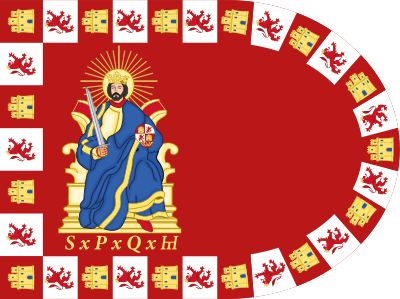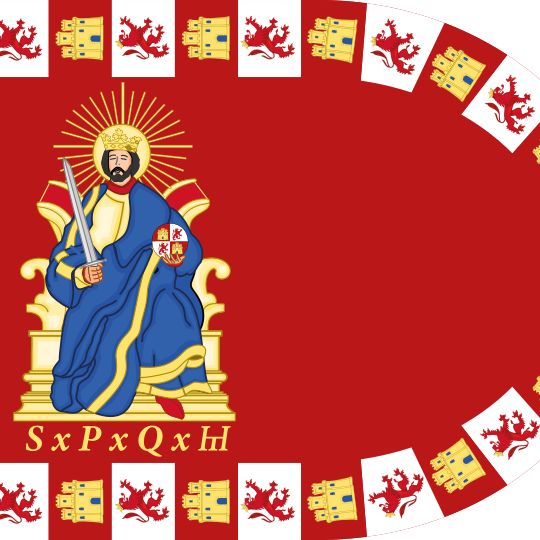
Kingdom of Seville, Medieval kingdom in Andalusia, Spain.
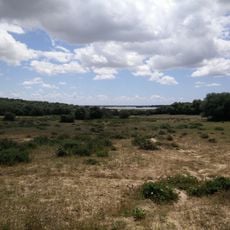
The Kingdom of Seville was a medieval realm in southern Spain that spread across present-day provinces of Huelva, Cadiz, Malaga, and parts of Extremadura. The Guadalquivir River formed the natural spine of this region, connecting its diverse territories.
Ferdinand III conquered the region in 1248 from Muslim rule and established the Kingdom of Seville as part of the Crown of Castile. This event marked the end of Islamic rule in southern Spain and the beginning of a new Christian order.
The Kingdom of Seville was governed by a feudal structure that divided nobles, clergy, and common people into distinct social layers. This hierarchy shaped daily life and determined who could own land and how communities were organized.
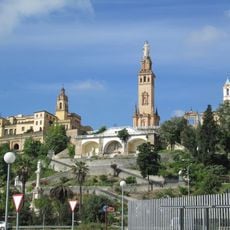
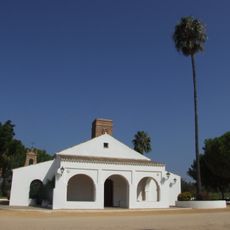
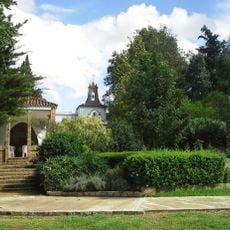
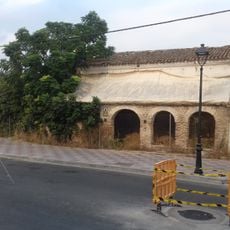
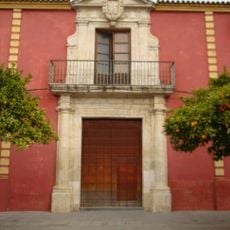
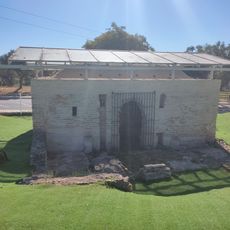
The Kingdom existed as an administrative territory until 1833, when the modern provincial system replaced the old kingdoms. Today, visitors can explore this region's history through its cities, architecture, and archaeological remains.
The Kingdom controlled Seville's port during the Spanish colonial period, which held the exclusive monopoly on trade with the Americas. This control made the region the economic powerhouse of the 16th century and brought vast wealth into the realm.
The community of curious travelers
AroundUs brings together thousands of curated places, local tips, and hidden gems, enriched daily by 92,187 contributors worldwide.