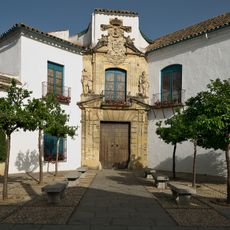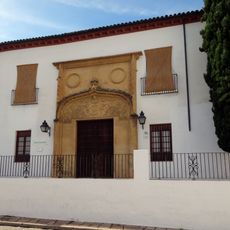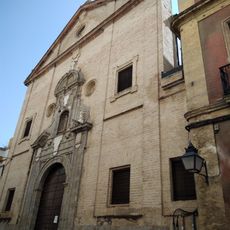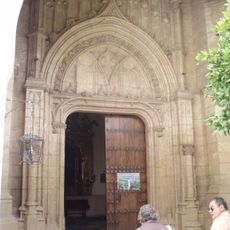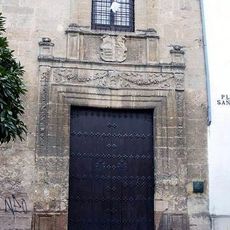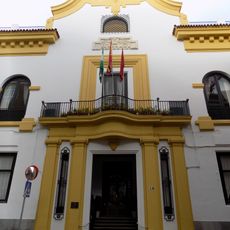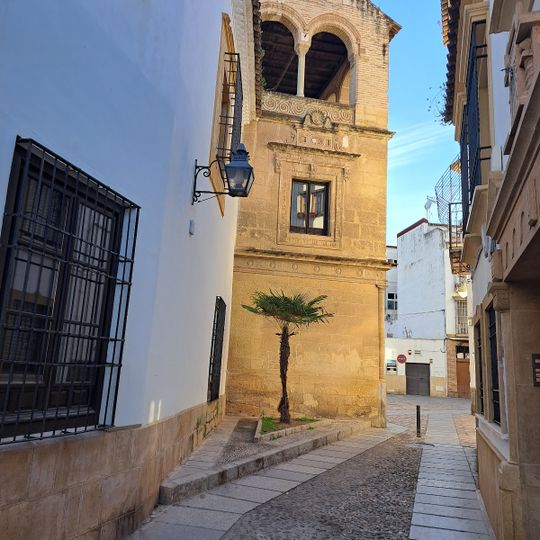
Palacio de los Villalones, Renaissance palace in Córdoba, Spain.
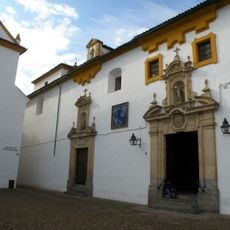
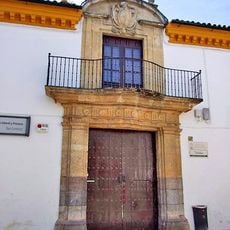
The Palacio de los Villalones is a Renaissance palace in Córdoba featuring symmetrical proportions with decorative arches framing the entrance and an ornate medallion above the main doorway. The interior layout and rooms reflect typical Renaissance design and spatial organization of the period.
The palace was built in 1560 by architect Hernán Ruiz II and took its current name when Alonso de Villalón y Orive became its owner in 1718. During the Napoleonic period, the building served briefly as military barracks.
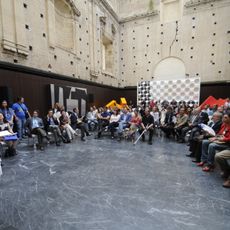
The palace now houses the Cultural Department of Córdoba City Council, with its Renaissance rooms serving as exhibition spaces for contemporary art. This blend of historical architecture and modern creativity shapes how the building is used today.
The building sits near Plaza de Orive in the San Andrés-San Pablo neighborhood and is easily accessible on foot. Visitors interested in architecture or current exhibitions should check in advance about any special tours or opening hours available.
A Latin inscription reading "Bona Fides est Magna Virtus" appears on the central medallion, where a female figure holds it on a ribbon. This philosophical motto was a common feature in Renaissance palaces of the era and reveals something about the values of the building's original owners.
Location: Córdoba
Architects: Hernán Ruiz Jiménez
Architectural style: Renaissance architecture
Address: Plaza de Orive
Opening Hours: Monday-Friday 08:30-14:30
Phone: +34957485001
Website: https://cultura.cordoba.es/equipamientos/palacio-sala-y-jardines-de-orive
GPS coordinates: 37.88564,-4.77398
Latest update: December 6, 2025 17:45
The historical monuments of Córdoba document architectural development from the 1st to the 20th century. The Mosque-Cathedral with its 856 columns forms the centerpiece of the religious heritage. The Alcázar de los Reyes Cristianos with its terraced gardens and the Roman bridge over the Guadalquivir River bear witness to the Roman and Moorish past. The archaeological site of Medina Azahara lies outside the city and displays the remains of the 10th-century palace city. Medieval churches and Renaissance palaces line the historic center. Traditional courtyards with fountains and flowers characterize the residential quarters of the old town.
Plaza de la Corredera
236 m
Palacio de los Marqueses de Viana
323 m
Templo romano
231 m
Templo romano calle Claudio Marcelo
233 m
Christ of the Lanterns
426 m
Iglesia de San Pablo
122 m
Iglesia de San Andrés Apóstol
92 m
Iglesia de la Magdalena
424 m
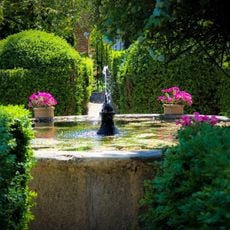
Jardines de Orive
44 m
Casa del Bailío
357 m
Monasterio Cisterciense de la Inmaculada Concepción
239 m
Monasterio de Santa Marta
147 m
Sala Orive
69 m
Palacio de los Luna
61 m
Baños árabes de San Pedro
334 m
Torre de Santo Domingo de Silos
421 m
Torre de la Puerta del Rincón
381 m
Real Círculo de la Amistad
325 m
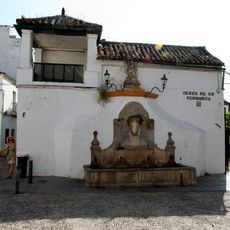
Fuente de la Fuenseca
235 m
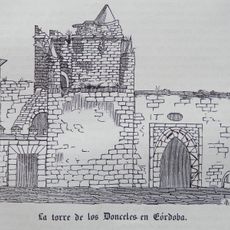
Donceles tower
444 m
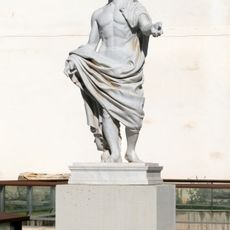
Statue of Claudius Marcellus
253 m
Cine Olimpia
402 m
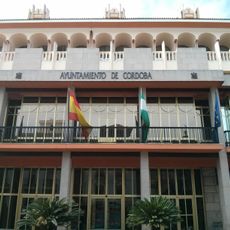
Town hall of Córdoba, Spain
207 m
Iglesia de los Dolores y Hospital de San Jacinto
393 m
Convento de San Rafael
402 m
Palacio de los Muñices
312 m
Jardín del Palacio de los Marqueses de Viana
358 m
Cines Isabel La Católica
414 mReviews
Visited this place? Tap the stars to rate it and share your experience / photos with the community! Try now! You can cancel it anytime.
Discover hidden gems everywhere you go!
From secret cafés to breathtaking viewpoints, skip the crowded tourist spots and find places that match your style. Our app makes it easy with voice search, smart filtering, route optimization, and insider tips from travelers worldwide. Download now for the complete mobile experience.
A unique approach to discovering new places❞
— Le Figaro
All the places worth exploring❞
— France Info
A tailor-made excursion in just a few clicks❞
— 20 Minutes