Carmona, Historic village in Cabuérniga Valley, Spain
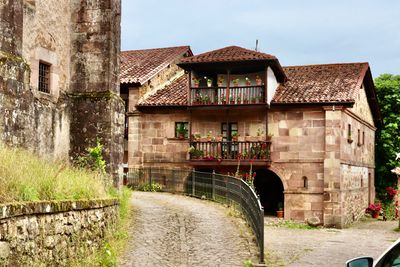
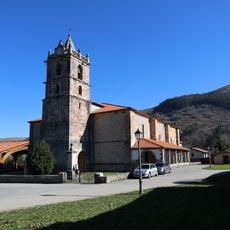
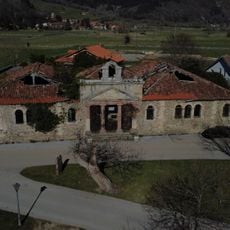
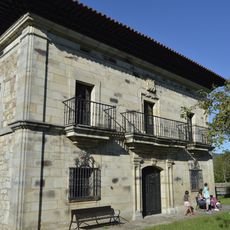
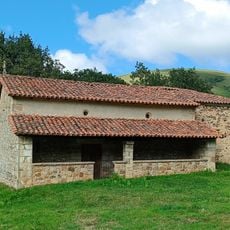
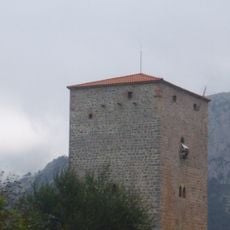
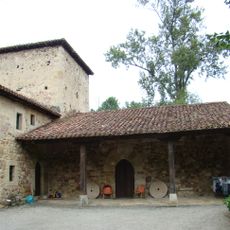
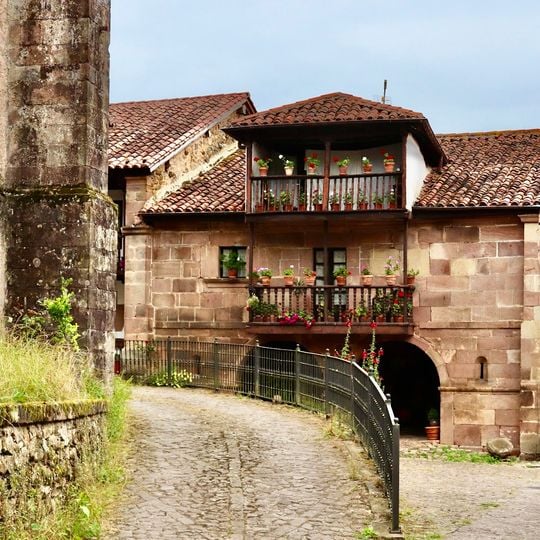
Carmona is a hamlet nestled in the Cabuérniga Valley between mountain slopes, displaying stone houses and traditional structures alongside the Palace of Rubín de Celis. The José María de Cos Ecomuseum occupies an 18th-century manor and shows how people here once managed agriculture, forestry, and livestock on the mountainside.
The settlement earned its cultural heritage designation because of preserved mountain-style buildings from the 16th century and notable mansions built across different periods. These structures tell the story of families who settled and thrived in this valley over many generations.
Local craftspeople once made albarcas, wooden shoes meant to protect feet from wet ground, giving the place its name as the 'Flower of Albarqueros'. This tradition continues to shape how people here think about their connection to the valley.
Walking is the best way to explore, so wear sturdy shoes since the paths between buildings are uneven and sometimes steep. Visit during warmer months when mountain trails are easiest to navigate and the surroundings feel most welcoming.
The natural area called La Castañera holds numerous ancient chestnut trees that are recorded in Cantabria's registry of special trees. Some have stood since before people first settled here, creating a living link to the valley's deep past.
The community of curious travelers
AroundUs brings together thousands of curated places, local tips, and hidden gems, enriched daily by 91,611 contributors worldwide.