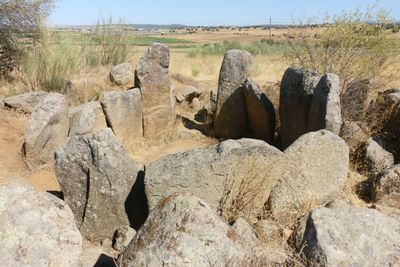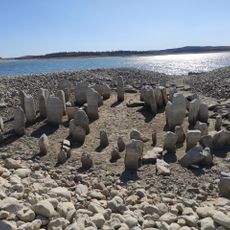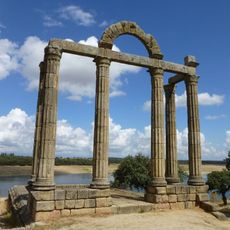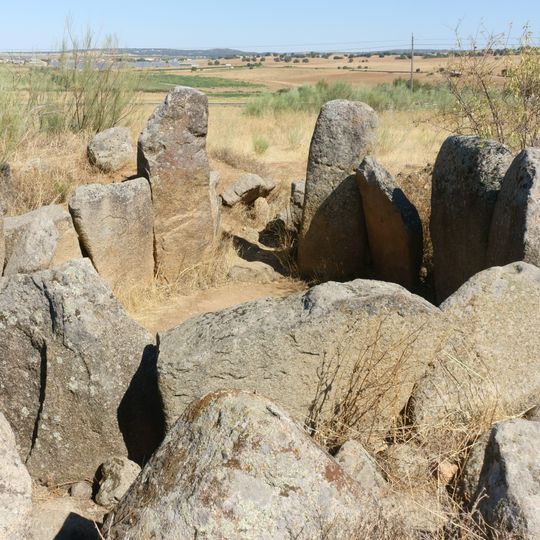
Dolmen de Azután, Neolithic dolmen in Azután, Spain
Dolmen de Azután is a megalithic burial structure in Spain built with a central chamber and corridor lined with large granite blocks. The interior walls feature around 84 carved bowls and geometric patterns that give the monument its distinctive appearance.
This burial site originated in the Middle and Late Neolithic period, around the 5th millennium BCE. It remained in use as a collective grave throughout the Chalcolithic era, serving generations of the local population.
The carved symbols on the stone walls show wavy lines, zigzag patterns, and figures that reveal how ancient people saw their world. These decorations suggest that burial practices held deep meaning for the community.
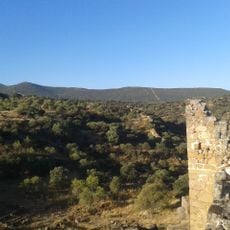
The monument sits in the Tagus River valley and offers free public access for those interested in examining prehistoric construction methods. Checking ahead online is wise to ensure the site is accessible when you plan to visit.
Twenty-six of the granite blocks bear a distinctive wide groove that runs across the chamber, the peristaltic ring, the corridor, and the burial mound. This unusual feature distinguishes this dolmen from other megalithic structures in the region.
The community of curious travelers
AroundUs brings together thousands of curated places, local tips, and hidden gems, enriched daily by 60,000 contributors worldwide.