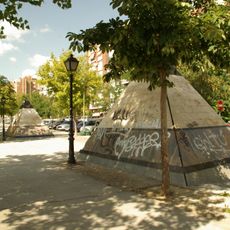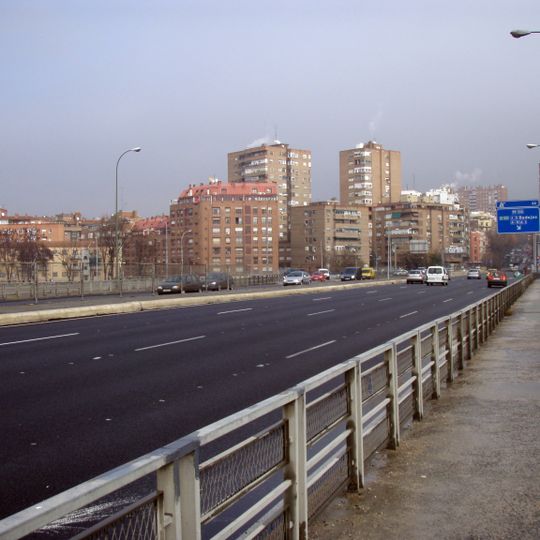
Paseo de Santa María de la Cabeza, street in Madrid
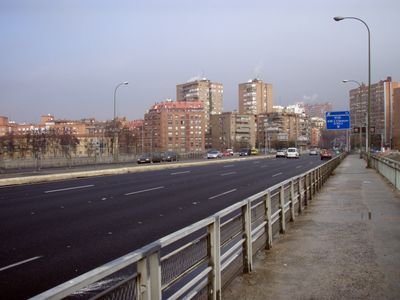
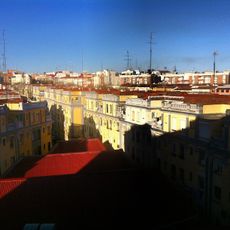
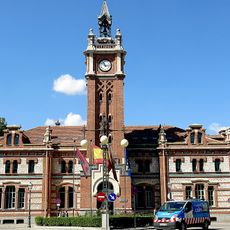
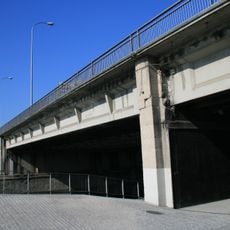
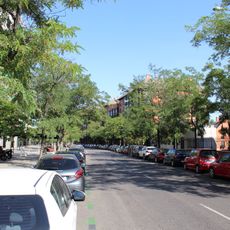
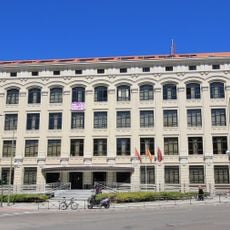
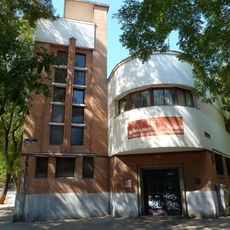
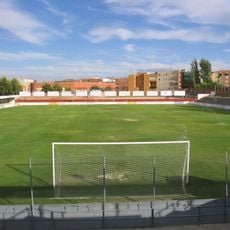
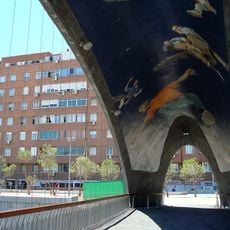
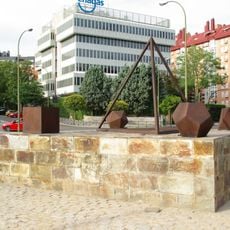
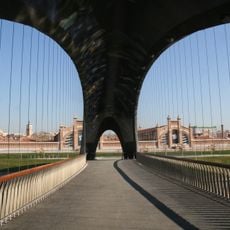
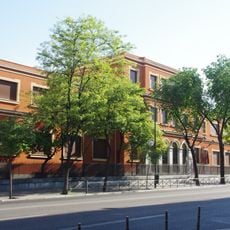
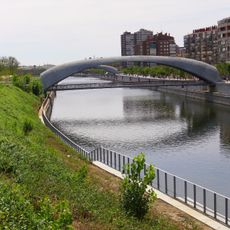
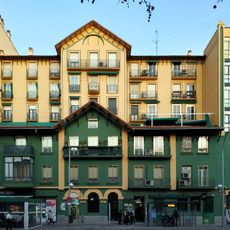
Paseo de Santa María de la Cabeza is a street in Madrid running from the Glorieta de Atocha to Plaza Elíptica, crossing through multiple neighborhoods and spanning several kilometers. The route passes through a mix of older buildings and newer construction, with some sections running underground beneath major roads and the Manzanares River.
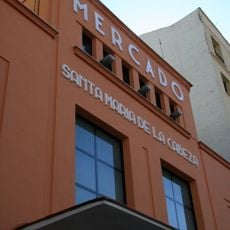
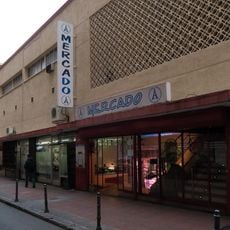
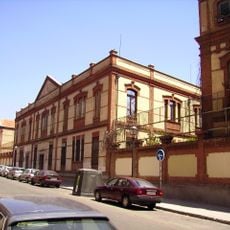
The street was paved in the 1700s under King Fernando VI to improve transportation connections. During the late 1800s and early 1900s, the area expanded with factories such as the Osram light bulb plant and a market that opened in 1935, transforming it from a rural path into a residential and commercial district.
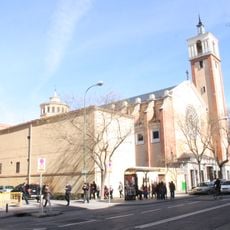
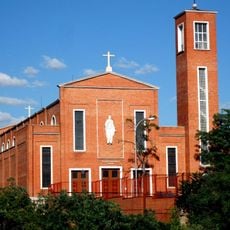
The street takes its name from a chapel built in the 1700s dedicated to Santa María de la Cabeza, a saint venerated by local believers. This religious connection shaped the area for centuries, even though it has since transformed into a busy urban thoroughfare serving modern neighborhoods.
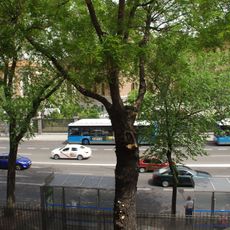
Walking or biking is the best way to explore the street, especially in less congested sections where pedestrian traffic flows smoothly. During busy times, car traffic can be heavy, so early mornings or afternoons are better if you prefer a more relaxed experience.
In the 1990s, a man tried to sell large bones at a market along the street, claiming they were relics of Santa María de la Cabeza. This memorable incident reveals how strong local legends and devotion to the saint remain in the area to this day.
The community of curious travelers
AroundUs brings together thousands of curated places, local tips, and hidden gems, enriched daily by 92,005 contributors worldwide.