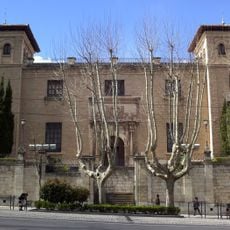
Real Monasterio de Santa Clara, Gothic convent and church complex in Jaén, Spain
The Royal Monastery of Santa Clara is a Gothic complex with a rectangular nave featuring intricately decorated Mudéjar coffered ceilings and two distinct choir spaces. The interior shows careful attention to both structural design and ornamental detail typical of its period.
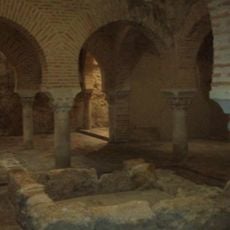
The monastery was founded in the 13th century by Ferdinand III in the Arrabal de las monjas outside the city walls, and moved inside after an attack. At its rear, where a large garden now lies, stood one of Jaén's early Jewish synagogues; after the persecutions of 1391 it became the church of Santa Cruz, dependent on San Andrés, and later a parish. Disputes over its bell tower, which overlooked the cloister, ended with the spaces passing to the monastery.
The nuns embroider on commission and sell modest handmade sweets from the monastery; the courtyard's two Latin-inscribed stones, one from the 17th century, help cover community expenses. A local tradition has couples offer eggs to the saint to request sunshine for their wedding day.
The monastery is a cloistered community, so visits are limited to the church and the exterior courtyard. The church is entered from Calle Santa Clara, and the courtyard garden with its cypress and statue is reached through the same entrance. The nuns sell sweets and embroidered items through a turnstile, and guided visits can be arranged for groups.
Two very old stones inscribed in Latin hang in the outer courtyard, one from the 17th century and another later; they were displayed to help cover the community's expenses. The same courtyard holds a large cypress and a statue of the Virgin installed by the monastery's chaplain, Juan Bautista Monzón Ruiz.
The community of curious travelers
AroundUs brings together thousands of curated places, local tips, and hidden gems, enriched daily by 95,079 contributors worldwide.