Yacimiento arqueológico de Malamoneda, cultural property in Hontanar, Spain
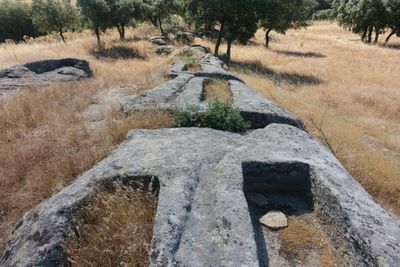
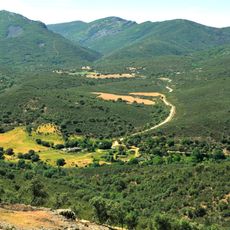
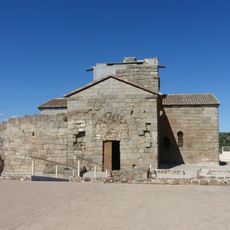
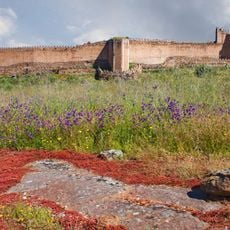
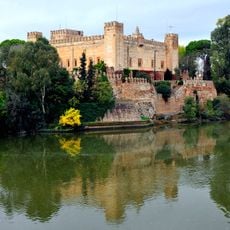
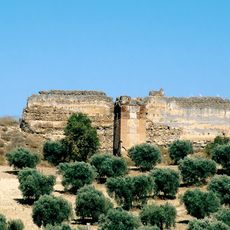
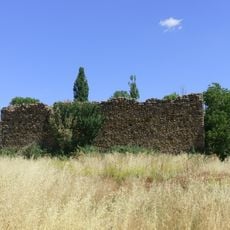
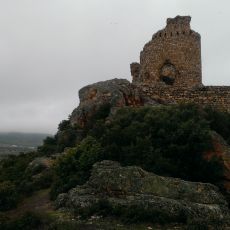
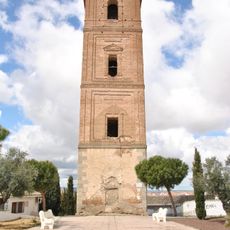
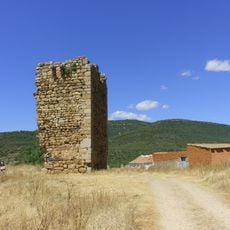
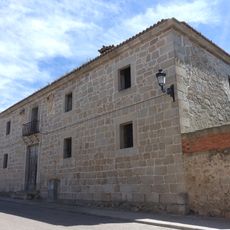
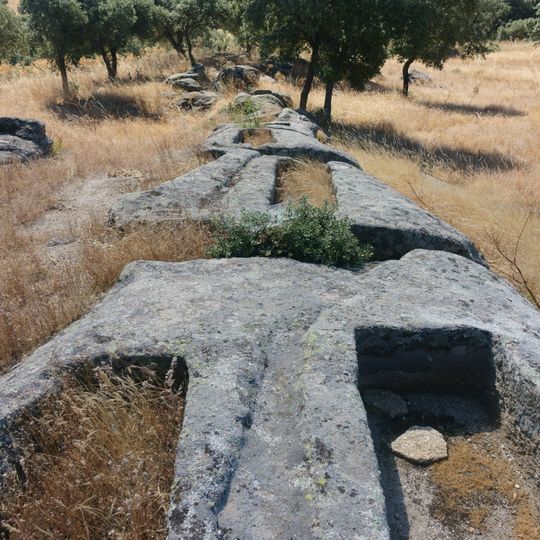
Malamoneda is an archaeological site in the Cedena river valley with remains spanning Roman, Visigothic, Islamic, and medieval Christian periods. The location features residential structures, a burial ground with roughly 100 graves carved into granite, a medieval tower from the 12th to 14th centuries, a fortified stone building with defensive openings, and scattered Paleolithic stone tools near the creek.
The site has been occupied since Paleolithic times through successive periods of Roman, Visigothic, Islamic, and medieval settlement. It gradually lost importance from the late 1500s onward and was eventually abandoned, though its ruins remain as evidence of continuous human habitation.
The site reflects how different peoples coexisted here across centuries, leaving their marks through burials, homes, and structures. Local communities today recognize Malamoneda as a connection to their regional roots and cultural identity.
The site can be explored on foot, allowing visitors to walk among the ruins and carved graves spread across the rocky northern section. Visit when weather conditions are favorable and daylight is strong, as the carved tombs and inscriptions are easier to see in good light.
Among the findings are two Roman-style grave markers inscribed with names and dedications, carved from large granite blocks that reveal personal stories of those who commissioned them. These stones offer rare glimpses into the identity and status of people from ancient times.
The community of curious travelers
AroundUs brings together thousands of curated places, local tips, and hidden gems, enriched daily by 60,000 contributors worldwide.