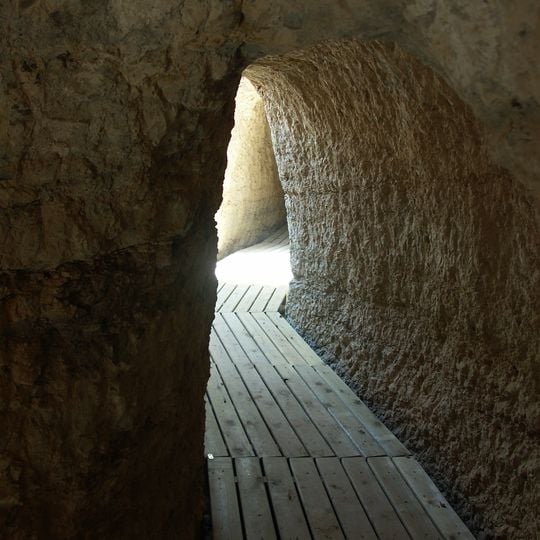
Aquaduct of Albarracín-Gea-Cella, Roman aqueduct in Sierra de Albarracín, Spain
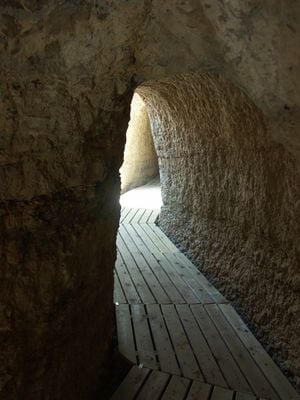
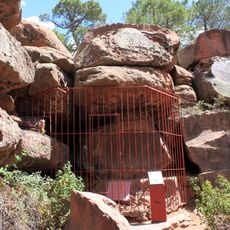
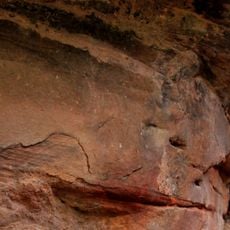
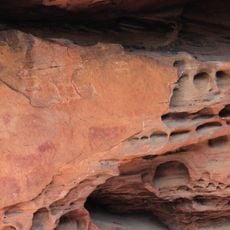
The Aquaduct of Albarracín-Gea-Cella is a Roman water system stretching across several kilometers between the two locations. It combines underground galleries, open channels, and ventilation shafts that once carried water from the river to supply communities downstream.
Built in the first century AD, this water transport system carried water from the Guadalaviar River to a Roman settlement in the area. The construction demonstrated advanced engineering knowledge adapted to mountain terrain.
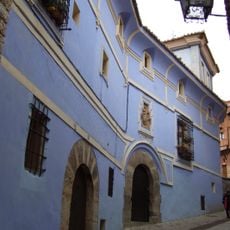
The aqueduct appears in the Poema de mio Cid as "Celfa, la del canal", a literary mention of the channel that supplied Cella. Scholars took up the work only from 1978, with Aguirre Lahuerta's book on Cella, and in 1981 Eustaquio Castellano Zapater published the first scientific study. In 2002 it was declared a Bien de Interés Cultural.
Several sections of the aqueduct are open to visitors, with information panels explaining ancient construction techniques. Wear sturdy shoes and bring a flashlight if you plan to explore the underground passages.
To build this system, Roman workers excavated roughly nine kilometers of rock underground to create precise water channels. This shows the enormous effort ancient societies invested in reliable water infrastructure.
The community of curious travelers
AroundUs brings together thousands of curated places, local tips, and hidden gems, enriched daily by 94,836 contributors worldwide.