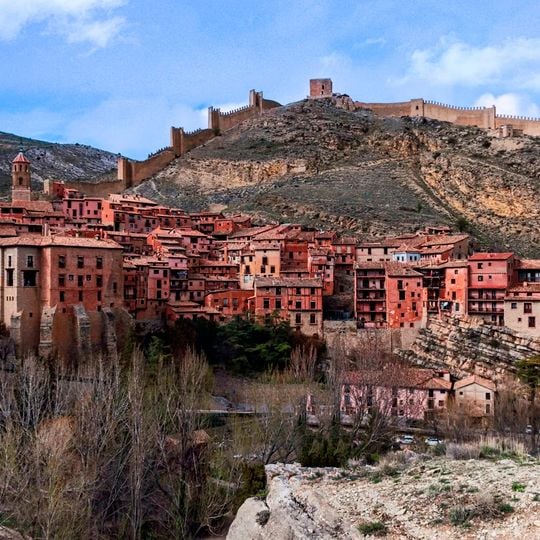
Albarracín Cultural Park, Protected cultural park in Sierra de Albarracín, Spain
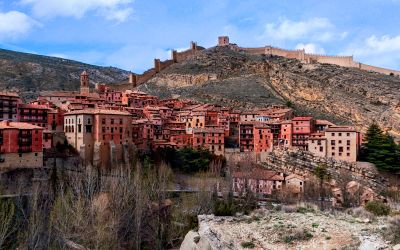
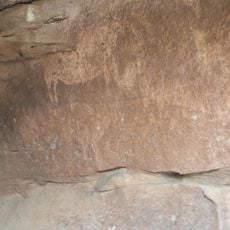
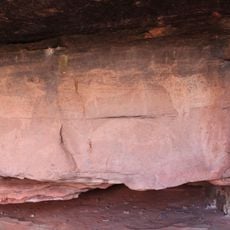
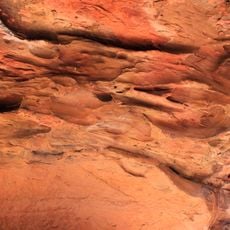
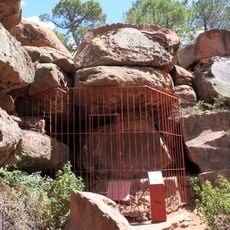
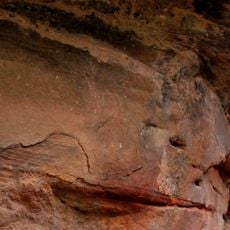
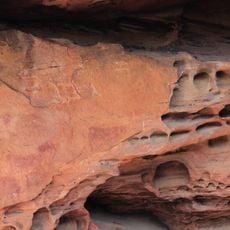
Albarracín Cultural Park is a protected area in the Sierra de Albarracín with red sandstone formations shaped by erosion into gorges, scarps, and distinctive rock patterns. The site contains over two dozen locations with prehistoric rock paintings plus two larger engraving sites in nearby areas.
Rock paintings were discovered in 1892 and marked the first recognition of prehistoric art on the Iberian Peninsula. This discovery led to further archaeological finds in the region and changed understanding of early human history.
The rock art in this park shows two different prehistoric styles: lifelike animal depictions and abstract geometric patterns from the Stone Age. These artworks reveal how early people recorded their surroundings and daily life through images.
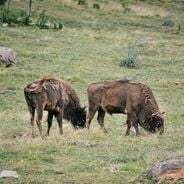
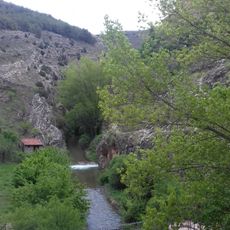
Colored marked trails guide visitors through the rock art locations, geological formations, and natural landscapes throughout the park. The paths are designed so you can easily explore the red rock formations and observe the diverse plants and wildlife.
The area spans multiple towns, with engravings in Pozondón and Ródenas that are equally ancient as the better-known paintings. This scattered arrangement shows that prehistoric art production was spread across a wider region rather than concentrated at a single location.
Location: Albarracín
Address: 44126 Albarracín, Teruel, Spain
GPS coordinates: 40.40703,-1.44312
Latest update: December 6, 2025 19:08
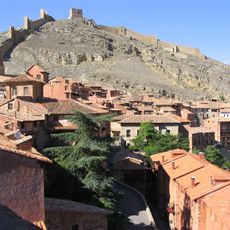
Aragon stretches across three provinces in northeastern Spain, preserving more than two thousand years of history through its monasteries, castles and medieval villages. The region displays Moorish towers in Teruel, Romanesque churches in the Pyrenees and Gothic bridges along ancient trade routes. Natural parks protect limestone canyons, caves holding prehistoric paintings and mountain ranges extending to the French border. Visitors explore fortified villages such as Albarracín and Sos del Rey Católico, where stone walls and narrow lanes tell of medieval life. The 11th-century Castillo de Loarre stands on a hilltop overlooking the Ebro valley, while Sierra de Guara Natural Park provides trails through deep gorges. Monasteries including San Juan de la Peña and Monasterio de Piedra connect religious history with surrounding landscapes, creating destinations that combine cultural heritage with natural environments.
Aquaduct of Albarracín-Gea-Cella
3.4 km
Albarracín city walls
214 m
Castillo de Albarracín
123 m
Albarracín Cathedral
109 m
Ayuntamiento de Albarracín
73 m
Torre Blanca
214 m
Torre del Andador
214 m
Castillo de Santa Croche
3.4 km
Church of Santa María
350 m
Portal del Agua
329 m
Abrigo de la Cocinilla del Obispo
4.2 km
Museo Diocesano de Albarracín
186 m
Museo de Juguetes
602 m
Torre de Doña Blanca
382 m
Abrigo de los Toros del Prado del Navazo
3.9 km
Town hall of Albarracín
141 m
Abrigo del Ciervo
4.3 km
Abrigo de Lázaro
3.7 km
Abrigo de la Fuente del Cabrerizo
2.7 km
Church of Santiago (Albarracín)
146 m
Casa de los Navarro Arzuriaga
131 m
Portal de Molina
198 m
Casa de los Monterde
95 m
Abrigo del Tío Campano
4 km
Episcopal palace of Albarracín
186 m
Casa Navarro Arzuriaga
182 m
Hermitage of San Juan (Albarracín)
258 m
House of the Community
116 mReviews
Visited this place? Tap the stars to rate it and share your experience / photos with the community! Try now! You can cancel it anytime.
Discover hidden gems everywhere you go!
From secret cafés to breathtaking viewpoints, skip the crowded tourist spots and find places that match your style. Our app makes it easy with voice search, smart filtering, route optimization, and insider tips from travelers worldwide. Download now for the complete mobile experience.
A unique approach to discovering new places❞
— Le Figaro
All the places worth exploring❞
— France Info
A tailor-made excursion in just a few clicks❞
— 20 Minutes