Durro, Historic mountain village in La Vall de Boí, Spain
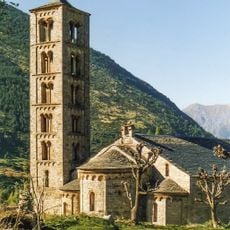
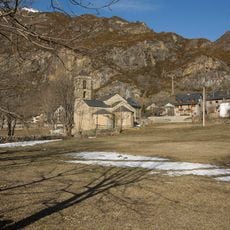
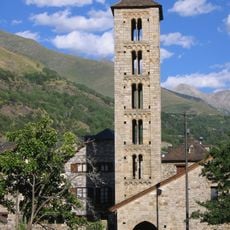
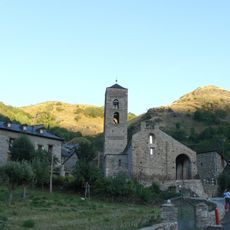
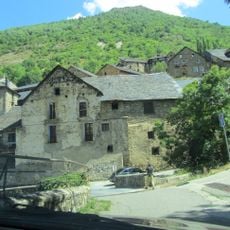
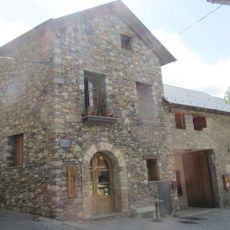
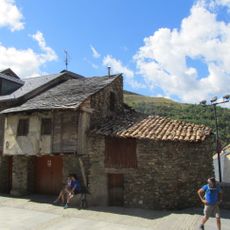
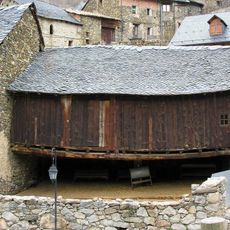
Durro is a mountain village in La Vall de Boí situated at 1396 meters elevation, featuring traditional stone buildings with colorful flower boxes on the balconies. The narrow cobblestone streets connect houses built across different periods that together form a coherent settlement layout.
Durro is first documented in 1064, in feudal agreements between the Pallars comital branches; around 1070 its men swore loyalty to Ramon V of Pallars Jussà. A castle, mentioned in 1154, stood on the Tossal del Castell and has left no remains. By the 1140 agreement the parish passed from the bishopric of Roda to Urgell, under a system of co-rectors; in 1566 Durro had ten co-rectors plus two absent. It remained with the counts of Erill until 1831 and was an independent municipality until 1965.
The name Durro likely derives from the Basque 'ad urru', meaning 'towards afar', or from 'iturri', fountain, according to different scholars. In early June, men descend from the Sant Quirc hermitage carrying lit pine-wood torches, the falles, guided by the fadrí major, ending with a communal meal and dance.
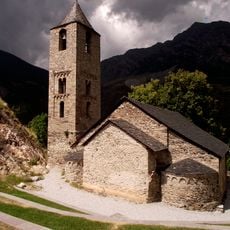
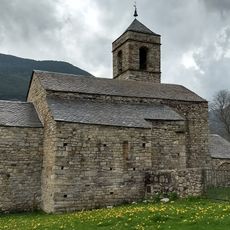
Durro is reached by an asphalted road from Barruera that crosses the river and climbs in serpentine curves. The streets are steep and cobbled, and the village sits at 1,386 m, so sturdy footwear helps. The Romanesque church of Sant Quirc lies south of the village at 1,498 m, reachable by an easy forest track.
Durro had more co-rectors than any other village in the valley: in 1566 there were ten, plus two absent, and a 1723 register calls their number unlimited. The 1373 papal visit names the vicar Pere Amigó. The castle, first mentioned in 1154, stood at the Tossal del Castell; no trace remains.
The community of curious travelers
AroundUs brings together thousands of curated places, local tips, and hidden gems, enriched daily by 94,789 contributors worldwide.