La Vall de Boí, municipality in the province of Lleida, in the autonomous community of Catalonia, Spain
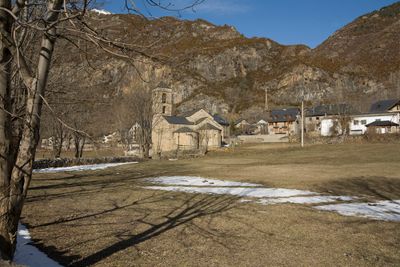
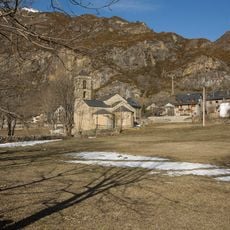
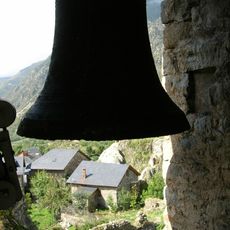
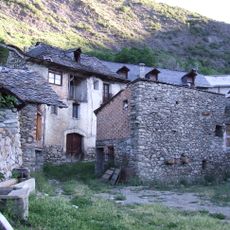
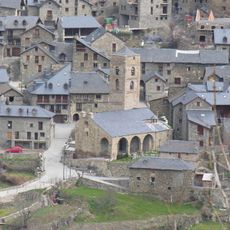
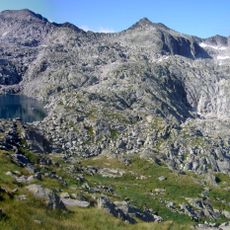
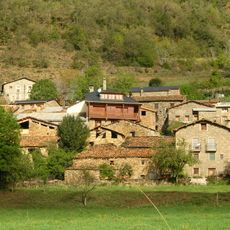
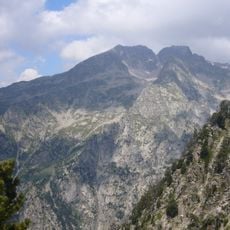
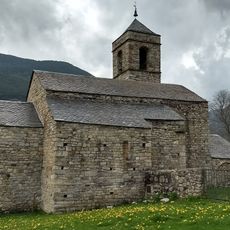
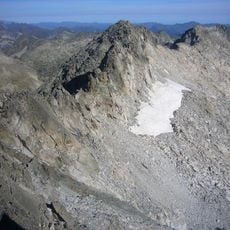
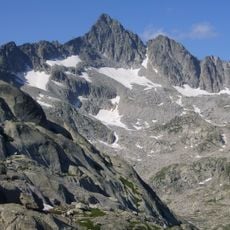
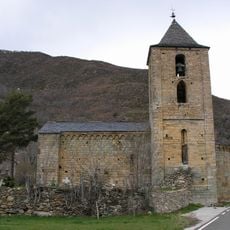
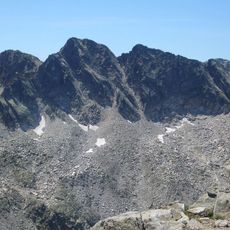
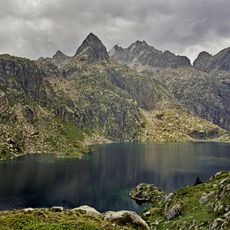
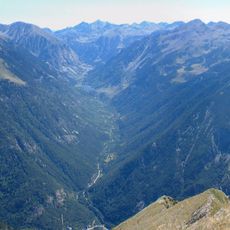
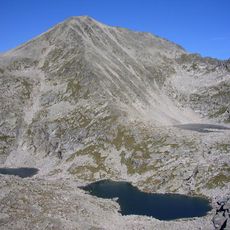
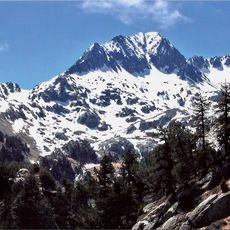
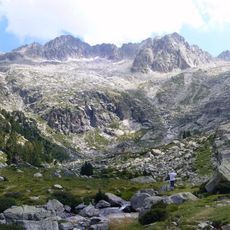
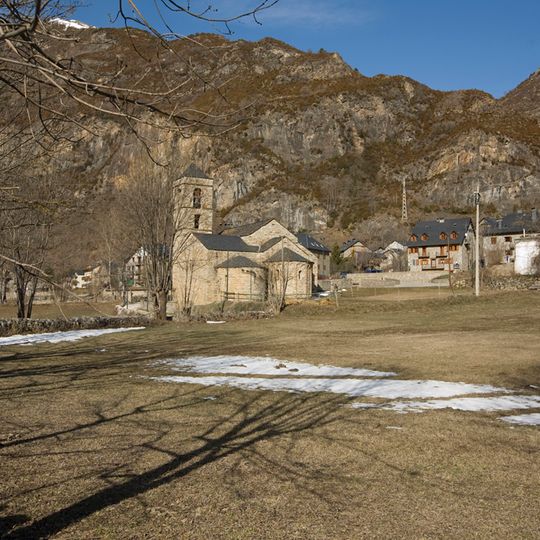
La Vall de Boí is a municipality in the Catalan Pyrenees, made up of eight small villages spread along a mountain valley in the Alta Ribagorça region. The valley borders the Aigüestortes i Estany de Sant Maurici National Park and is home to a group of Romanesque churches, natural hot springs, and a ski resort.
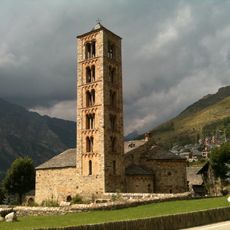
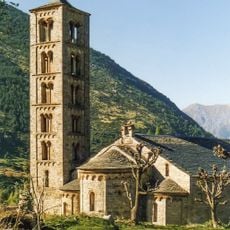
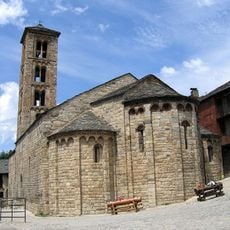
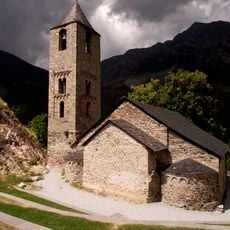
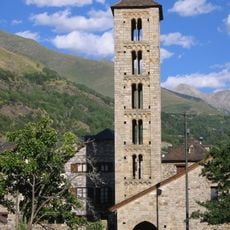
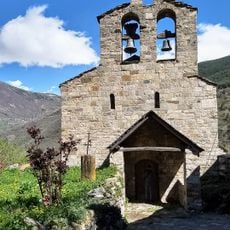
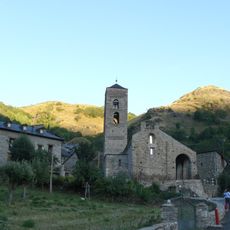
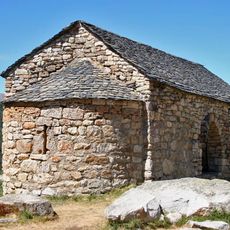
Between the 11th and 12th centuries, local noble families commissioned a series of Romanesque churches across the valley, each built to reflect the power of its patron. The remote location of the valley helped protect these buildings from major alterations in later centuries.
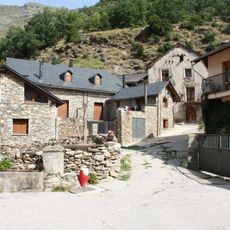
The Romanesque churches scattered across the valley are still used for local celebrations and religious events throughout the year. Walking between the villages, visitors notice how daily life here follows the pace of the seasons, with farming and pastoral traditions still visible.
A car is the most convenient way to move between the villages and reach the national park, as public transport connections are limited. The visitor center in Barruera is a good first stop for maps and information about hiking and church visits.
The original frescoes from the valley's churches were removed from the walls in the early 20th century and taken to the National Art Museum of Catalonia in Barcelona. The churches today display high-quality reproductions in their original positions, so visitors can see the paintings in the space they were made for.
The community of curious travelers
AroundUs brings together thousands of curated places, local tips, and hidden gems, enriched daily by 91,620 contributors worldwide.