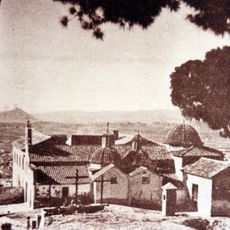
Cabezo Redondo, Bronze Age archaeological site in Villena, Spain.
Cabezo Redondo is an archaeological site on a hilltop where visitors can see remains of ancient dwellings with red and white plastered walls connected by narrow streets. The excavations reveal a well-organized prehistoric village with residential houses, storage areas, and workshop spaces arranged together.
The hill was inhabited between 1500 and 1100 BCE and probably belonged to the Argaric culture, concentrating the population of smaller villages around the former Villena lagoon. Juan Vilanova i Piera may have made the first investigations around 1870, but José María Soler began systematic study in 1959 after metal pieces were found, leading to the 1963 discovery of the Tesorillo. Gypsum quarries had already destroyed much of the site; the remaining area was protected and in 2020 declared an independent bien de interés cultural.
The layout of houses and narrow connecting pathways shows how residents organized their daily life together in this ancient settlement. The arrangement reveals social bonds and shared routines among people who lived in close proximity to one another.
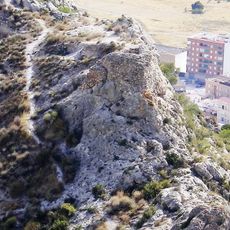
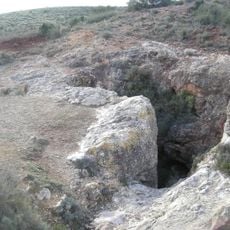
The site is located on a hilltop with open access to the terrain where you can see the entire excavation area clearly. Wear sturdy shoes and bring water, especially in warm weather, as there is little shade across the exposed slopes.
The 2008 excavation recovered a vertical loom with 48 clay weights, which were used to tension the warp threads. The weights show that weaving was done standing at the loom, and the find confirms textile work alongside agriculture and metallurgy at the site.
The community of curious travelers
AroundUs brings together thousands of curated places, local tips, and hidden gems, enriched daily by 95,102 contributors worldwide.