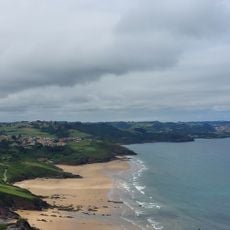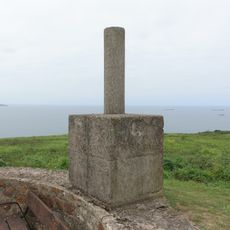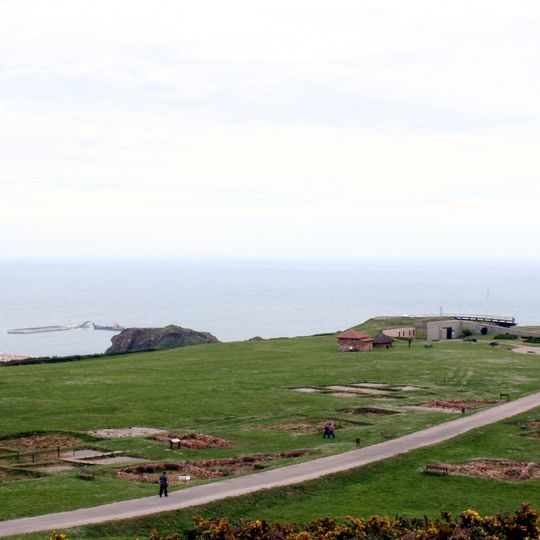
Campa Torres, Archaeological site in Gijón, Spain.
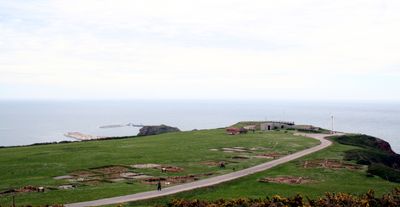
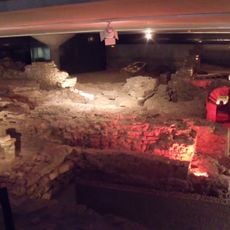
Campa Torres is an archaeological site on the Asturian coast displaying ruins of an ancient fortified settlement with stone houses and carved defensive trenches. Excavations have uncovered multiple wells with descending steps and bronze smelting furnaces positioned beneath residential floor levels.
The settlement originated in the 5th century BC as Oppidum Noega and served as a defensive stronghold for the cilúrnigos population. The site remained occupied through successive periods until the community eventually dispersed.
The site preserves traces of the cilúrnigos people who lived here centuries ago and shaped the settlement's character. Visitors can see how residents organized their homes and workshops, revealing patterns of daily labor and family life through the ruins.
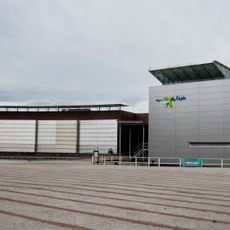
The site covers extensive ground and requires comfortable shoes for walking on uneven surfaces and exposed structures. A museum housed in a former Spanish Civil War bunker displays artifacts and models that help visitors understand the archaeological discoveries.
The site contains three intact wells with descending steps carved directly into rock, revealing how residents obtained water. These underground systems demonstrate the engineering skills and long-term settlement patterns of the ancient community.
The community of curious travelers
AroundUs brings together thousands of curated places, local tips, and hidden gems, enriched daily by 91,129 contributors worldwide.