National Museum of Ceramics and Sumptuary Arts González Martí, Art museum in Ciutat Vella, Valencia, Spain
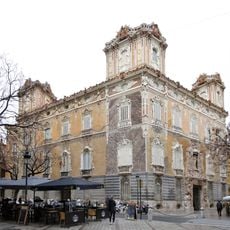
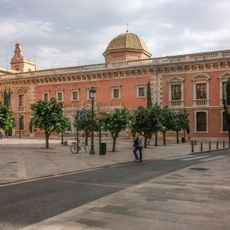
The National Museum of Ceramics and Sumptuary Arts González Martí occupies the Palace of the Marquis of Dos Aguas and displays ceramic collections spanning multiple historical periods. The building itself showcases ornate Rococo architecture, highlighted by an alabaster entrance facade carved with elaborate decorative details.
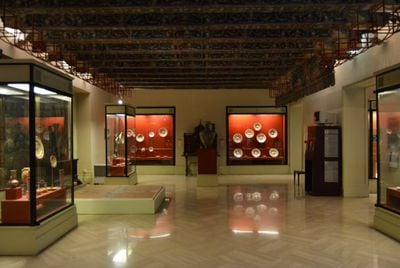
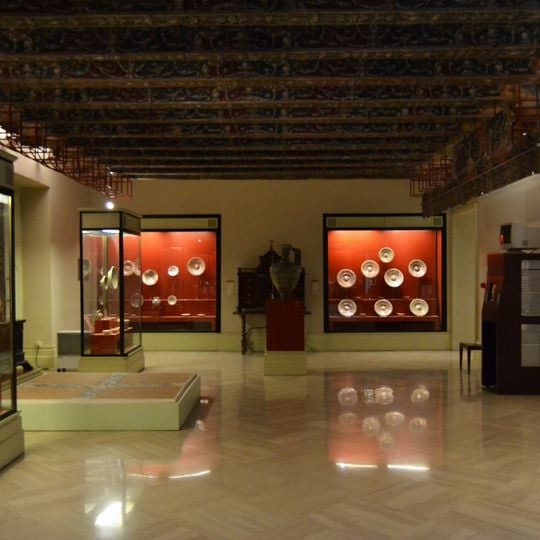
The collection ranges from prehistoric and ancient pieces through Roman, Greek, and Islamic ceramics, including works produced at the Royal Ceramics Factory of Alcora. This assembly of objects in a single palace reflects how the region preserved its ceramic heritage across millennia.
The exhibits feature ceramics from Valencia's pottery towns of Manises, Paterna, and Alcora, each with its own distinct approach to clay and decoration. Walking through the galleries, you notice how each center developed its own character through generations of craftspeople.
The museum occupies the Palace of the Marquis of Dos Aguas in Ciutat Vella, and the visit runs from the ground-floor carriage patio and main staircase up to the marquises' rooms on the first floor and the ceramics galleries on the second. The 1990-1998 restoration by architect Ginés Sánchez Hevia renewed the museum spaces. The palace was declared a historical-artistic monument in 1941.
The palace's alabaster entrance facade, carved by Ignacio Vergara to Hipólito Rovira's design in the mid-18th century, shows two reclining male figures whose water jars pour out the Júcar and Turia rivers. The Virgin Mary crowns the composition. The museum's carriage patio preserves the 1753 "Carroza de las Ninfas" by Hipólito Rovira and Ignacio Vergara.
The community of curious travelers
AroundUs brings together thousands of curated places, local tips, and hidden gems, enriched daily by 93,442 contributors worldwide.