Ribalta Park, Public park in Castelló de la Plana, Spain
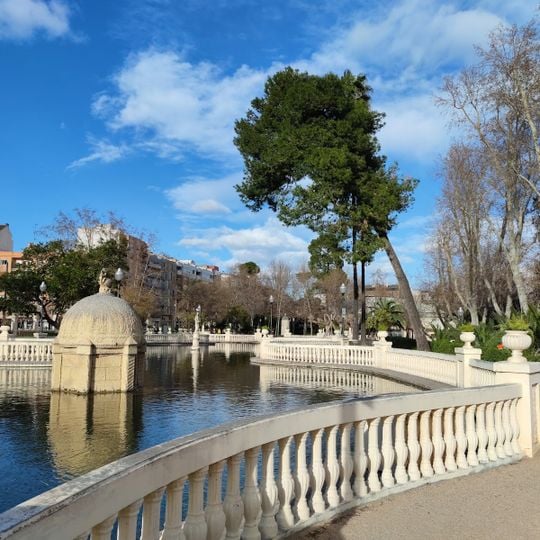
Ribalta Park is a public park in Castelló de la Plana laid out across two connected triangular sections with multiple pathways winding through it. The grounds feature various plant species, sculptures, fountains, and decorative ceramic benches along with a recreational building and pond.
The land was a passage on the Roman Via Augusta and later the Calvario cemetery, opened in 1805 to a design by Vicente Gascó and used until 1868. After the railway arrived in 1862, the city created the garden, naming it after painter Francisco Ribalta in 1868. In 1876 the Count of Pestagua's land enabled the Obelisk park extension, both laid out by engineer Luis Alfonso Brull.
The park holds monuments to Spanish composers like Tárrega, Albéniz, and Falla, reflecting the region's strong musical heritage. A music pavilion with Corinthian columns stands as a reminder of those artistic traditions.
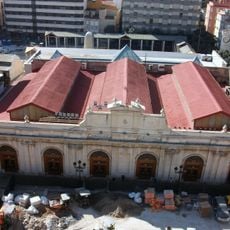
The park sits near the old train station and current bullring, offering direct access to the city's central squares from its edges. The La Pérgola building within the grounds regularly hosts community gatherings and events.
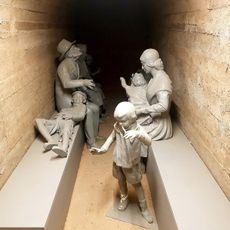
The old Calvario cemetery opened here in 1805, designed by Valencian architect Vicente Gascó, and stayed in use until 1868. During TRAM works in 2009, human remains were found, revealing that the ossuary had never been fully cleared. Some sources hold that the French astronomer Pierre Méchain, who died in Castellón in 1804, lies among them, though this has not been confirmed.
The community of curious travelers
AroundUs brings together thousands of curated places, local tips, and hidden gems, enriched daily by 95,091 contributors worldwide.