Estación de León-Norte, former railway station in León, Spain
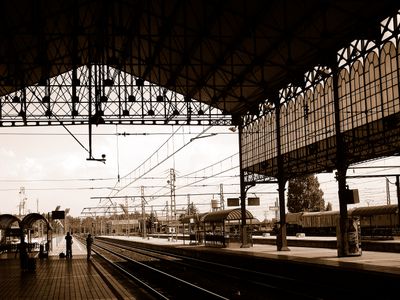
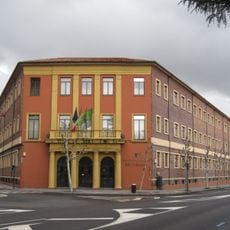
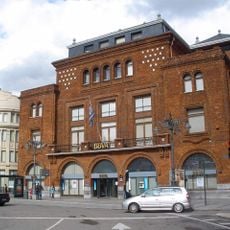
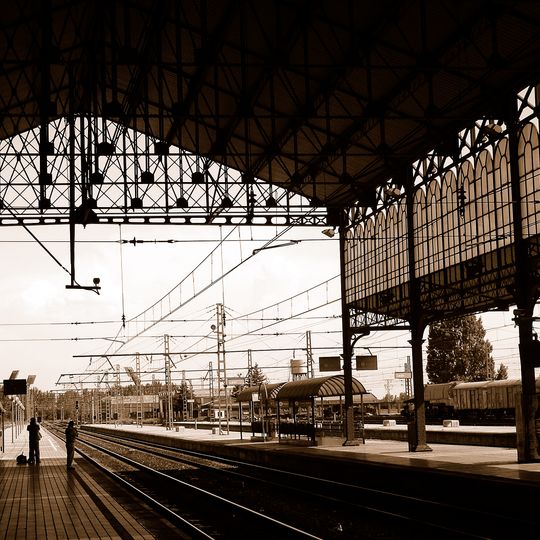
The Estación de León-Norte is a historic railway station in León designed by engineer Eduardo Saavedra y Moragas, following the model used by the Norte company with elements of Viennese Secessionism. It opened in 1863, and in 1870 a metal canopy with glazed screens was added to cover the platforms. The station closed in 2011 for renovation and is set to reopen with underground platforms.
The first train arrived in León in August 1863 via a temporary station built by the river, with the official opening occurring in November of that year. Designed by engineer Eduardo Saavedra, the station connected León to Palencia and other regions, fundamentally transforming local commerce and mobility.
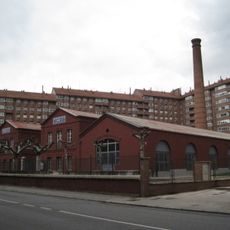
The station's name comes from the Compañía de los Caminos de Hierro del Norte de España, the company that absorbed the Asturias, Galicia and León line in 1885. Around the complex grew a railway colony in the San Francisco district, housing the many workers employed in the workshops and yards.
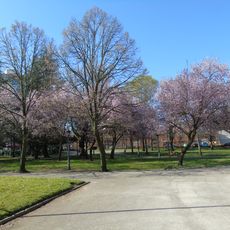
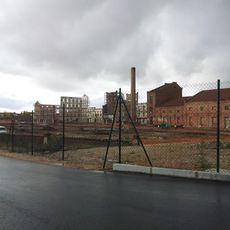
The station sits near the city center on Astorga Street and is easily accessible on foot, especially from the newer station across a four-lane road. The grounds are quiet and open, making it comfortable to explore the platforms, tracks, and structures without the bustle of active rail traffic.
The station's 1870 metal canopy originally measured 60 metres; during RENFE's 1980s rehabilitation it was removed for corrosion and later reinstalled lengthened to 90 metres. The complex also included a large railway cooperative store (economato) serving workers of the San Francisco railway colony.
The community of curious travelers
AroundUs brings together thousands of curated places, local tips, and hidden gems, enriched daily by 94,016 contributors worldwide.