Pico Sacro, Mountain summit in Boqueixón, Spain
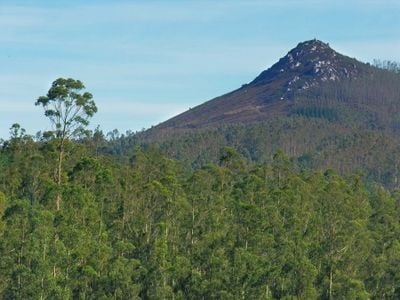
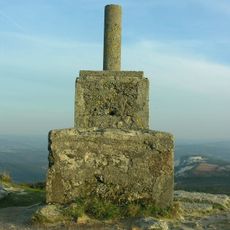
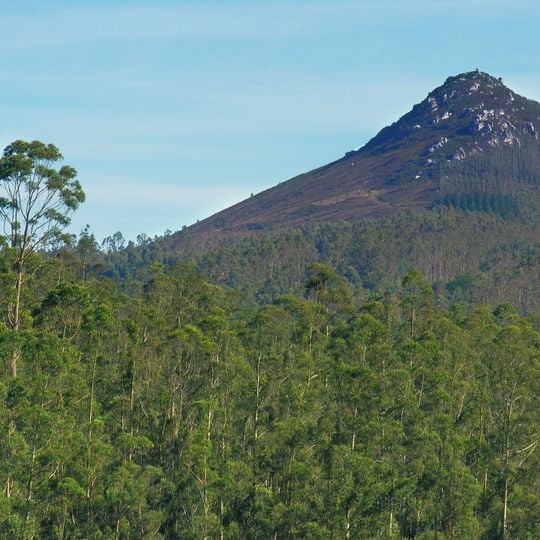
Pico Sacro is a summit in the municipality of Boqueixón, in Galicia, made almost entirely of white quartz that sets it apart from the green hills around it. The rock gives the peak a pale, almost luminous look that makes it stand out from a distance.
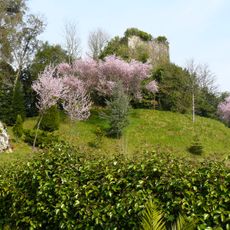
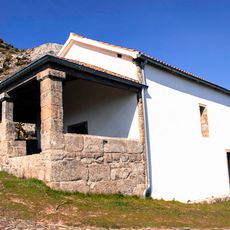
The hermitage of San Sebastián below the summit was founded in 914 as a Benedictine monastery by Bishop Sisnando I of Iria, as recorded in a diploma he signed that year. The monastic community declined and disappeared during the 12th century, and Archbishop Fonseca used its buildings to erect a small fortress on the summit in 1473.
The name Pico Sacro comes from the Latin Mons Sacer, "sacred mount", which the Codex Calixtinus says replaced the earlier Illicinus after the disciples of Saint James blessed the peak. In Galician folklore, the mountain itself was invoked against ergotism, the "fire of Saint Anthony": sufferers left a loaf of bread on the summit and prayed "Pico Sagro, Pico Sagro, sáname do mal que eu trago". The Vía de la Plata pilgrim route skirts the mountain's flank.
A marked trail from the village of Outeiro leads to the top and is easy to follow even without experience. There are no water sources along the way, so it is worth carrying enough water and checking the weather before setting out.
Beneath the summit there is a deep narrow trench called Rúa da Raíña Lupa, and nobody has yet agreed on how it formed. Some researchers think it came from Roman mining work, while others believe it is a natural crack in the quartz.
The community of curious travelers
AroundUs brings together thousands of curated places, local tips, and hidden gems, enriched daily by 94,055 contributors worldwide.