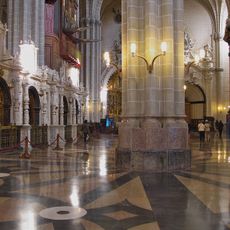
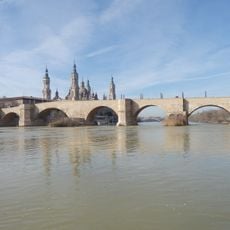
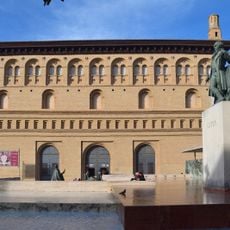
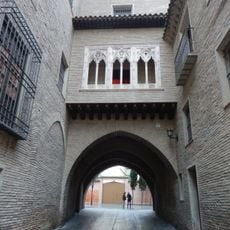
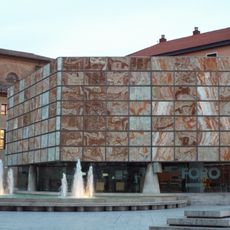
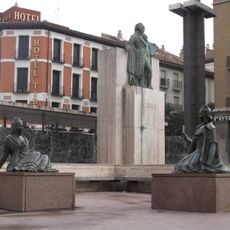
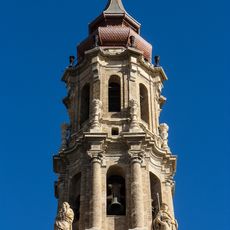
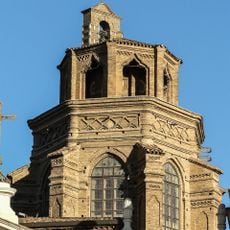
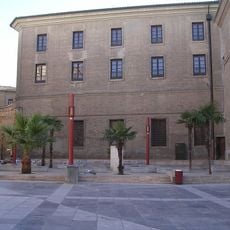
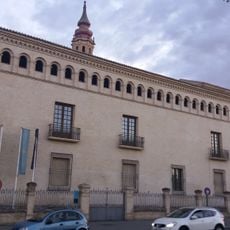
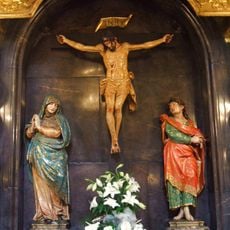
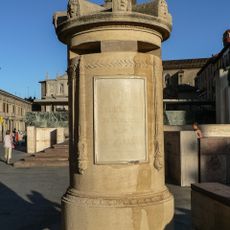
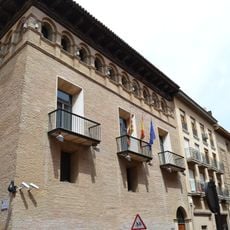
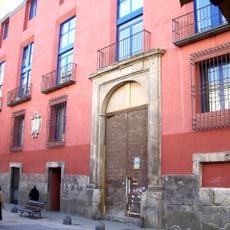
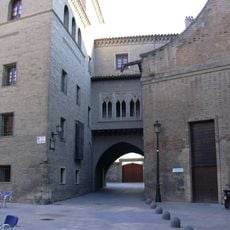
Alma Mater Museum, Diocesan museum in Archbishop's Palace, Zaragoza, Spain.
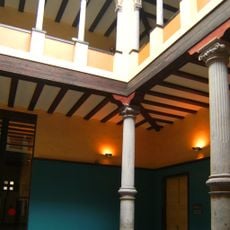
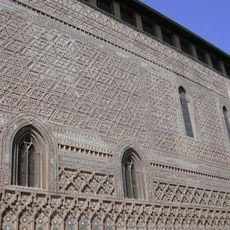
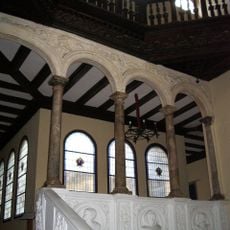
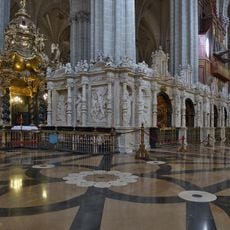
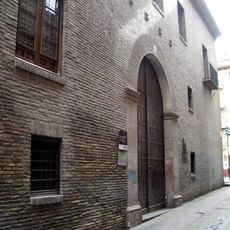
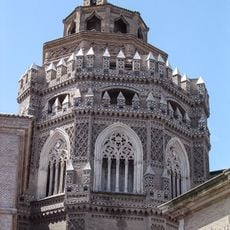
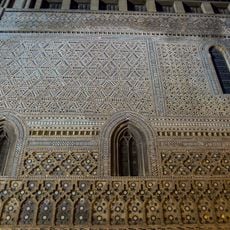
The Alma Mater Museum occupies the oldest part of Zaragoza's Archbishop's Palace, entered through a 12th-century Romanesque tower that now holds the reception. Its three floors pass through a 15th-century Gothic hall, a 16th-century Renaissance chapel and the 14th-century Mudejar palace rooms, with more than 6,000 square metres opened in 2011.
The museum occupies the ancient Houses of the Bishop, where kings of Aragon, saints, popes, and bishops lived throughout the centuries. This long history of distinguished residents made the site an important religious and political center for the region.
The Gothic Aula of the 15th century projects a documentary on its walls and ceiling about Mary of Nazareth's arrival on the banks of the Ebro on the night of 2 January 40, based on a 17th-century engraving. In the 16th-century Renaissance chapel, a video narrated by the building itself recounts episodes of Zaragoza's history; it won the Golden Dolphin at the Cannes Corporate Media & TV Awards in October 2016.
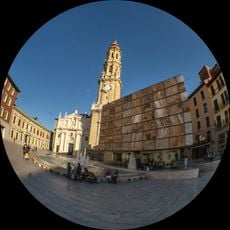
The museum entrance is in the 12th-century Romanesque tower on Plaza de La Seo, 5, and the visit then climbs through the palace to the third floor, ending with the imperial staircase of the 18th-century neoclassical building. It opens Tuesday to Saturday from 10:00 to 20:00 and Sundays and holidays from 10:00 to 14:00, and is closed on Mondays.
The throne room's archbishop portrait gallery includes works by Goya and by Sor Isabel Guerra, a cloistered Cistercian nun and painter. The room is presided over by the seat used by John Paul II during his visit to Zaragoza. The palace's 18th-century imperial staircase was built to provide work during a severe crisis.
The community of curious travelers
AroundUs brings together thousands of curated places, local tips, and hidden gems, enriched daily by 93,432 contributors worldwide.