Museo Darder, Natural history museum in Banyoles, Spain
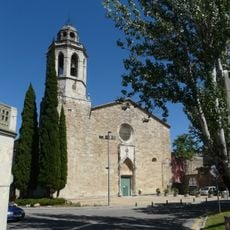
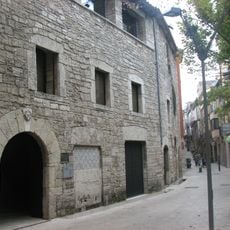
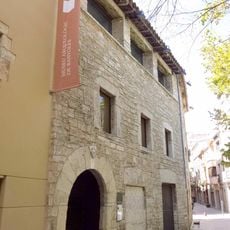
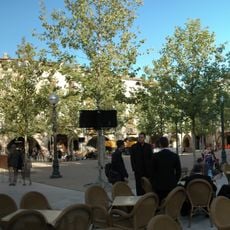
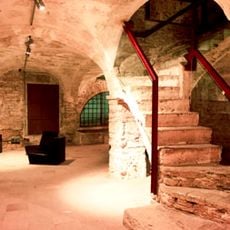
Museo Darder occupies a rectangular late-19th-century building at Plaça dels Estudis, 2, in Banyoles. Its ground floor opened in 1916; today the basement holds the Espai Darder with taxidermy and the anatomical man, the first floor explains the lake basin, and upper floors house offices and a documentation centre.
The museum was established in 1916, growing from a Barcelona veterinarian named Francesc Darder and his personal collection. Over more than a century, the institution evolved into an important center for preserving and studying natural objects from the region.
The museum's name comes from Francesc Darder i Llimona, the Barcelona veterinarian and taxidermist who donated his natural history collections to Banyoles. His shop near the 1888 Universal Exposition was already known as Museo Darder. The Festa del Peix, first held in 1910, grew from his fish-acclimatisation studies at Lake Banyoles.
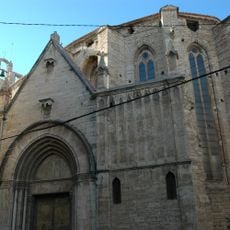
The museum occupies a late-19th-century building at Plaça dels Estudis, 2, arranged over several floors: Espai Darder and reserve rooms in the basement, reception and temporary exhibitions on the ground floor, the lake interpretation space on the first floor, and the documentation centre on the second and third. The building retains a rear gallery with three semicircular arches and a side facade reading "Ministerio de Educación y Ciencia. Centro de formación profesional".
The four stuffed lions and four skulls in the Espai Darder come from Francesc Darder's own collection; as director of the Barcelona Zoo he was photographed sitting calmly inside a cage with lions. The taxidermy is not especially successful, yet the lions have always been the museum's emblematic specimens.
The community of curious travelers
AroundUs brings together thousands of curated places, local tips, and hidden gems, enriched daily by 94,302 contributors worldwide.