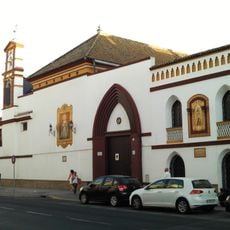
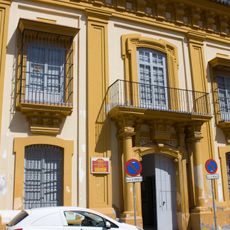
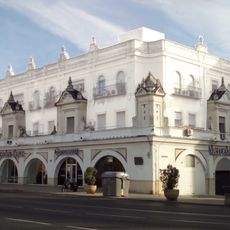
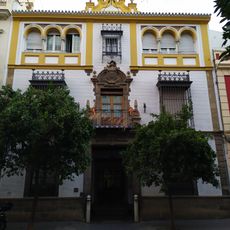
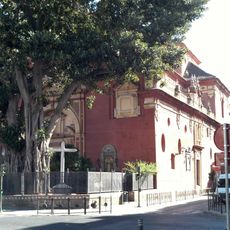
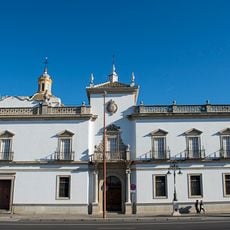
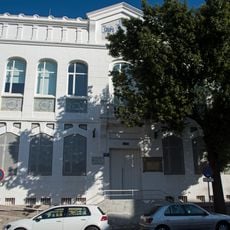
Centro Cerámica Triana, Ceramic heritage museum in Triana neighborhood, Seville, Spain.
Centro Cerámica Triana is a museum in Seville dedicated to ceramic production and its artisanal heritage. The venue displays original production equipment such as kilns, clay deposits, and tools that offer insight into the daily work of the former factory.
The museum occupies the former Santa Ana ceramic factory, founded in 1870 by the clay industrialist Antonio Gómez, who bought potteries from García-Montalván in Triana. The business passed to his widow, then to Manuel Corbato in 1906, to Manuel Montero Asquith in 1920, and from 1939 to the Rodríguez Díaz brothers, who named it Santa Ana after Triana's patron saint. Its seven kilns remained active until the late 20th century.
The museum displays ceramics created for major public spaces in the city and gathers works from different collections. Visitors can see how these pieces reflected local artistic traditions and the role that ceramics played in the city's cultural identity.
The museum occupies the former Cerámica Santa Ana complex, where the kilns, warehouses and pigment wells were kept in their original positions. The visit follows the routes linking the different trades once practised on site, so allow time to walk the whole circuit. The building was remodelled by a team of five architects and opened on 29 July 2014.
The museum preserves intact kilns from the 19th and 20th centuries that show how hot and intense the production process was. These original kilns are rare examples of industrial equipment that has survived in its original form.
The community of curious travelers
AroundUs brings together thousands of curated places, local tips, and hidden gems, enriched daily by 94,043 contributors worldwide.