Capilla de la Virgen del Carmen, Catholic chapel in Triana district, Seville, Spain.
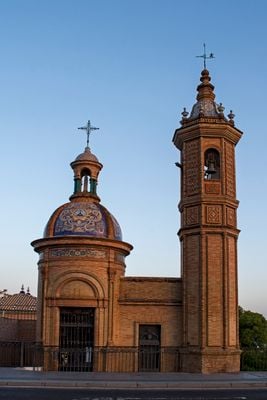
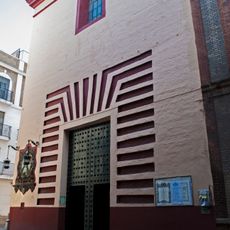
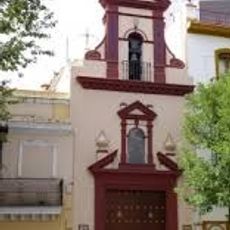
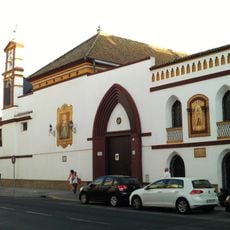
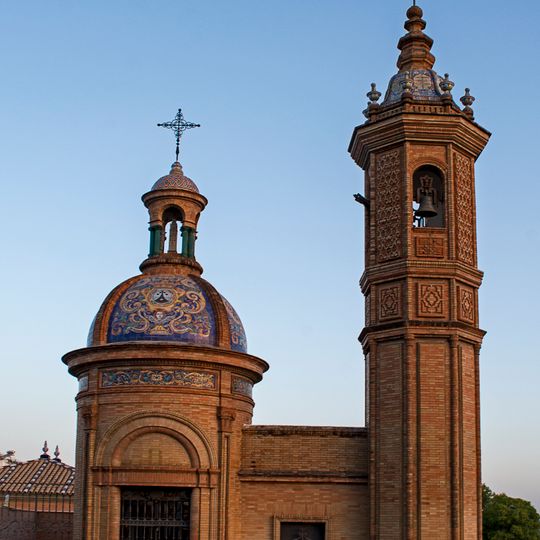
Capilla de la Virgen del Carmen is a chapel in the Triana neighborhood of Seville, built in a regionalist style with a low circular body crowned by a ceramic-tiled dome and connected to a tall bell tower through a rectangular passage. The facade displays ornate ceramic work, and inside there are sculptures of Saints Justa and Rufina alongside the image of the Virgin.
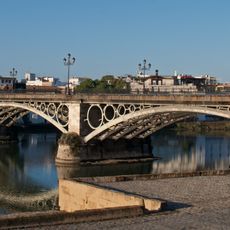
The chapel was built between 1924 and 1928 by architect Aníbal González after an older chapel on the same site was demolished to make way for a bridge entrance expansion. The new building adopted the regionalist style that González had helped develop in Seville during that period.
The chapel is closely tied to the sailors and fishermen of Triana, who have long regarded the Virgin del Carmen as their patroness. On feast days, the area around the chapel fills with local residents who gather for processions along the riverbank.
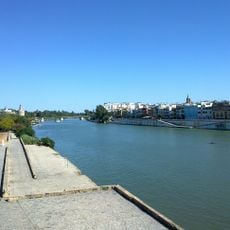
The chapel stands in Triana on the west bank of the Guadalquivir and is easy to reach on foot from the center of Seville by crossing one of the nearby bridges. Visiting in the morning gives you a clearer view of the ceramic facade before the streets become busy.
Although Aníbal González is best known for designing the Plaza de España, this chapel shows his regionalist style applied to a much smaller religious building. The circular plan of the main body is rare among Seville's chapels and gives the building a form that stands apart from most others in the city.
The community of curious travelers
AroundUs brings together thousands of curated places, local tips, and hidden gems, enriched daily by 91,661 contributors worldwide.