Goya Museum - Ibercaja Collection - Camón Aznar Museum, Art museum in central Zaragoza, Spain
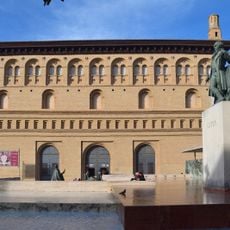
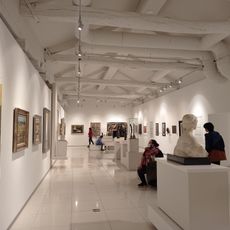
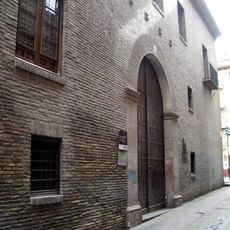
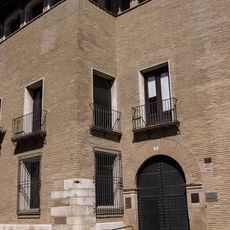
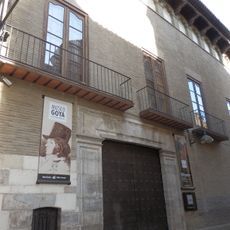
The Goya Museum, also known as the Camón Aznar Museum, is an art museum in Zaragoza, Spain, housed in a 16th-century Renaissance palace. Spread across three floors, it holds over 800 works including paintings, prints, drawings, sculptures, and ceramics by Spanish artists from different centuries.
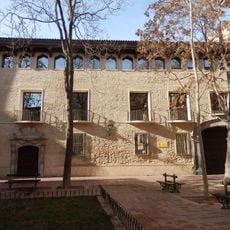
The palace was built in 1535 by the Moorish architect Juan de Lanuza and was the residence of Jerónimo Cosida and Violante de Albión. In 1808, during the War of Independence, it served as the headquarters of the Captaincy General. Ibercaja bought the building in 1976 and opened the museum in 1979; it was renamed on 26 February 2015.
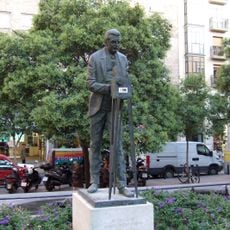
The museum's name honours José Camón Aznar, the Zaragoza professor, critic and collector whose legacy formed the core of the holdings; the temporary exhibition rooms and a tribute on the third floor carry his name. Since the February 2015 reopening it has been called Museo Goya, a change that stirred some controversy in the city. The collection spans the 15th to the 20th century.
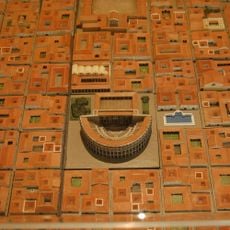
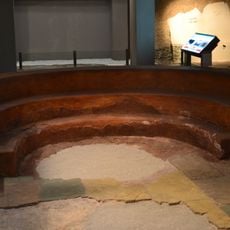
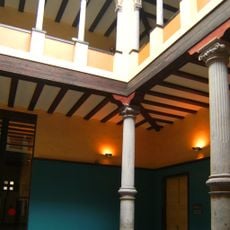
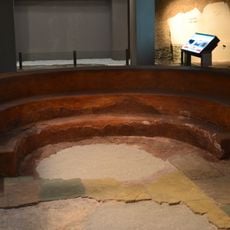
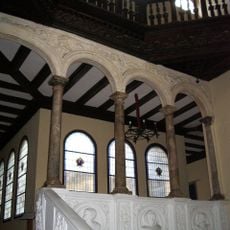
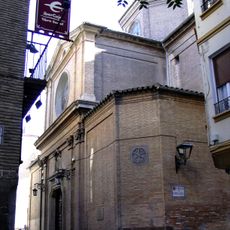
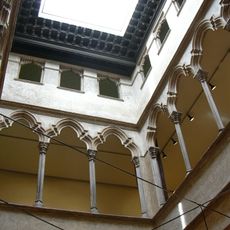
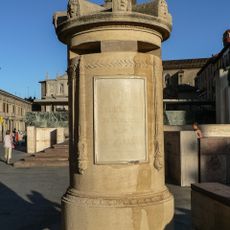
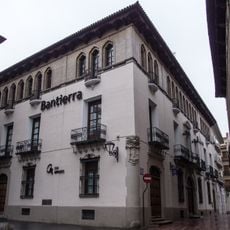
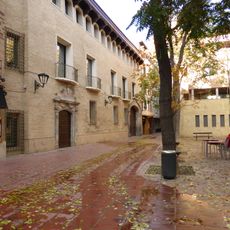
The museum occupies the Pardo family's 1535 Renaissance palace at Calle de Santiago 28, in Zaragoza's historic centre. Its three floors cover 3,800 m², with the reception set in the central courtyard beneath large marble columns. A new central skylight was installed in the 2007–2008 renovation, and Roman monumental remains are kept in the basement.
The museum holds first editions of Goya's most celebrated print series, which are rarely on public display outside specialist archives. Alongside these, the collection features paintings by nearly forgotten Aragonese painters from the 15th and 16th centuries, whose work is almost never shown elsewhere.
The community of curious travelers
AroundUs brings together thousands of curated places, local tips, and hidden gems, enriched daily by 93,464 contributors worldwide.