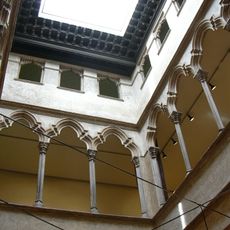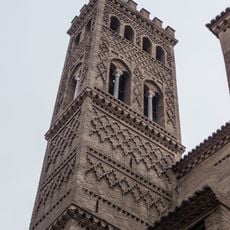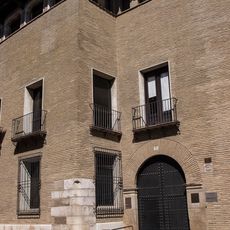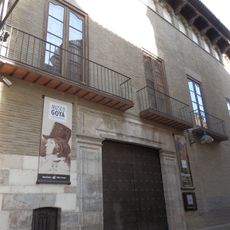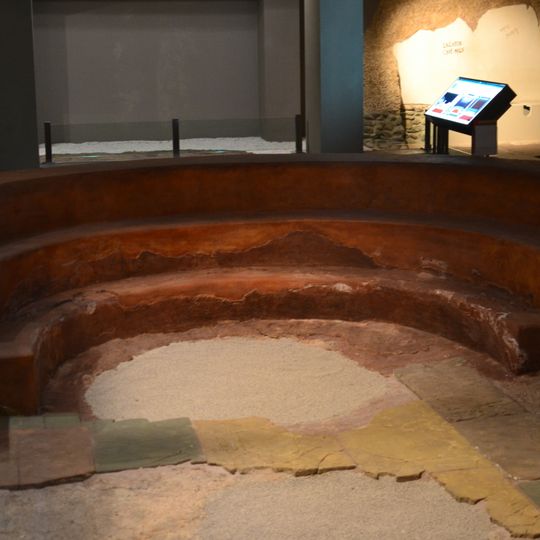
Roman thermae of Caesaraugusta, Roman public baths in central Zaragoza, Spain.
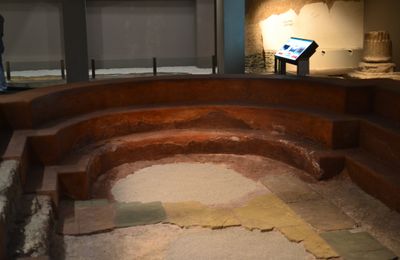
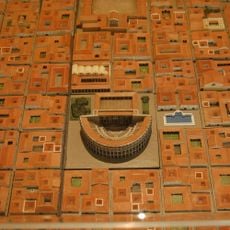
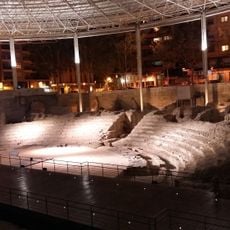
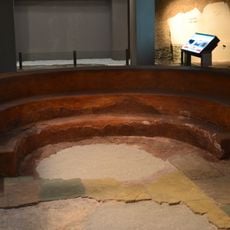
The Roman thermae of Caesaraugusta are the preserved remains of an ancient bathing complex located beneath Plaza de la Seo, displaying stone structures, water conduits, and drainage systems from the imperial period. The site reveals the underground chambers, different bathing zones, and the sophisticated engineering that supported daily life in this Roman settlement.
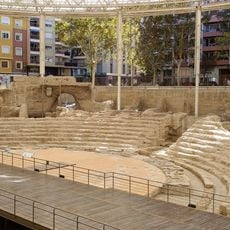
The bathing complex was constructed during the reign of Emperor Tiberius in the first century AD as the Roman settlement of Caesaraugusta expanded and grew in importance. Over time, the structure fell out of use and became buried beneath the city until modern excavations brought it back to light.
These baths served as the true social center of Roman life, where people from different walks of society mingled, exercised, and spent their leisure time together. The layout reveals how Romans organized their daily routines and valued public gathering spaces as essential to community life.
The archaeological site is easily accessible with informational panels and multimedia exhibits that help you understand how the complex operated and what life was like in Roman times. You can explore the underground spaces directly and see how the ancient engineering system worked on the ground level.
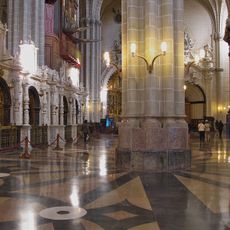
Beneath the marble floors lies a remarkable heating system called hypocaust, which circulated warm air through hollow spaces underneath the bathing areas in a way that predated similar technology by centuries. This ingenious design allowed different bathing rooms to maintain their own specific temperatures.
The community of curious travelers
AroundUs brings together thousands of curated places, local tips, and hidden gems, enriched daily by 60,000 contributors worldwide.