Monastery of San Xusto de Toxosoutos, Medieval monastery in Lousame, Spain.
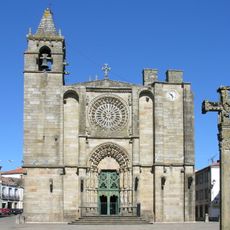
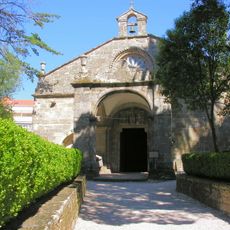
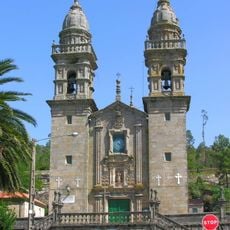
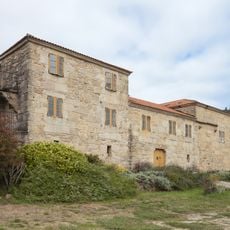
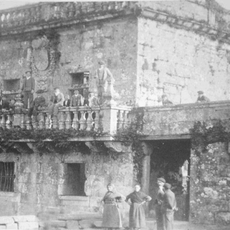
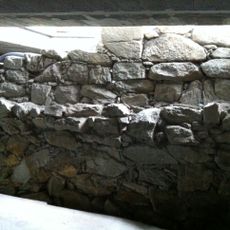
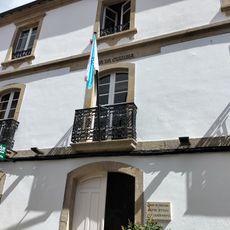
The Monastery of San Xusto de Toxosoutos stands abandoned in the place of San Xusto, in Lousame. Its Romanesque cloister from the 13th century was sold in 1921 and moved to the Pazo da Pena do Ouro near Noia. The parish church, with an attached tower, is built of stone and shows elements from different periods.
The monastery was founded on 1 November 1129, after the hermitage of San Xusto was donated to Froila Alonso and Pedro Muniz de Carnota by the Monastery of Saint Pelagius of Antealtares on 16 October 1127. Archbishop Xelmírez consecrated it in 1135. Afonso VII exempted it from tributes to Compostela, and it held 47 churches and 17 municipalities, with 22 abbots between 1135 and 1498. In 1475 Bishop Diego de Muros ordered its union with Sobrado Abbey, incorporated in 1504 under the Cistercian order.
The monastery's name links the martyrs Justus and Pastor, to whom the original hermitage was dedicated before 1127. Its scriptorium produced the 12th-century Tombo de Toxosoutos, a cartulary prized for its miniatures. The Romanesque cloister from the 13th century was sold in 1921 and rebuilt at the Pazo da Pena do Ouro near Noia.
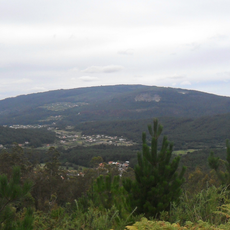
The site sits at about 350 meters in elevation and is accessible via the C.543 road near Noia. Visitors should bring sturdy footwear as the surrounding terrain is hilly and suitable for exploring the grounds and river areas.
The San Xusto River creates natural waterfalls near the monastery, including one about 6 meters high. These cascading falls are easily visible from the monastery grounds and offer a striking view of the landscape.
The community of curious travelers
AroundUs brings together thousands of curated places, local tips, and hidden gems, enriched daily by 94,831 contributors worldwide.