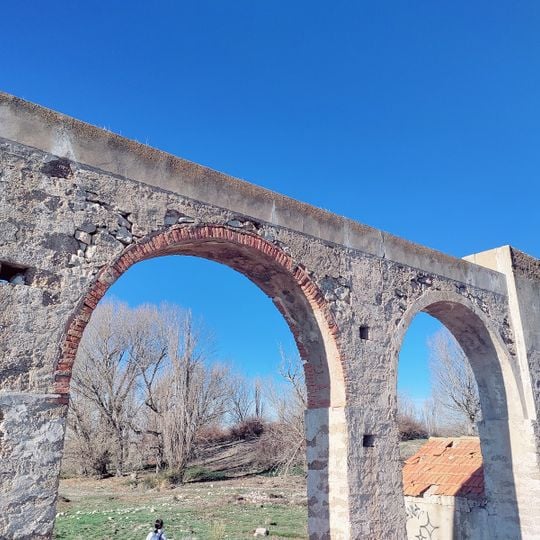
El Acequión, Archaeological site in Albacete, Spain.
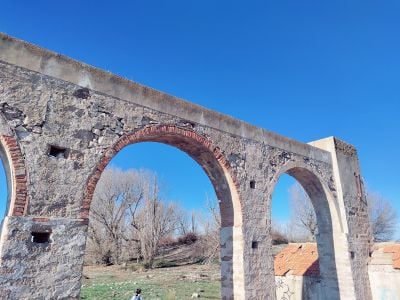
El Acequión is an archaeological site in Albacete that displays ruins from settlements spanning several periods, including remains of dwellings, workshops, and storage areas. These findings come mainly from the Bronze Age and show how people lived in this region thousands of years ago.
El Acequión holds a Bronze Age settlement dated between 1900 and 1500 BC, defended by a large stone fortification enclosing huts built on stone footings and others of plant material and adobe. Its economy rested on livestock herding and farming. Finds from the site are displayed in the Museo Arqueológico Nacional in Madrid and the Museo Arqueológico de Albacete, and excavations are directed by Dr. Luis Benítez de Lugo Enrich of the Universidad Complutense de Madrid.
The site is known locally as the laguna del Acequión because it holds a dried-out lagoon. Finds from the Bronze Age settlement, dated between 1900 and 1500 BC, are displayed in the Museo Arqueológico Nacional in Madrid and the Museo Arqueológico de Albacete. The Albacete city council runs a website on the site, and Dr. Luis Benítez de Lugo Enrich of the Universidad Complutense de Madrid directs the fieldwork.
The site is a research area managed by local academic institutions that organize visits. Visitors should inquire in advance, as access and availability may vary depending on ongoing excavation work.
The site went largely unknown for a long time and has only been intensively studied and documented in recent decades. This growing scientific interest has helped clarify the Bronze Age history of this region that was previously overlooked.
The community of curious travelers
AroundUs brings together thousands of curated places, local tips, and hidden gems, enriched daily by 95,213 contributors worldwide.