Villa March, Historical villa in Cala Ratjada, Spain
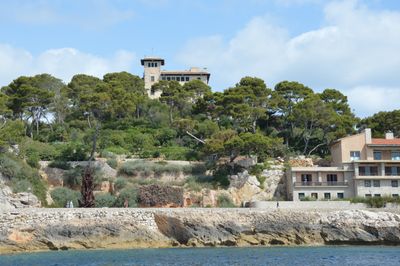
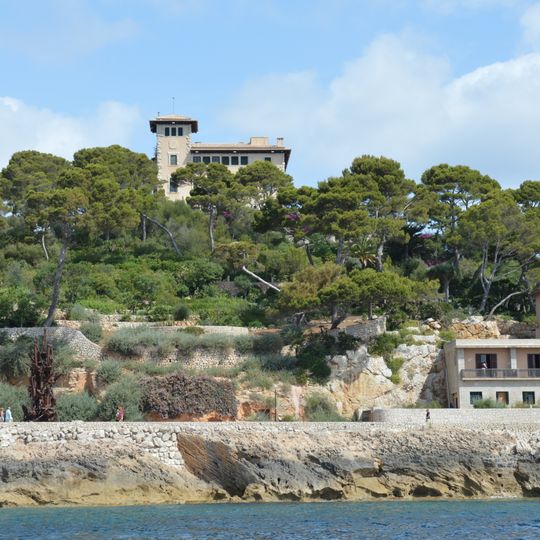
Villa March, also called Palau Sa Torre Cega, stands on a hill east of Cala Ratjada between the port and Cala Gat. The square-plan house has three storeys and a side tower, arranged around a central courtyard, with a large planted terrace outside and a broad staircase leading up to it. The estate covers 60,000 m².
Juan and Eleonora March Severa bought the plot with its 16th-century tower, Sa Torre Cega, in 1915. The following year the Mallorcan architect Guillem Reynés i Font was commissioned to extend the estate, and Juan March gave the villa to his wife Elionor Servera Mellis. Guillem Forteza Piña remodelled it in 1930, and in the 1960s and 70s Bartolomé March Servera modernised the interiors and laid out the sculpture gardens.
The house shows traditional Mallorcan building features with local stone and handcrafted details that reflect island construction methods. Visitors can see these elements directly in the facades and structures that represent local heritage.
The property sits on the northeastern edge of Mallorca and is accessible via the coastal road through Cala Ratjada, with nearby parking available. Visitors should note that daytime hours offer the best experience, and the area provides easy access with level pathways.
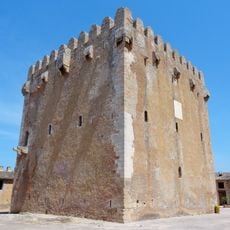
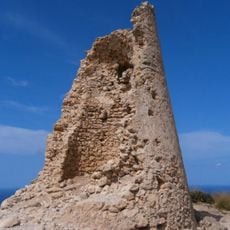
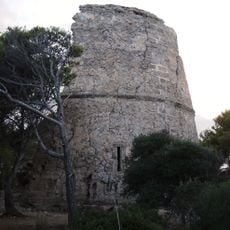
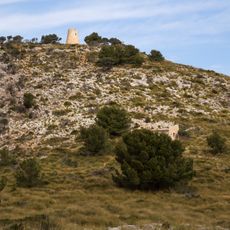
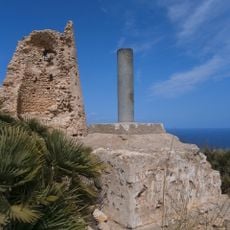
The tower on the estate, Sa Torre Cega ("Blind Tower"), is named for its role: it guarded Cala Ratjada alone and could not signal to Mallorca's island-wide chain of watchtowers against pirate raids, remaining blind to them. The German writer Karl Otten, living in Cala Rajada from 1933 to 1936, called the villa "the castle of el Gordo" in his short stories.
The community of curious travelers
AroundUs brings together thousands of curated places, local tips, and hidden gems, enriched daily by 94,114 contributors worldwide.