Palace of Superunda, Renaissance palace in Ávila, Spain
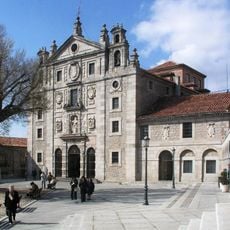
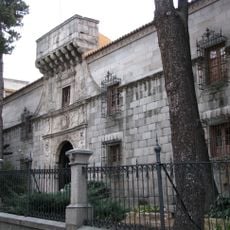
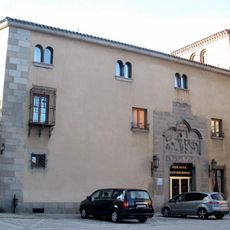
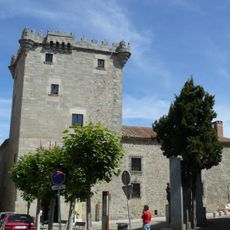
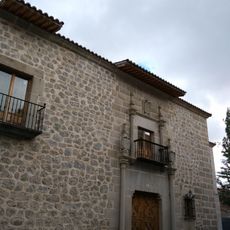
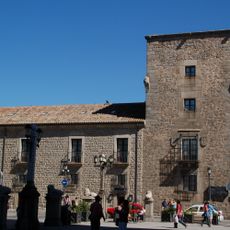
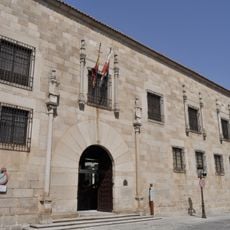
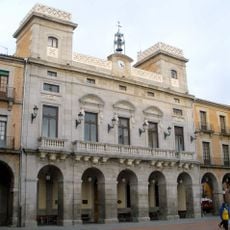
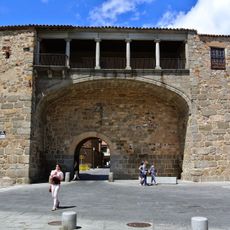
The Palace of Superunda is a Renaissance building in Ávila distinguished by elaborate granite stonework and two flanking towers. The facade features three balcony-like structures on the upper level adorned with coats of arms that accent the entrance.
Built in the 16th century in an Italian style, the palace had its facade works carried out in 1595 by the stonemason Juan Vela. Its first resident was Ochoa de Aguirre, but it takes its name from the Count of Superunda and Marquis of Bermudo, who was able to inherit it in the 19th century. It was declared a bien de interés cultural, as a monument, on 23 December 1992.
The palace is named after the Count of Superunda and Marquis of Bermudo, who inherited it in the 19th century, although its first resident was Ochoa de Aguirre. Since 1916 it has housed the Caprotti Collection, with paintings by the Italian artist Guido Caprotti depicting daily life in Ávila, sculptures by his son Óscar, a portrait by Sorolla and works by López Mezquita. Part of the museum preserves the painter's living quarters.
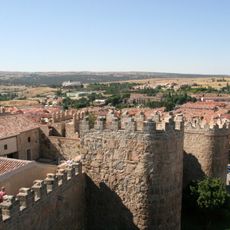
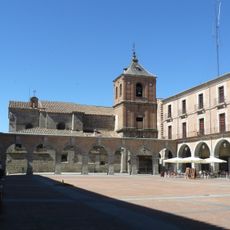
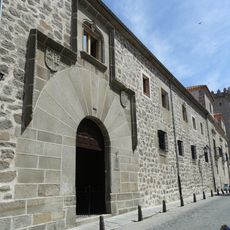
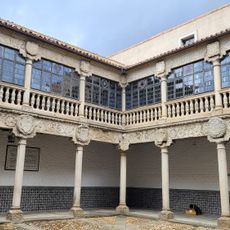
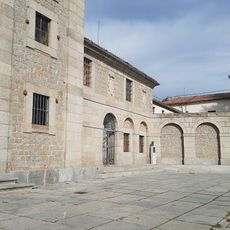
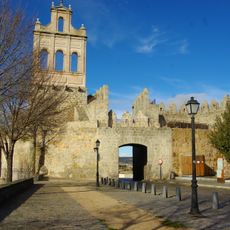
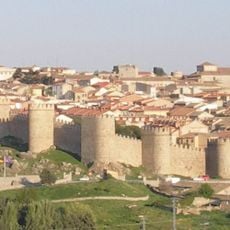
The palace stands inside Ávila's walled enclosure, near the Puertas del Matadero and del Rastro gates, among other historic buildings. Visitors enter through a wide entrance hall whose doors are set off-centre, leading to the square central courtyard with two closed wings and two open arcades on Doric columns; the cloister staircase starts from this courtyard.
The palace owes its name not to its first resident, Ochoa de Aguirre, but to the Count of Superunda and Marquis of Bermudo, who inherited it in the 19th century. The Italian painter Guido Caprotti bought the building in 1916 and lived there for many years.
The community of curious travelers
AroundUs brings together thousands of curated places, local tips, and hidden gems, enriched daily by 94,640 contributors worldwide.