Palacio de los Águila, Renaissance palace in Ávila, Spain.
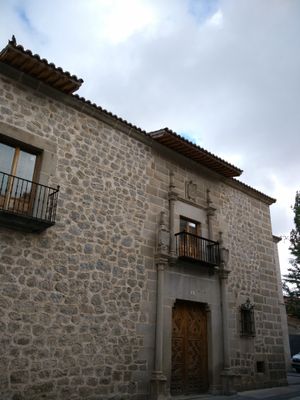
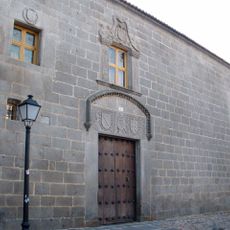
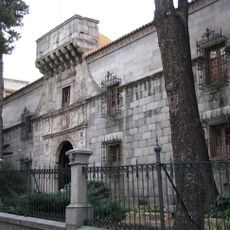
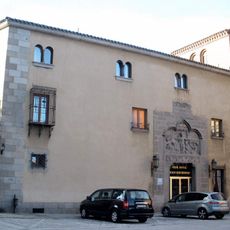
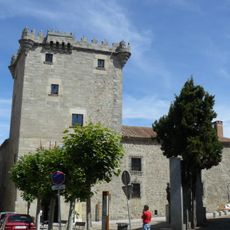
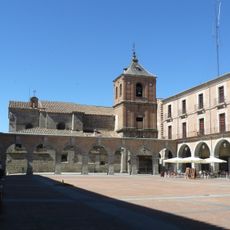
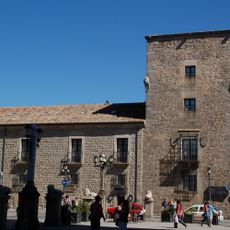
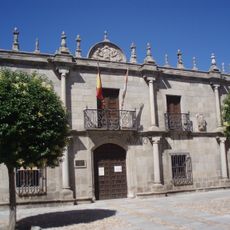
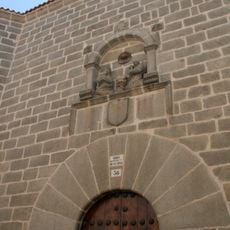
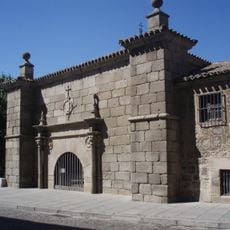
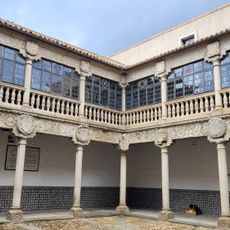
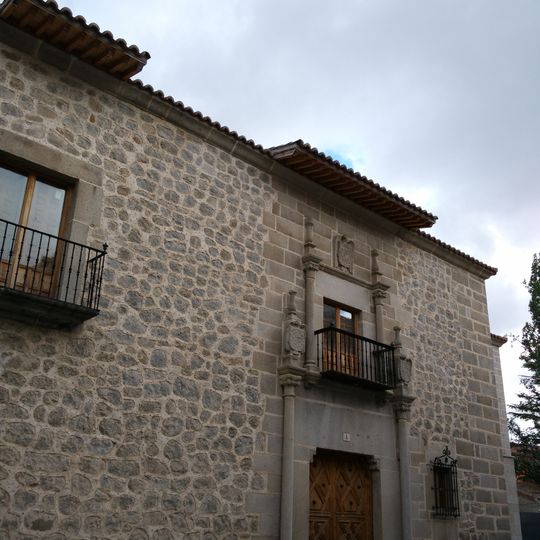
The Palacio de los Águila is a Renaissance palace in Ávila built with granite masonry and featuring a linear entrance framed by corbels supporting the doorway. The facade displays slender columns and other architectural details typical of high-status residences from this period.
Miguel del Águila commissioned this palace during the 16th century, incorporating architectural elements typical of Spanish noble residences from that era. The building was constructed during a period when Ávila was an important center for aristocratic architecture.
The palace appears in Argentine writer Enrique Larreta's novel 'La Gloria de Don Ramiro', where it serves as a setting that connects local architecture to Spanish literary traditions. This literary presence shows how the building has influenced cultural imagination beyond its walls.
The building is currently undergoing renovation and transformation into a cultural center, so access may be limited. Visitors should check current opening schedules and what exhibitions or activities are available before planning a visit.
Above the main entrance, the palace features a balcony decorated with candlestick-like relief carvings, showing the refined craftsmanship of Spanish Renaissance builders. These ornamental details often escape visitors' notice despite being remarkable examples of the period's decorative skill.
The community of curious travelers
AroundUs brings together thousands of curated places, local tips, and hidden gems, enriched daily by 91,439 contributors worldwide.