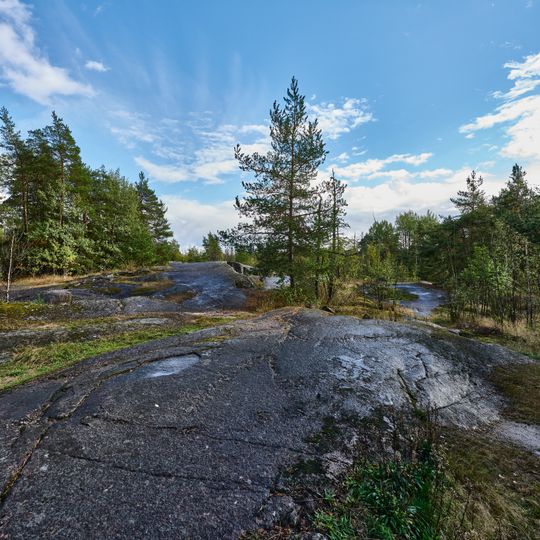
Central Park, Urban forest park in Helsinki, Finland
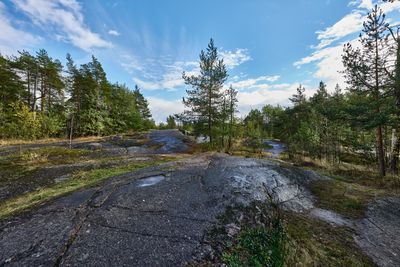
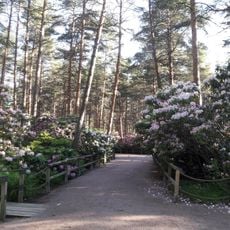
Helsinki's Central Park is an urban forest park that stretches from Töölönlahti bay across ten kilometers to the city's northern edge, covering about 1,000 hectares (2,500 acres) of land. The landscape includes dense forests, open meadows, water bodies, and several distinct zones with different plant communities and terrain.
The park began in 1911 with architect Bertel Jung's design and was officially established in 1914, then expanded to the Vantaa River in 1934. This growth transformed it into one of the largest forest preservation areas within the greater Helsinki region.
The park contains five nature reserves, including Haltiala primeval forest and Niskala arboretum, where visitors can see the diverse plant and animal life typical of Finland's southern coastal forests. Walking through these protected areas shows how the region's natural heritage has been preserved for people to explore.
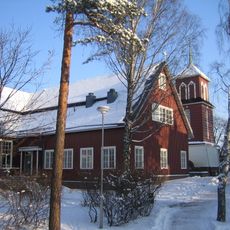
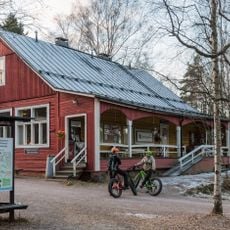
The park offers more than 100 kilometers of trails for year-round activities, with many paths converting to cross-country skiing tracks during winter. Visitors should bring appropriate gear depending on the season and remember that the large size means planning ahead helps find interesting areas quickly.
The northern section blends working farmland with untouched primeval forests, hosting wildlife such as badgers, foxes, mountain hares, and stoats. This combination of human agricultural use and wild nature within a city park is quite uncommon.
The community of curious travelers
AroundUs brings together thousands of curated places, local tips, and hidden gems, enriched daily by 92,742 contributors worldwide.