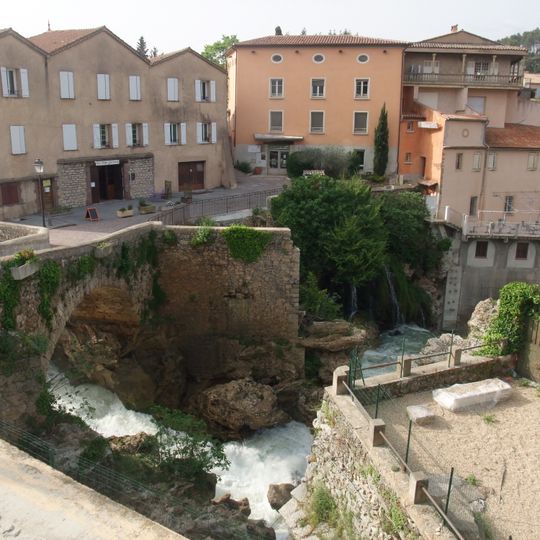
Trans-en-Provence, commune in Var, France
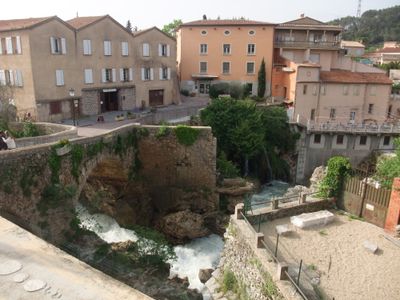
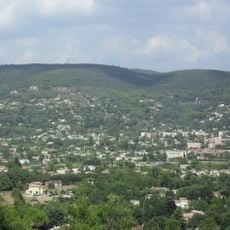
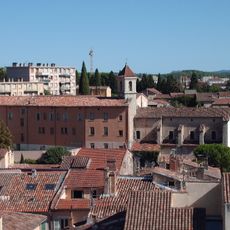
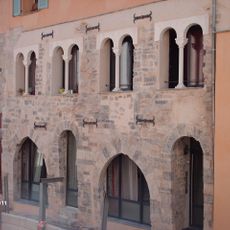
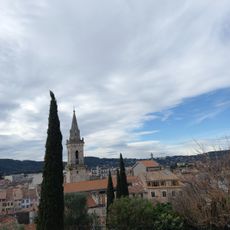
Trans-en-Provence is a small village in the Var region of southern France, known for its stone buildings and narrow streets that wind through the hilly landscape. The center is shaped by the Nartuby river, which forms small waterfalls and cascades and can be crossed by several traditional bridges.
The village was originally founded on a hill called Saint-Victor and was formerly known as Infré before residents relocated after crossing the Nartuby river. For centuries, olive groves and silk production were economically significant, and at one time twenty-one mills operated along the river, bringing great wealth to the area.
The name Trans-en-Provence comes from Latin meaning 'beyond', as residents built their homes on a new site after crossing the Nartuby river. The village still maintains this connection to water today, and you can see how daily life is organized around the river and small bridges that run through the center.
The village is easily accessible by car via the D54 road from nearby towns and has parking areas where you can start exploring on foot. Walking trails like the Calant loop and the botanical trail are well accessible and suitable for visitors of all ages.
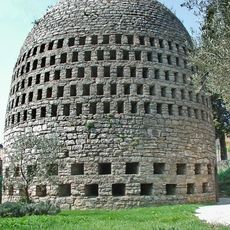
The Puits Aérien, or Air Well from 1931, was one of the first experiments to collect water directly from the air through condensation, though it worked only briefly in this region due to small overnight temperature shifts. The visible remains of this machine show the experimental spirit of the past and remain an interesting testimony to past technical efforts.
The community of curious travelers
AroundUs brings together thousands of curated places, local tips, and hidden gems, enriched daily by 60,000 contributors worldwide.